Smart home interior design solutions: Create experience and technology at home
Share
More than 60 percent of Finns want their homes to be smarter and more functional, but starting to plan is often a daunting task. Successful implementation of a smart home requires more than just technology, as every space in the home affects everyday well-being and comfort. In this article, you will learn how to create a clear and functional plan that seamlessly combines technology, aesthetics, and security into your everyday life.
Table of contents
- Step 1: Define the purpose and needs of the space
- Step 2: choose smart interior design materials and tools
- Step 3: Plan lighting and visual contrast
- Step 4: Install and integrate smart systems securely
- Step 5: Test and fine-tune combined solutions
Summary
| Key message | Explanation |
|---|---|
| 1. Define the purpose of the space | Understand the functionality and needs of the space so you can design a smart home that's just right for you. |
| 2. Choose sustainable interior materials | Invest in ecological and sustainable materials that improve well-being and integrate with smart technology. |
| 3. Plan versatile lighting | Create a layered lighting plan that supports your mood and well-being with smart lighting. |
| 4. Integrate intelligent systems securely | Ensure device compatibility and data security, start small and expand gradually. |
| 5. Test and fine-tune solutions | Test your smart home's functions in detail and make necessary improvements to improve the user experience. |
Step 1: Define the purpose and needs of the space
Smart home design begins with a deep understanding of the purpose of the space. A smart home is not just a technological marvel, but a personal space that adapts to your lifestyle and needs. Defining the purpose of the space helps create a personalized home that improves the quality of life .
Start by mapping out your current needs and anticipating future requirements. Think about the functionality of each space in detail. For example, in the living room, you may need a remote work space, entertainment electronics integration, and modern lighting solutions. In the kitchen, smart home furniture and appliance management can make cooking more efficient and improve energy efficiency.
A practical tip is to divide the purpose of the space into clear categories: functionality, aesthetics and comfort. This will help you make accurate choices in the technological solutions and interior design of your smart home. Remember that good design demonstrates the real necessity and functionality of the solutions .
Step 2: Choose smart interior design materials and tools
Choosing smart interior materials is a key part of designing a modern home, where technology and aesthetics meet. The goal is to create a space that not only looks good, but also supports your well-being and makes everyday life easier. Studies show that the right materials can even improve stress management .
Pay attention to the durability, ecology and functionality of the materials. Eco-friendly materials such as bamboo and cork are excellent options because they are rapidly renewable and bring a natural feel to the interior . Choose materials that will last over time, both physically and stylistically, and that can be seamlessly integrated with smart technology.
My practical tip is to divide your material selection into three categories: functionality, aesthetics, and technological compatibility. Think about how each material supports your smart home goals. Don’t just choose based on appearance, but think holistically about how the material will improve your quality of life and make your everyday activities easier.

Step 3: Plan lighting and visual contrast
Smart printing and manufacturing technology opens up new possibilities in lighting and visual contrast design , so go ahead and create a unique experience in your space. Lighting is no longer just a functional element, but a key part of the atmosphere and aesthetics of your home.
Focus on creating a layered lighting scheme that combines different light sources in a harmonious way. Use soft general lighting, spotlights, and mood lighting to create a versatile and transformative lighting. Modern design trends favor bright colors and bold patterns that create a space that is both nostalgic and fresh .

As a practical tip, I recommend paying attention to the color temperatures and adjustability of the light. Get smart lights that allow you to change the colors and brightness according to your mood and activities. Remember that a good lighting plan does not only illuminate the space, but also creates a holistic atmosphere that supports your well-being and improves your everyday user experience.
Step 4: Install and integrate smart systems securely
Installing smart systems requires precision and planning. Automation and software are constantly evolving, offering more and more diverse possibilities for system integration. This means you can create an even smarter and more functional whole in your home.
Pay special attention to data security and compatibility between different devices. Find out in advance the interoperability of systems and ensure that all components communicate with each other seamlessly. Plan the cabling carefully and think about how you can hide the wires stylishly to match the interior.
As a practical tip, I recommend starting small and gradually expanding your smart system. For example, start with smart lighting or a heating system and add other functions later. Also remember to regularly update and maintain your system to keep it up to date and working flawlessly.
Step 5: Test and fine-tune combined solutions
Usage is the most crucial factor that shows the true necessity and functionality of smart home solutions. At this stage, you move from theory to practice, testing the smart home system you have built and fine-tuning its functions.
When designing a smart home, the key is to create a unique whole that truly improves your quality of life and makes everyday tasks easier. Start by testing each part of the system separately. Check the interoperability, responsiveness, and ease of use of smart devices. Pay attention to details such as smooth lighting control, automatic heating control, and the responsiveness of security systems.
As a practical tip, I recommend keeping a diary of your testing period, where you record any improvements you notice. Make changes gradually and give yourself time to get used to the new systems. Remember that a smart home is a constantly evolving entity that needs to adapt to your lifestyle and needs.
Create a Smart Home Experience with Visual Contrast and Smart Lighting
The challenge in designing a smart home is to combine functionality and aesthetics in a way that makes your home engaging and truly adaptable to your everyday life. The article highlights the importance of understanding the purpose of the space and smart lighting. Designing visual contrast and adjusting lighting creates a personal experience in the home. You can add an impressive dimension to this by utilizing lamps – Dekoja.net to support the advanced possibilities of smart lighting.

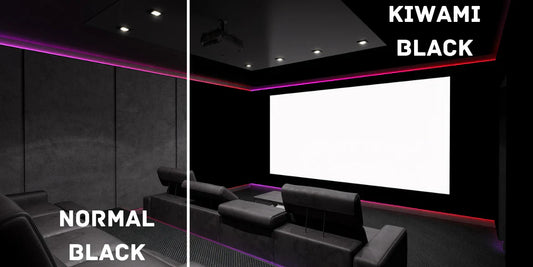
Bring the world-famous Musou Black into your home – the world’s blackest paint, which absorbs up to 99.4% of light and dramatically enhances the contrast of your space. It’s the perfect solution when your environment needs visual depth and a non-reflective surface. In addition, you’ll find Lemus audio and electronics products to complement your smart home with high-quality sound and multi-room systems. Don’t wait any longer and create an impressive and functional smart home today at dekoja.net . Give your home a unique character that combines technology and aesthetics precisely according to your needs.
Frequently asked questions
How do I define the purpose of my space when designing a smart home?
Determining the purpose of your space starts with mapping out your current needs and anticipating future requirements. List what functions each room will need, such as combining remote working and entertainment in the living room.
What are the most important smart interior design materials to choose?
Choose interior materials that are durable, ecological and functional. For example, bamboo and cork are good options that bring a natural feel and are environmentally friendly. Also consider how the materials are compatible with smart technology.
How can I design smart lighting for my home?
Design a layered lighting plan that uses different light sources to create the mood you want. Take advantage of the adjustability of light color temperatures to adapt the lighting to your mood. Start by choosing smart lights that offer varying lighting options.
What are the most important considerations when installing smart systems?
When installing smart systems, it is important to pay attention to information security and device compatibility. Plan the cabling carefully and make sure that all components work together. It is worth starting with small systems, such as smart lighting, and then expand as needed.
How do I test and fine-tune my smart home system?
Test each part of the system separately and observe their interoperability and usability. Record any areas for improvement you notice and make changes in stages. Recommend a time frame where you can evaluate the impact of the changes, for example after 30 days.
Recommendation
- Smart Lighting: Space Mood and Control on a New Level – Dekoja.net
- Transforming Your Living Room into a Cinema with Projection TV System – Wispa Luxury
- Dream Cottage Design Guide: All Steps Explained - Huvila Seppälä