

Benefits of restaurant interior design: 6 key advantages for 2026
Restaurant owners and interior designers constantly face the challenge of selecting interior design solutions that simultaneously enhance customer experience and operational efficiency. Well-designed restaurant interiors offer several measurable benefits, from customer satisfaction to strengthening brand identity. In this article, we present six essential benefits that careful interior design brings to your restaurant. You’ll get practical tips that you can apply to your own projects immediately.
Table of Contents
- Key Learnings
- 1. The Importance of Lighting in Restaurant Interior Design
- 2. The Impact of Acoustics on Customer Comfort
- 3. Biophilic Design: Utilizing Natural Elements in Interior Design
- 4. The Impact of Material Selection on Durability and Maintenance
- 5. Visual Appearance and Brand Strengthening Through Interior Design
Key Learnings
| Item | Details |
|---|---|
| Warm Lighting | Significantly enhances food appeal and boosts customer satisfaction |
| Good Acoustics | Reduces noise complaints and increases dining comfort |
| Biophilic Design | Lowers stress and improves customer well-being with natural elements |
| Material Choices | Affect durability, maintenance costs, and aesthetic appeal |
| Visual Design | Strengthens brand identity and creates a memorable ambiance |
| Optimized Interior | Increases customer loyalty and boosts turnover levels |
1. The Importance of Lighting in Restaurant Interior Design
Lighting shapes the atmosphere and affects how customers perceive the quality of food. Studies show that warm lighting increases satisfaction by 20%, as it makes food more appealing and creates a comfortable environment. Cold lighting, on the other hand, can significantly detract from the dining experience and reduce perceived value.
Lighting techniques can be divided into three main types: general lighting, task lighting, and accent lighting. General lighting provides basic illumination for the entire space, while task lighting focuses on work areas such as the kitchen and bar. Accent lighting creates the desired ambiance and draws customers' attention to specific elements, such as artwork or special materials.
The placement of light fixtures directly impacts the customer experience. Pendant lights positioned above tables create an intimate atmosphere, while wall sconces expand the sense of space and highlight architectural details. The best ways to highlight light help create layering and depth in the space.
The color temperature of lighting is measured in Kelvin, and for restaurant use, a warm white of 2700-3000K is best. This range mimics natural candlelight and creates a relaxing, inviting atmosphere. Colder light is better suited for modern, minimalist concepts, but should be used sparingly.
Professional tip: Balance task lighting and accent lighting so that staff can work efficiently, but customers still experience a comfortable and peaceful environment. Dimmable lights offer flexibility to adjust lighting according to the time of day.
When designing lighting, it is also important to consider energy efficiency and maintenance costs. LED technology offers a long lifespan and low operating costs compared to traditional incandescent bulbs. Additionally, LED luminaires can be widely adjusted in terms of color temperature and brightness, allowing for dynamic lighting for different situations.
2. The Impact of Acoustics on Customer Comfort
Noise levels directly impact customer comfort and perceived service quality. Effective noise reduction increases satisfaction by 25%, as it reduces distractions and creates a calmer dining environment. Poor acoustics lead to lower customer satisfaction scores and increase negative reviews.
Acoustic design begins with the floor plan and material choices. Hard surfaces like glass, concrete, and metal reflect sound strongly, while soft materials like curtains, carpets, and upholstered furniture absorb sound effectively. A balanced combination of these materials creates an optimal acoustic environment.
Sound absorbers can be integrated into the decor in many invisible ways. Acoustic panels can be installed on ceilings or walls as artistic elements that complement the restaurant's visual appearance. Plants also act as natural sound absorbers and simultaneously bring biophilic design elements into the space.
“Acoustic design should be integrated at the beginning of a project, not as an afterthought. Early planning saves costs and guarantees the best outcome for the customer experience.” – Acoustic Designer, Restaurant Design Quarterly
The size and shape of a space significantly affect acoustics. Low ceilings and small spaces can feel cramped and noisy, while high ceilings and open spaces create echo without proper treatment. Material selection in space planning effectively addresses these challenges.
Practical solutions for noise control:
- Acoustic ceiling panels absorb sound from above
- Upholstered partitions divide the space into smaller sections and reduce echo
- Carpets and textiles on floors dampen the sound of footsteps
- Vegetation and wooden elements increase natural absorption
- Background music covers distracting background noise at an appropriate level
Acoustic measurement and simulation help anticipate problems before construction. Professionals can model sound behavior in a space and optimize material choices and furniture placement. This investment pays for itself through customer satisfaction and positive reviews.
3. Biophilic Design: Utilizing Natural Elements in Interior Design
Biophilic design integrates natural elements into indoor spaces, creating a relaxing and healthy environment. Natural elements significantly boost mood ratings, as they reduce stress and improve customers' overall well-being. This approach is particularly effective in urban environments where connection to nature is limited.
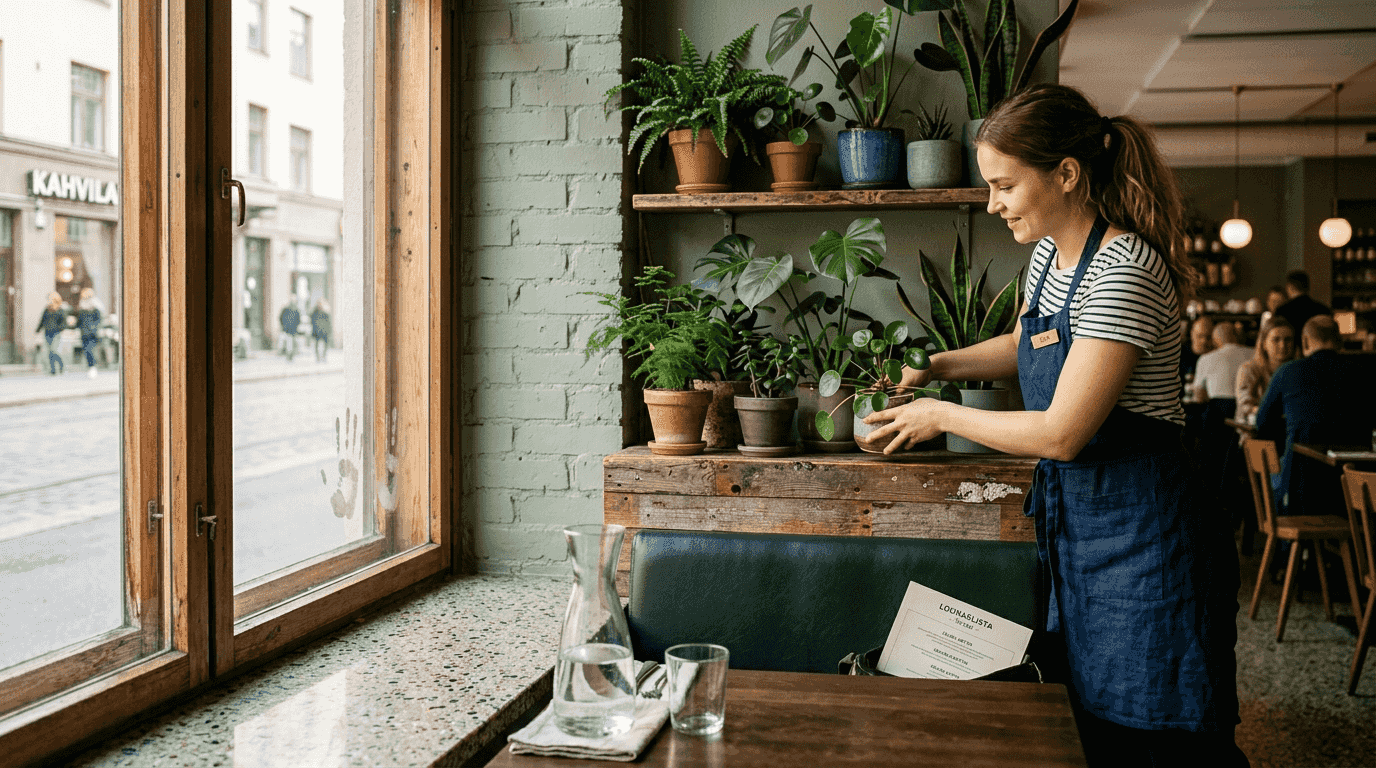
Natural light is the most important element of biophilic design. Large windows and glass surfaces allow ample daylight to enter, saving energy and improving mood. Natural light varies throughout the day, creating a dynamic and living atmosphere compared to static artificial lighting.
Plants are the easiest way to bring nature indoors. They purify the air, increase humidity, and create visual interest. Large potted plants act as space definers, while small table plants bring warmth and personality. Vertical green walls are an effective solution in small spaces where floor area is limited.
Natural materials such as wood, stone, and bamboo bring organic texture and warmth to the interior. These materials age beautifully and develop a patina over time, which adds to their authenticity and value. Material choices in restaurant interior design significantly affect the ambiance and durability of the space.
Water elements such as fountains or aquariums create soothing sounds and visual movement. Water symbolizes purity and freshness, which is especially suitable for fine dining restaurants and wellness concepts. Maintaining these elements requires care, but the impact on customer experience is significant.
Benefits of biophilic design for restaurants:
- Reduced stress levels improve the dining experience and customer satisfaction
- Natural elements differentiate the restaurant from competitors and strengthen the brand
- Improved air quality and acoustics thanks to plants and natural materials
- A sustainable image attracts environmentally conscious customers
- Employee well-being improves, reducing turnover
Biophilic design also supports sustainable development goals, which are increasingly important to consumers. Restaurants that demonstrate a commitment to the environment through their interior design choices build stronger brand loyalty and a positive reputation.
4. The Impact of Material Selection on Durability and Maintenance
Durability and maintenance directly affect operating costs and aesthetic appeal. Correct material choices reduce the need for renovation and improve customer experience in the long run. Restaurants are high-traffic environments, so materials must withstand daily wear and tear.
| Material | Durability | Maintenance | Cost | Style |
|---|---|---|---|---|
| Solid wood | High | Medium | High | Warm, classic |
| Laminate | Medium | Low | Low | Modern, versatile |
| Metal | Very High | Low | Medium | Industrial, minimalist |
| Stone | Very High | Low | High | Timeless, luxury |
| Fabric | Low | High | Low | Soft, cozy |
Wood brings warmth and naturalness to a space, but requires regular care to prevent moisture and wear damage. Solid wood is an investment that lasts decades with proper care. Laminate offers the look of wood more affordably and is easier to maintain, although it does not age as beautifully.
Metals such as stainless steel and aluminum are excellent for kitchens and bars due to their hygiene and durability. They reflect light and create a modern, industrial look. Metal surfaces require regular cleaning to remove fingerprints and stains, but they withstand stress exceptionally well.
Stone and concrete surfaces are virtually indestructible and suitable for flooring and countertops. They create luxury and permanence, but their installation is expensive and requires a professional. The natural variation of stone makes each surface unique.
Fabrics and upholstery bring softness and comfort, but they get dirty easily and require regular cleaning or replacement. Stain-resistant fabrics significantly extend their lifespan. The choice of materials for a restaurant space affects both aesthetics and practicality.
Practical tips for material selection:
- Choose hard-wearing materials for flooring that withstand wear and are easy to clean
- Use stain-resistant fabrics for seating and curtains
- Combine different materials to create visual interest and balance
- Consider the sound-absorbing properties of materials to improve acoustics
- Select easily replaceable elements for trendy details
Professional tip: Match material choices to your restaurant's concept and target audience expectations. A fine dining restaurant benefits from luxury materials, while a casual dining establishment needs durable and easy-to-maintain solutions.
Durable materials pay for themselves in the long run through reduced maintenance costs and less frequent renovation needs. They also retain their aesthetic appeal better, continuously supporting the brand's image of quality.
5. Visual Appearance and Brand Strengthening Through Interior Design
Brand identity is strengthened through colors, furniture style, and interior elements. A strong visual theme creates memorable customer experiences and differentiates the restaurant from competitors. Good design significantly increases repeat visits and positive reviews.
The color palette is the foundation of a brand's visual identity. Colors evoke emotions and influence behavior. Red and orange tones stimulate appetite and create an energetic atmosphere, while blue and green tones soothe and build trust. Neutral shades like gray, beige, and white serve as a background, allowing other elements to shine.
The style of furniture expresses the restaurant's personality. Classic wooden furniture conveys a traditional and warm atmosphere, while metallic minimalism suits a modern and trendy concept. By mixing styles, you can create a unique look that stands out from the crowd.
Visual strategies for strengthening a brand:
- Consistent color scheme across all touchpoints, from menus to interiors
- Thematic elements that tell the restaurant's story and values
- Focal points such as artworks or special lighting that attract attention
- Branded details such as logos, patterns, and materials
- Instagram-friendly corners that encourage customers to share experiences
The role of lighting in branding is crucial, as it creates atmosphere and highlights visual elements effectively. The right lighting can transform the mood of a space from day to night and support different aspects of the brand.
| Design Focus | Customer Loyalty | Revenue Growth |
|---|---|---|
| Strong Brand Identity | +35% | +28% |
| Consistent Theme | +30% | +22% |
| Visual Focal Points | +25% | +18% |
| Instagram-friendliness | +40% | +32% |
Social media has significantly changed restaurant interior design. Customers look for visually appealing places where they can share photos. Design elements into the space that are inherently photogenic and shareable, such as unique murals, distinctive light fixtures, or dramatic material contrasts.
Brand consistency across all elements builds recognition and trust. Customers remember restaurants with a clear and unique visual identity. This leads to stronger word-of-mouth marketing and a higher customer lifetime value.
Explore Dekojo's Solutions for Restaurant Interior Design
Your restaurant deserves an interior that evokes emotions and stands out from everything else. Dekoja offers special materials and expertise that transform your space into a unique experience. We help create visual effects that will remain in your customers' minds.
We specialize in solutions that others don't offer: super black surfaces, non-reflective materials, and optical illusions that create depth and drama. The selection of materials in restaurant interior design affects both the atmosphere and durability, and our experts help choose the right solutions for your project.
Explore lighting tips for restaurants and discover how light and materials together create an unforgettable atmosphere. Fast deliveries from Finland and B2B service for projects guarantee smooth execution.
Frequently Asked Questions
How does lighting affect a restaurant's ambiance?
Lighting creates the atmosphere and influences how customers perceive food quality and the coziness of the environment. Warm lighting makes food more appealing and boosts customer satisfaction by up to 20%. Proper lighting design combines general, task, and accent lighting to create layering and depth.
How does acoustics improve the restaurant experience?
Good acoustics reduce disruptive noise and create a calmer dining environment, significantly increasing customer satisfaction. Effective noise reduction lowers complaints and improves perceived service quality. Acoustic materials and proper space planning address noise issues already at the design stage.
What materials are good to choose for restaurant interior design?
Durability and easy maintenance are key criteria when selecting materials for a restaurant. Hard-surfaced materials such as stone, metal, and laminate are suitable for flooring and countertops, while stain-resistant fabrics work well for seating. The choice of materials for a restaurant impacts both costs and aesthetics in the long run.
How does biophilic design benefit restaurant customers?
Natural elements such as plants, natural light, and organic materials significantly reduce stress and improve customer well-being. They create a relaxing atmosphere that distinguishes the restaurant from competitors and enhances its sustainable image. Biophilic design also improves air quality and acoustics, elevating the overall dining experience.