

Layered lighting improves the functionality of the space by 30%
Many interior designers and architects believe that bright lighting always improves the usability of a space. In fact , layered lighting can improve the usability of a space by up to 30% . Understanding color temperature, light quality, and innovative materials is key to optimizing the visual experience of a space. In this article, we will review the layers of lighting, the importance of color temperature, super black surfaces, control options, and current trends.
Table of contents
- Key lessons about the impact of lighting on a space
- The effects of lighting on the atmosphere and functionality of a space
- Color temperature and the importance of color rendering in the visual appearance of a space
- Innovative materials and surfaces in lighting
- Lighting control options and their impact on user well-being
- Common misconceptions about the effects of lighting
- Finnish lighting trends and new materials 2025–2026
- Lighting design process and tools for architects
- Discover dekoja.net's lighting and material solutions
- Frequently asked questions about the effects of lighting on a space
Key lessons about the impact of lighting on a space
| Point | Details |
|---|---|
| Layered lighting | Combining general, task and mood lighting improves space usability by up to 30% |
| Color temperature selection | Below 3000 K creates a warm atmosphere, above 5000 K a cold and clinical atmosphere |
| Super black materials | Musou Black surfaces absorb over 99% of light and create impressive visual contrasts |
| Dynamic adjustability | Automatic lighting control increases user comfort by up to 25% |
| Common myths | Too bright light can reduce user comfort by up to 20%, so design requirements must be optimized |
The effects of lighting on the atmosphere and functionality of a space
Layering lighting means combining three main types: general lighting creates a base level of brightness, task lighting supports functional needs such as reading or working, and mood lighting builds visual interest and depth. Studies show that layering lighting can improve the usability of a space by up to 30% because it allows flexibility in different usage situations.
The benefits of layering are seen in both functionality and visual diversity. Restaurants and galleries can adjust the atmosphere as needed, while in offices, emphasizing lighting in the spatial design supports concentration and well-being. Layered lighting also enables energy efficiency, as not all lights are constantly on full power.
| Lighting type | Purpose | Recommended investment |
|---|---|---|
| General lighting | Basic brightness and safety | Distributed on the ceiling |
| Task lighting | Functional support for work areas | Above workstations, for precision-requiring applications |
| Mood lighting | Visual depth and highlights | For walls, details, decorative objects |
Pro tip: Always plan the layering based on the primary use of the space. In a gallery, mood lighting highlights the art, while in restaurants, balance between all layers is critical. For best results, map out your users’ needs before designing the lighting and test the results in practice.
Color temperature and the importance of color rendering in the visual appearance of a space
Color temperature is measured in Kelvin and directly affects the mood of a space. Below 3000 K creates a warm, inviting atmosphere, above 5000 K cold and clinical . The human eye interprets low color temperatures as calming and higher ones as invigorating, making the right choice a key factor in the experience of a space.
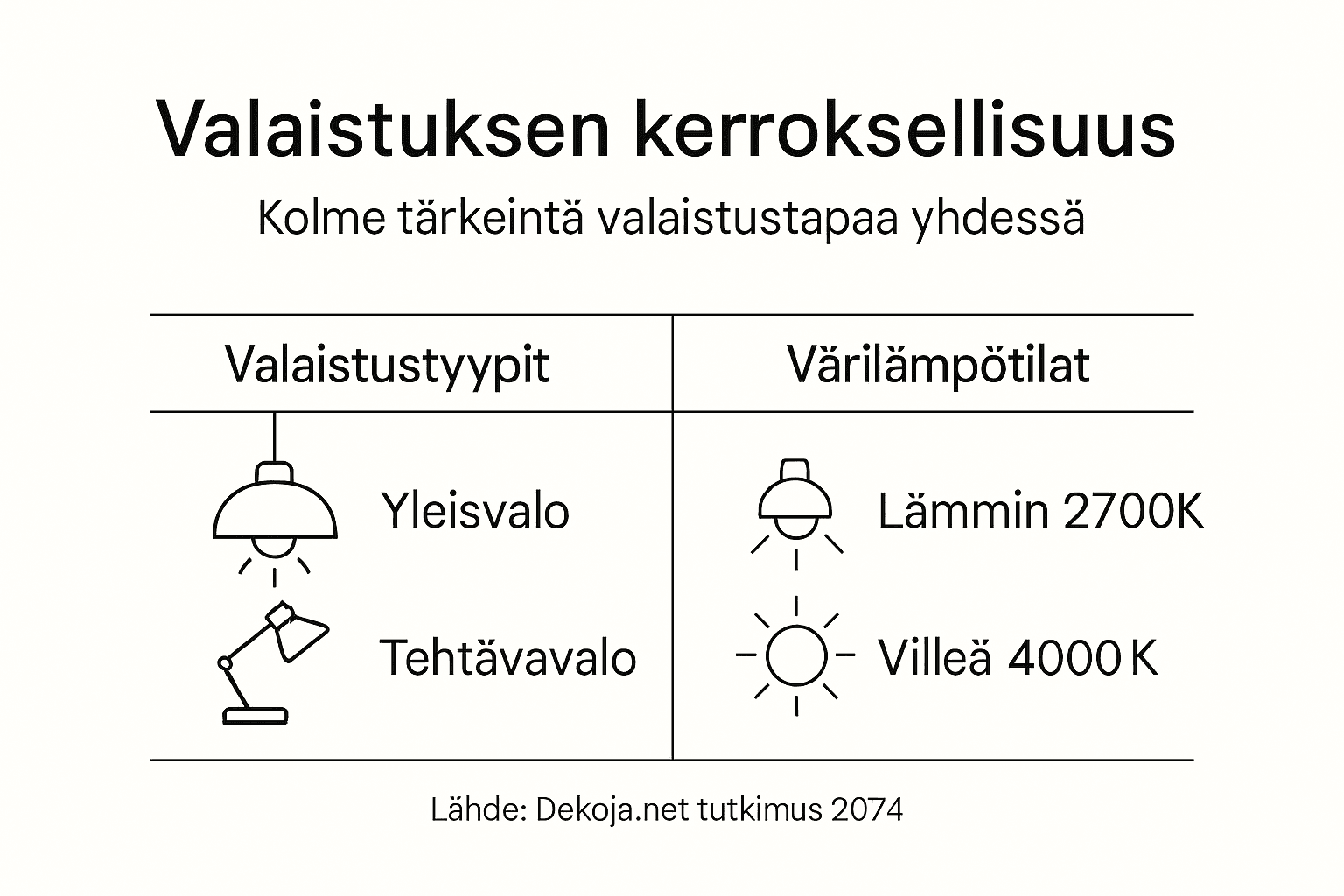
CRI, or color rendering index, describes the ability of light to reproduce colors naturally. A CRI above 85 is recommended for natural color reproduction, which is especially important in galleries, fashion stores, and restaurants where color accuracy affects the customer experience. A low CRI makes surfaces appear gray and lifeless.
| Status | Recommended color temperature | CRI recommendation |
|---|---|---|
| Restaurant | 2700-3000 K (warm) | ≥ 90 |
| Gallery | 3500-4000 K (neutral) | ≥ 95 |
| Office | 3500-4500 K (cool neutral) | ≥ 85 |
| Trade | 3000-4000 K (warm neutral) | ≥ 90 |
Tips for choosing the right color temperature: warm light below 3000 K is suitable for classic and traditional interiors, neutral light of 3500-4000 K is suitable for modern and minimalist spaces, and cool light above 4500 K is suitable for industrial styles. Also consider the effect of lighting on the color scheme, as the quality of light significantly changes the color tones of surface materials.
Innovative materials and surfaces in lighting
Super black surfaces like Musou Black represent the latest innovation in lighting design. Musou Black and super black surfaces can absorb over 99% of light , creating a unique visual contrast with the light. Such materials change the traditional way of thinking about lighting, as they do not reflect light but absorb it completely.
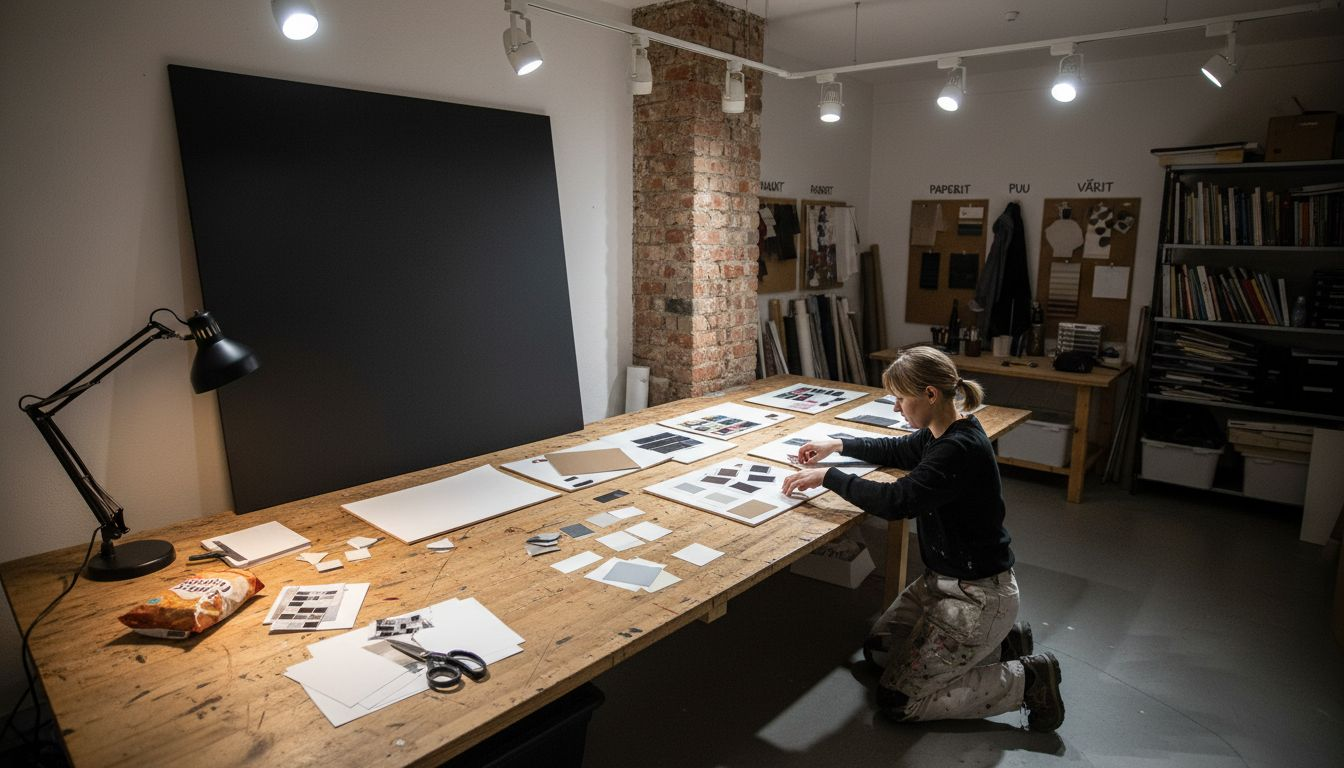
Super black surfaces create depth and highlight details in a space by controlling reflections. When the background wall is painted super black, illuminated objects appear to float in the void, which works great in galleries and high-end restaurant interiors. Super black surfaces and effects are especially visible in photography and AV production, where reflection control is critical.
Applications for super black materials:
- The walls of art museums and galleries, where you want to put artworks in the center
- Contrasting walls in restaurants that create a dramatic atmosphere and highlight lighting elements
- Acoustic panels for home environments that also serve as visual highlights
- Backgrounds for photography and video studios where reflections need to be minimized
- Isolated areas of exhibition spaces where you want to highlight a specific installation or object
Pro tip: Use super black surfaces strategically to create a play of light and shadow. Don’t cover the entire space, but instead use black surfaces to highlight illuminated objects. This creates visual drama and depth that traditional light surfaces can’t provide.
Lighting control options and their impact on user well-being
Lighting control significantly improves the user experience. Automatic lighting control can increase comfort by up to 25% , as it adapts to the amount of daylight and the needs of users. Dimming, light direction change and dynamic control systems form the core of modern lighting design.
Types of adjustment options:
- Dimming allows you to change the brightness for different usage situations
- Changing the direction of light directs the eye and creates visual focal points
- Dynamic control systems automatically react to daylight and presence
- Color temperature adjustment supports circadian rhythms and task demands
Adjustment options directly affect the user's well-being and perceived comfort. Adjustable lighting in workplaces reduces eye strain and improves productivity. In restaurants and hotels, dynamic lighting solutions create different moods from morning to night without physical changes to the space.
Best ways to utilize adjustability in design:
- Integrate dimmers into all lighting layers for separate control
- Place control systems intuitively within reach of users
- Pre-design different lighting profiles for different usage situations
- Utilize automation to supplement daylight
- Test the adjustment ranges in practice before final installation
Common misconceptions about the effects of lighting
The overuse of brightness is the most common myth. Too bright light can reduce user comfort by up to 20%, causing glare, eye strain and discomfort. Many designers mistakenly assume that higher lux always improves visibility and safety.
The universality of cool light is another harmful misconception. In work spaces, the appropriate color temperature is often 3500-4000 K, not just cool light. Light above 5000 K creates a cold, unfriendly atmosphere that can reduce well-being at work in the long run. Neutral or slightly warm light works better in most professional spaces.
The third myth concerns the adequacy of general lighting. Ceiling lighting alone will never create a visually interesting or functionally optimal space. Layering lighting is essential for flexibility and ease of use.
“The impact of harmful lighting myths on the functionality of a space can be significant. Designers should interview users, test different options in practice, and rely on researched information instead of traditional beliefs.”
Underestimating the impact of super black surfaces is the fourth mistake. Many designers don’t realize how much of a visual impact a super black surface can have compared to regular black paint. Regular black still reflects 5-10% of light, while Musou Black-type surfaces absorb almost all of the light, creating a completely different effect.
Finnish lighting trends and new materials 2025–2026
Finnish lighting marketing is developing rapidly. The range of LED lighting products in Finland grew by over 20% in 2025 , enabling more diverse design solutions. This growth reflects both technological developments and the growing demand for energy-efficient and visually appealing lighting products.
Main trends:
- Natural materials such as wood, bamboo and paper in lamps create organic warmth and are suitable for Scandinavian design.
- Colorful and boldly designed lamps that serve as both a source of light and art
- Smart control and integration with home automation systems enable smart lighting solutions
- Linear LED profiles that integrate seamlessly into architecture
- Dynamic white light adjustment to support circadian rhythm and well-being
The expansion of the market and the diversification of the material selection provide designers with unprecedented opportunities. Special materials such as super black surfaces and anti-reflective fabrics are now available in Finland, bringing solutions previously only available on international markets to domestic projects.
Trends support emphasizing the personality and dynamism of spaces. Modern lighting design is no longer satisfied with basic functionality, but seeks visual impact and atmosphere. This is especially evident in restaurant and gallery design, where lighting forms an essential part of brand identity.
Tips for capitalizing on trends: integrate lighting made from natural materials into Scandinavian interiors, encourage customers to experiment with colorful lighting to create atmosphere, and invest in smart lighting for the future. Remember, trends should support the main purpose of the space, not dominate it.
Lighting design process and tools for architects
A systematic design process ensures the best outcome. Simulations can reduce design errors by up to 40% and improve the functionality of the end result. Modern simulation tools allow visualization of light behavior before implementation.
Steps in the design process:
- Map out the users' needs and the main purpose of the space through interviews and workshops
- Analyze the space architecturally: heights, surfaces, daylight and furniture placement
- Define lighting layers and their functions for each space
- Choose lamps based on color temperature, CRI and aesthetic criteria
- Simulate lighting with 3D tools, evaluate uniformity and glare
- Design control and regulation systems for usability and maintenance
- Perform test lighting on critical areas before final installation
- Document plans and instructions for maintenance and future changes
Needs mapping and space analysis before design are the most critical steps. Many design mistakes are due to a lack of understanding of how the space will actually be used. Visit the site at different times of the day and interview future users about their needs.
Simulations and test lighting play a significant role in improving quality. Lighting design tools such as Relux, DIALux and AGi32 enable photorealistic previews. Test lighting reveals details that simulations hide, such as the effect of reflections and subjective mood.
Collaboration between different design areas is essential. The lighting designer must communicate with the architect, interior designer, and electrical designer to ensure that lighting is seamlessly integrated into the overall design. Collaboration prevents conflicts and enables the development of innovative solutions.
Discover Dekoja.net's lighting and material solutions
Are you ready to put these lighting design principles into practice? Dekoja.net offers special materials and smart solutions that you won't find anywhere else in Finland. Musou Black surfaces, non-reflective fabrics and contrasting wall materials enable the creation of innovative spaces.
Discover black surfaces in spatial design, which offer a new level of light absorption and contrast control. Smart interior products bring dynamism and comfort to projects. Light absorption and contrast control create visual depth that traditional materials cannot provide. Fast deliveries directly from the Finnish warehouse and B2B service for design offices guarantee that you will receive help from start to finish.
Frequently asked questions about the effects of lighting on a space
How does the layering of lighting affect the comfort of a space?
Layered lighting improves flexibility by combining general, task and mood lighting. It allows the light to be adjusted to different usage situations without physical changes. Studies show a 30% improvement in user comfort compared to single-layer lighting.
Why is the choice of color temperature and CRI important?
Color temperature determines the mood of a space: warm light is calming, cool light is refreshing. A CRI of over 85 ensures natural color reproduction, which is critical in galleries, restaurants, and stores. The wrong choice can make a space feel uncomfortable or the colors look wrong.
What are the benefits of adjustable lighting?
Adjustable lighting adapts to the needs of users and the amount of daylight, improving comfort by up to 25%. Dimming and dynamic systems reduce energy consumption and eye strain. They also allow you to create different moods in the same space without additional lighting.
How do super black materials change lighting?
Super black surfaces like Musou Black absorb over 99% of light, eliminating reflections and creating visual depth. They accentuate illuminated objects by making them appear to float in the void. This works great in galleries, restaurants and AV spaces where contrast control is key.
What are the most common misconceptions about lighting?
The most common myth is that brighter light always improves usability, although too bright light can reduce it by up to 20%. Another misconception is the universality of cool light, although neutral 3500-4000 K is usually better. The third mistake is to rely solely on general lighting instead of layering.