

The effect of light on interior design – The power of contrast and experience
Light is not just a background factor in interior design, but a powerful element that guides the experience and creates the atmosphere of a space. In restaurants and design projects in Central Europe, lighting determines which details stand out and how the architecture of the space comes to life. The considered use of lighting brings depth and emotion to spaces and gives designers a tool to create impressive experiences for both guests and customers.
Table of contents
- What does the effect of light on interior design mean?
- Natural light, artificial light and special surfaces in the premises
- Modern lighting solutions for restaurants and designers
- Musou black and maximizing contrast in practice
- The most common lighting mistakes and solutions
Key Considerations
| Paragraph | Detail |
|---|---|
| The importance of light in interior design | Light shapes the atmosphere and experience of a space, revealing architectural details and creating emotional layers. |
| Natural light and artificial light | A balanced combination of these elements is key, both have their own advantages and challenges in lighting. |
| Modern lighting solutions | Smart lighting technologies enable dynamic and flexible lighting design for different occasions and times of day. |
| Common lighting mistakes | Common mistakes, such as uneven lighting and the wrong color temperature, reduce the functionality of a space; planning is the key to effective lighting. |
What does the effect of light on interior design mean?
Light is an invisible but powerful modifier of interior design, changing the atmosphere and experience of an entire space. The lighting of a space directly affects a person's psychophysical state, creating a multi-level interaction between the environment and the user.
The importance of light in interior design is multidimensional. It is not just about increasing visibility, but an artistic element that reveals the shapes of a space, highlights materials and evokes emotions. Lighting acts as a brushstroke, painting atmosphere and depth into a space.
In practice, light affects interior design on several levels:
- Reveals the architectural details of the space
- Emphasizes the textures of surface materials
- Modify the experience of colors and tones
- Directs the gaze to desired objects
- Create emotional layers in the space
The dynamic nature of light activates human senses, making a space feel alive and changing. Natural light brings with it constantly changing tones and intensities, while planned artificial lighting allows for perfect mood control.
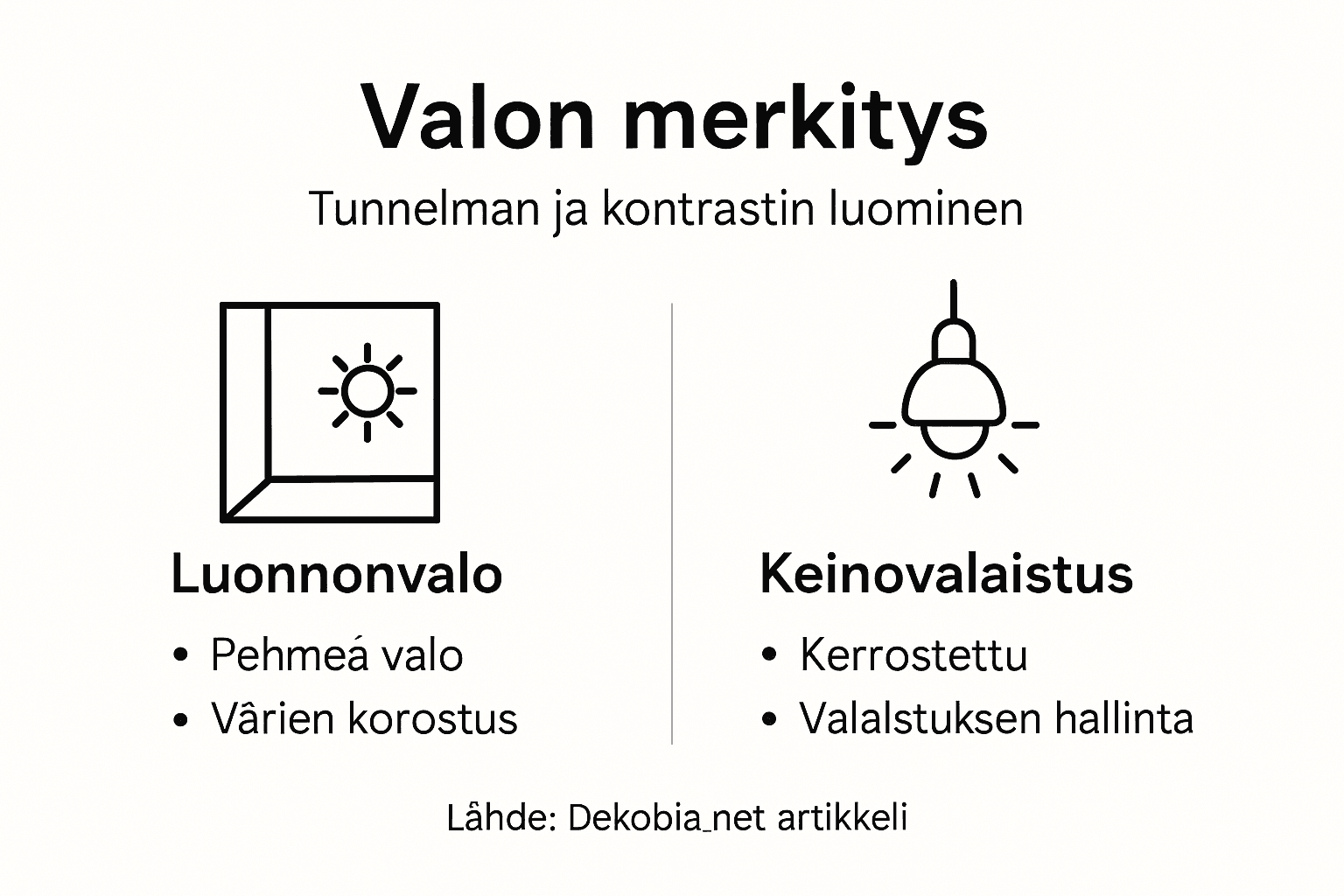
Pro tip: Use layered lighting to create depth and multi-dimensionality in a space – don't rely on just a ceiling light.
Natural light, artificial light and special surfaces in the premises
Utilizing natural light in interior design is a multifaceted art form that shapes the mood and aesthetics of a space. Natural light serves as the foundation of interior design, highlighting colors, textures, and features of the space, creating an organic, living environment.
The lighting system consists of three main elements: natural light, artificial lighting and special surfaces. Lighting design requires a harmonious combination of these elements:
- Natural light: Utilizing daylight
- Artificial lighting: Creating atmosphere and functionality
- Special surfaces: Reflecting and shaping light
Interior lighting consists of several layers , combining general, task, accent and mood lighting. The function of artificial lighting is to complement natural light and highlight the details of the space, creating depth and interest.
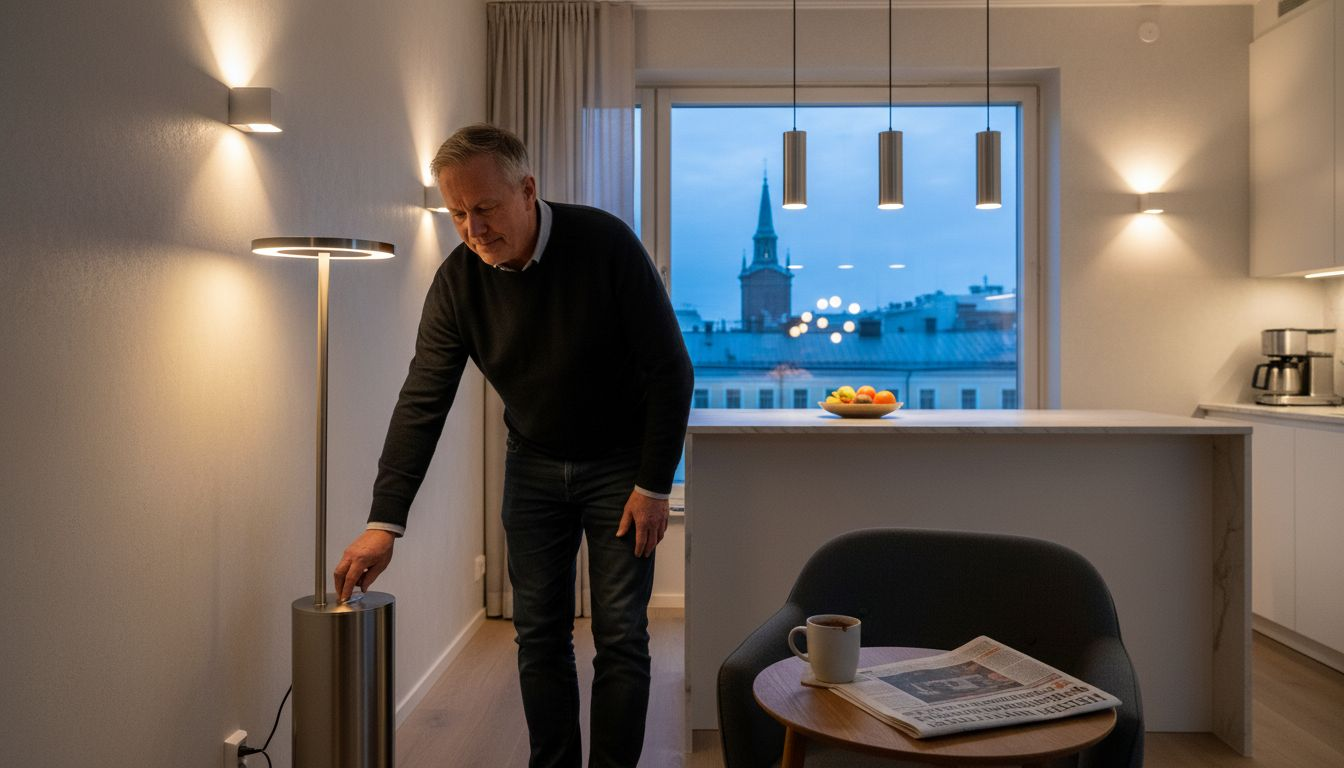
Pro tip: Use mirrors and bright surfaces to reflect natural light to make the space feel brighter and more spacious.
Below we compare the benefits and challenges of natural light and artificial light in interior design:
| Feature | Natural light | Artificial lighting |
|---|---|---|
| Lighting shades | Vary naturally | Adjustable as needed |
| Energy consumption | Does not consume electricity | Requires electrical energy |
| Manageability | Limited adjustability | Fully controllable |
| Effect on the mood | Organic and alive | Adapts to the occasion |
Modern lighting solutions for restaurants and designers
Optimizing lighting in restaurant spaces is a strategic core element of modern interior design that profoundly shapes the customer experience. Modern lighting solutions are no longer just functional lighting, but artistic spatial design that evokes emotions and directs the customer's attention.
Lighting design in a restaurant context includes multidimensional perspectives:
- Atmospheric lighting enhances the dining experience
- Highlighting colors and materials
- Definition of functional areas
- Creating visual contrast
- Considering energy efficiency
Modern designers are using smart technologies, such as adjustable LED systems, to create dynamic lighting sets. Lighting needs to be flexible and adaptable to different times of day and situations.
Pro tip: Use layered lighting to create depth and interest in different areas of the restaurant.
Musou Black and maximizing contrast in practice
The use of contrast in interior design is a multifaceted artistic process, with Musou Black serving as a key tool in creating visual depth. This special black surface material absorbs up to 99.4% of visible light, creating a dramatic and unique spatial experience.
Maximizing contrast with Musou Black means taking a strategic approach to the visual design of a space:
- Intense interplay of light and shadow
- Emphasizing the depth of materials
- Emphasizing the architectural forms of the space
- Enlivening colors and textures
- Adding visual interest
A dramatic play of light and shadow is created when the Musou Black surface acts as an optical active that shapes the perception of space. It does not simply absorb light, but creates an active interaction between light, shadow and the geometry of the space.
Pro tip: Place Musou Black surfaces strategically in a space to create depth and tension – don’t cover the entire space, use judiciously.
The most common lighting mistakes and solutions
Lighting design often makes repetitive mistakes that impair the functionality and atmosphere of a space. Recognizing these mistakes is the first step towards a functional and pleasant lighting system.
The most common lighting challenges can be divided into the following categories:
- Uneven light distribution
- Wrong light color temperature
- Insufficient lighting layering
- Ignoring functional areas
- Staticity of lighting
In practice, mistakes often arise from overly simplified thinking. Lighting is not just about ensuring visibility, but a multi-sensory experience that directly affects the atmosphere of the space and the user's state of mind. Functional lighting requires planning and the thoughtful combination of different lighting groups.
The following table summarizes the most typical lighting errors and recommended solutions:
| Common mistake | Impact on the space | Recommended solution |
|---|---|---|
| Uneven lighting | Unpleasant atmosphere | Add spotlights and work lights |
| Wrong color temperature | Colors are distorted | Choose the right temperature for the room |
| Static lighting | Shades monotonous | Use dimmable lights |
| Lack of layering | The situation seems to have calmed down. | Combine different light sources |
Pro tip: Use at least three different types of lighting in the space – general lighting, spotlights, and mood lighting – to create a diverse and dynamic lighting ensemble.
Experience the power of light and contrast in your spaces now
The mood created by light and the importance of contrast are key to successful interior design, as the article highlights. Multidimensional lighting in the interior and materials like Musou Black open up new experiences and enhance the visual depth and contrast of the space. The challenge is often to control the lighting and emphasize the details of the space in a way that evokes emotions and leaves a lasting impression.
Explore the Lightning – Dekoja.net range and find solutions that will take your lighting to the next level. Musou Black material absorbs light and maximizes contrast, creating a dramatic and unique spatial experience, especially in restaurants, theaters and exhibition spaces. Now is the time to take control and make your space memorable with the play of light and shadow.
Don't settle for mediocre lighting, but utilize Dekoja.net's technical and aesthetic solutions to make your interior speak deeply and live together with light. Explore our selection today at https://dekoja.net and take the first step towards more impressive spaces. You can also get more information and tips about our Lightning – Dekoja.net services.
Frequently asked questions
What is the role of light in interior design?
Light not only increases visibility, but it acts as an artistic element that changes the atmosphere of a space, reveals shapes and evokes emotions.
How can I utilize natural light in my interior design?
Utilizing natural light elevates the aesthetics of a space and highlights colors and textures, creating an organic and vibrant environment. Mirrors and bright surfaces can help reflect natural light.
What is layered lighting and why is it important?
Layered lighting means combining different light sources, such as general, task and spotlight lighting. It creates depth and multi-dimensionality in a space, making it more interesting and functional.
How do I avoid the most common lighting mistakes in interior design?
The most common mistakes, such as uneven light distribution and incorrect color temperature, can be avoided by carefully planning lighting in layers, choosing the right types of lamps, and considering the intended use of the space.
Recommendation
- Emphasizing lighting in interior design: Create an impressive result – Dekoja.net
- Emphasizing lighting in interior design: Create an impressive result – Dekoja.net
- Emphasizing lighting in interior design: Create an impressive result – Dekoja.net
- Emphasizing lighting in interior design: Create an impressive result – Dekoja.net