

Lighting Basics – The Power of Visual Contrast
Many designers of restaurants or boutique accommodation in Central Europe know how much lighting affects the atmosphere of a space and the customer experience. Modern trends, such as black matte surfaces and bright effect paints, offer the opportunity to bring depth and visual contrast to a space and make light a truly experiential element. This article will help you find new ways to utilize lighting that make every space stand out and memorable.
Table of contents
- Lighting solutions at the heart of interior design
- Key lighting types and their roles
- The effect of materials and surfaces on contrast
- Innovative solutions: black surfaces and effect paints
- The most common mistakes and tips for solving them in Central Europe
Key considerations
| Target | Detail |
|---|---|
| The importance of lighting | Lighting is a key element that creates atmosphere and visual expression in interior design. It acts as a strategic tool in shaping the experience of a space. |
| Lighting types | Different types of lighting, such as general lighting and task lighting, are essential to the practicality and aesthetics of a space. When combined, they create a dynamic lighting environment. |
| Materials and surfaces | Materials and surface textures have a significant impact on visual contrast. Combining different materials brings depth and tension to a space. |
| Lighting solution errors | Common mistakes, such as poor contrast control, can undermine lighting design. A professional approach ensures aesthetic and practical lighting. |
Lighting solutions at the heart of interior design
Interior design is an art form in which lighting is the most important element in creating atmosphere and visual expression. Lighting solutions are not just about placing lights, but about comprehensively managing the psychological and aesthetic impact of a space.
The importance of lighting is particularly emphasized in the design of restaurant and AV environments , where visual contrast can create a completely new experience. In professional interior design, light is not only a functional element, but a strategic tool that can be used to:
- Highlights the architectural details of the space
- Create depth and atmosphere
- Direct your gaze to desired areas
- Modify the experience and proportions of space
Modern interior design understands the multidimensionality of light. It is not simply brightness or darkness, but a complex interplay between light, shadow, surfaces and materials. Visual contrast is the key to transforming an ordinary space into a startling experience.
In practice, this means meticulous planning, where every light fixture, reflective surface, and color tone is considered. An interior designer uses light like a painting medium, creating layers, deep shadows, and dramatic highlights.
Pro tip: Try dark-toned surfaces to control light – they can create unprecedented depth in a space.
Key lighting types and their roles
In interior design, lighting types act like a multifaceted color palette, where each fixture and technology plays its own unique role in creating the atmosphere of a space. Lighting solutions for AV environments show how versatile light can be.
The main types of lighting can be divided into the following categories:
- General lighting : Basic lighting for the entire space
- Spotlighting : Highlighting specific areas or elements
- Mood lighting : Creating an emotional atmosphere
- Functional lighting : Practical lighting for work areas
Combining different lighting types requires careful consideration. Visual contrast is created when these types are intelligently combined, creating a layered and dynamic lighting environment.
Spotlights are a particularly powerful tool for interior designers. They direct the eye, highlight architectural details, and create a sense of depth and interest in a space. Light is no longer just a functional element, but an artistic medium.
Pro tip: Use layered lighting – combine different lighting types to create a multi-dimensional and versatile lighting ensemble.
The table below gives you an overview of lighting types and their multidimensional effects on interior design.
| Lighting type | The effect of space | Design tip |
|---|---|---|
| General lighting | Creates a unified foundation, increases space clarity | Choose a dimmable solution |
| Spotlight | Emphasizes details, directs attention | Adjust angle and intensity |
| Mood lighting | Add emotional depth | Use warm color temperatures |
| Functional lighting | Improves practicality and ergonomics | Plan by activity zone |
The effect of materials and surfaces on contrast
In lighting design, materials and surfaces play a key role in creating visual contrast. The use of black in a space can revolutionize the visual dynamics of the entire space.
The contrasting effects of materials arise from their:
- Reflectivity
- Color
- Surface structure
- Gloss
Combining different materials creates depth and tension in an interior. Shiny metallic surfaces work completely differently than velvety fabric or rough brick walls – each material reflects and absorbs light in different ways.
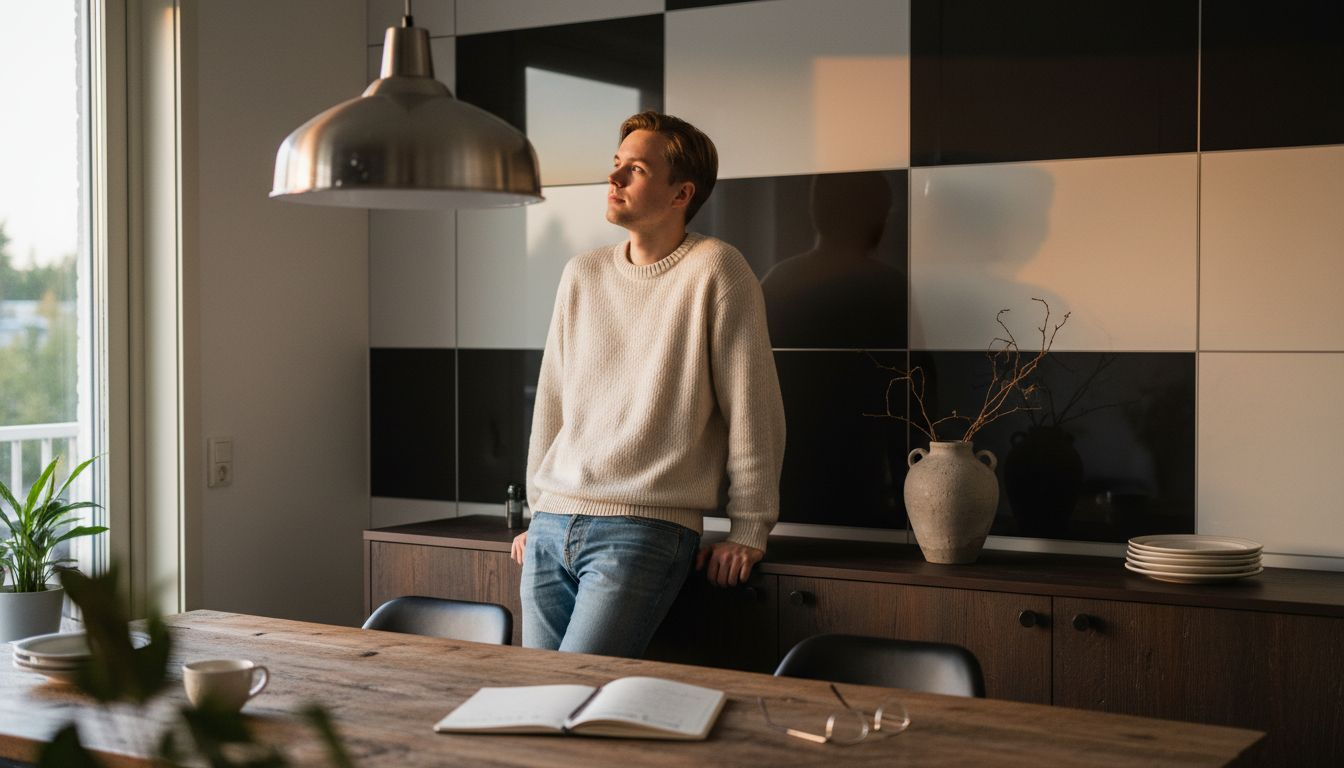
Surface textures and reflective properties are crucial for creating contrast. The more different your surfaces are from each other, the more interesting the visual experience you create. Non-reflective, deep black surfaces can create a stunning sense of depth that changes the geometry of a space.
Pro tip: Use a variety of materials – combine glossy and matte materials to create a vibrant and dynamic interior.
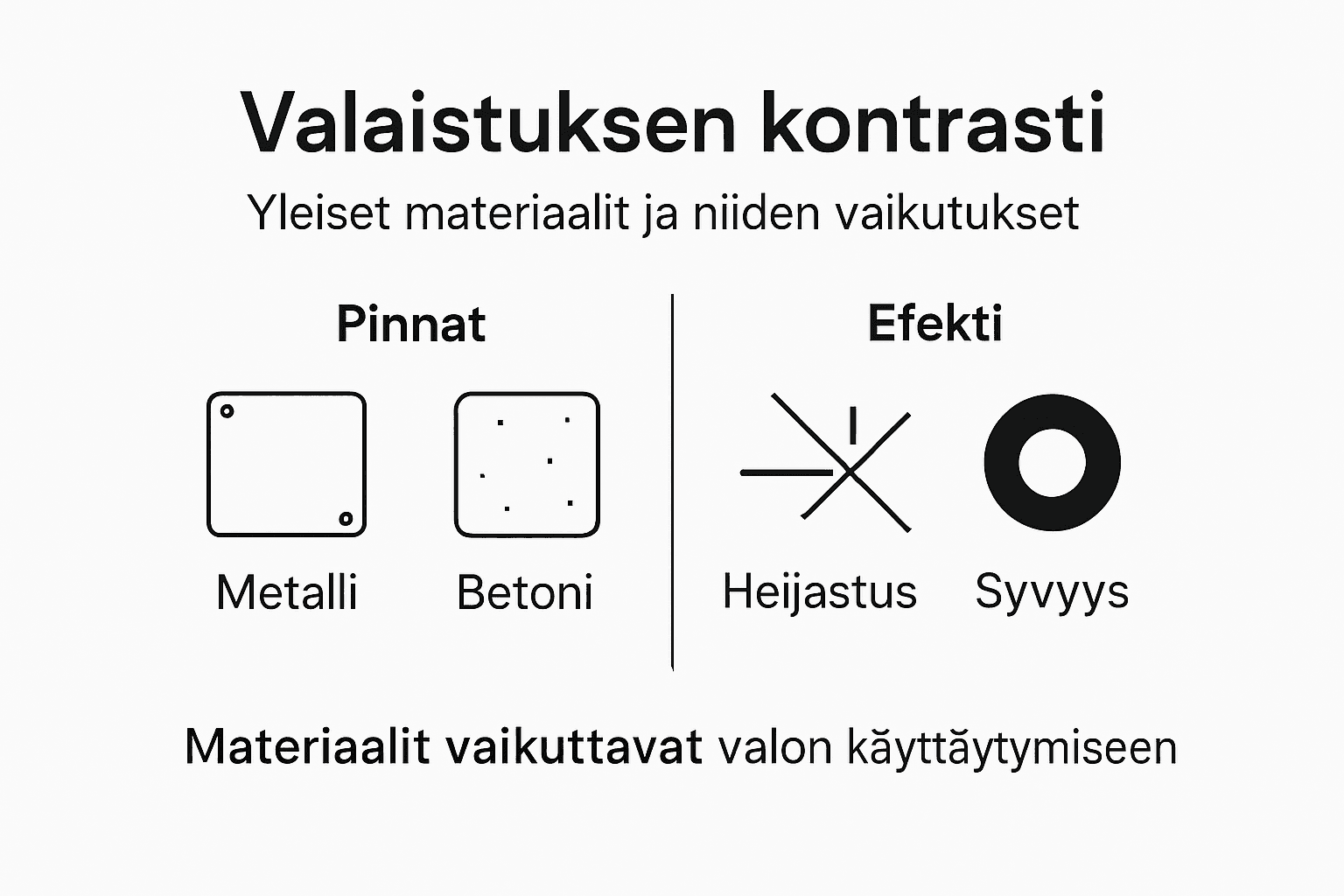
The following table illustrates how different surface materials affect the contrast and interaction of light in a space.
| Material | Light reaction | Visual effect |
|---|---|---|
| Metal | Reflects effectively | Create bright spots and depth |
| Velvet | Absorbs light, matte | Softens the atmosphere and reduces contrast |
| Brick | Disperses reflection | Add texture and tension |
| Black matte | Absorbs almost all light | Create optical depth and drama |
Innovative solutions: black surfaces and effect paints
Black surfaces and effect paints represent the latest generation in interior design lighting solutions. Lighting ideas in frosty elegance show how these innovative technologies can completely transform a space.
Properties of black surfaces and effect paints:
- Creating depth in space
- Dramatic manipulation of light
- Maximizing visual contrast
- Modular adaptability
Matte black surfaces act like an optical illusion, absorbing light and creating amazing depth effects. They not only reflect light, but also shape the geometry and atmosphere of the entire space.
Effect paints bring a new dimension to interior design. They allow for unique light reflections and create dynamic surfaces that react to changes in lighting. This makes the space a living and constantly changing experience.
Pro tip: Use matte black surfaces judiciously – even a small surface can create a dramatic contrast to the entire space.
The most common mistakes and tips for solving them in Central Europe
Lighting design in Central Europe faces certain recurring challenges that require a professional approach. The importance of outdoor lighting maintenance highlights the importance of proactive thinking.
The most common mistakes in interior design lighting solutions:
- Poor contrast control
- Wrong types of lighting for the space
- Forgetting about the layering of lighting
- Ignoring energy efficiency
- Conflict between mood and functionality
Contrast management is the most critical element in successful lighting design. Central European design-focused spaces require careful consideration of light direction and the interaction of different surfaces.
Functional lighting design means that every light fixture and lighting solution is considered both aesthetically and practically. It’s not enough to just look good – the light must serve the purpose of the space.
Pro tip: Use digital lighting control systems that allow for flexible adjustment of lighting for different situations.
Take your lighting to the next level with Musou Black
The key to the basics of lighting solutions is the power of visual contrast and its control. The article highlights the challenge of creating spaces that are impressive and multidimensional by combining different lighting types, materials and surfaces. Dekoja.net offers a unique solution to this very challenge with Musou Black paint and other effect materials. These materials create depth and dramatic contrast in the space, making the interior an experience.
Discover a wide selection of lighting fixtures that optimally complement visually contrasting surfaces. You can find solutions for mood lighting, spotlighting and practical general lighting at Valaisimet – Dekoja.net .
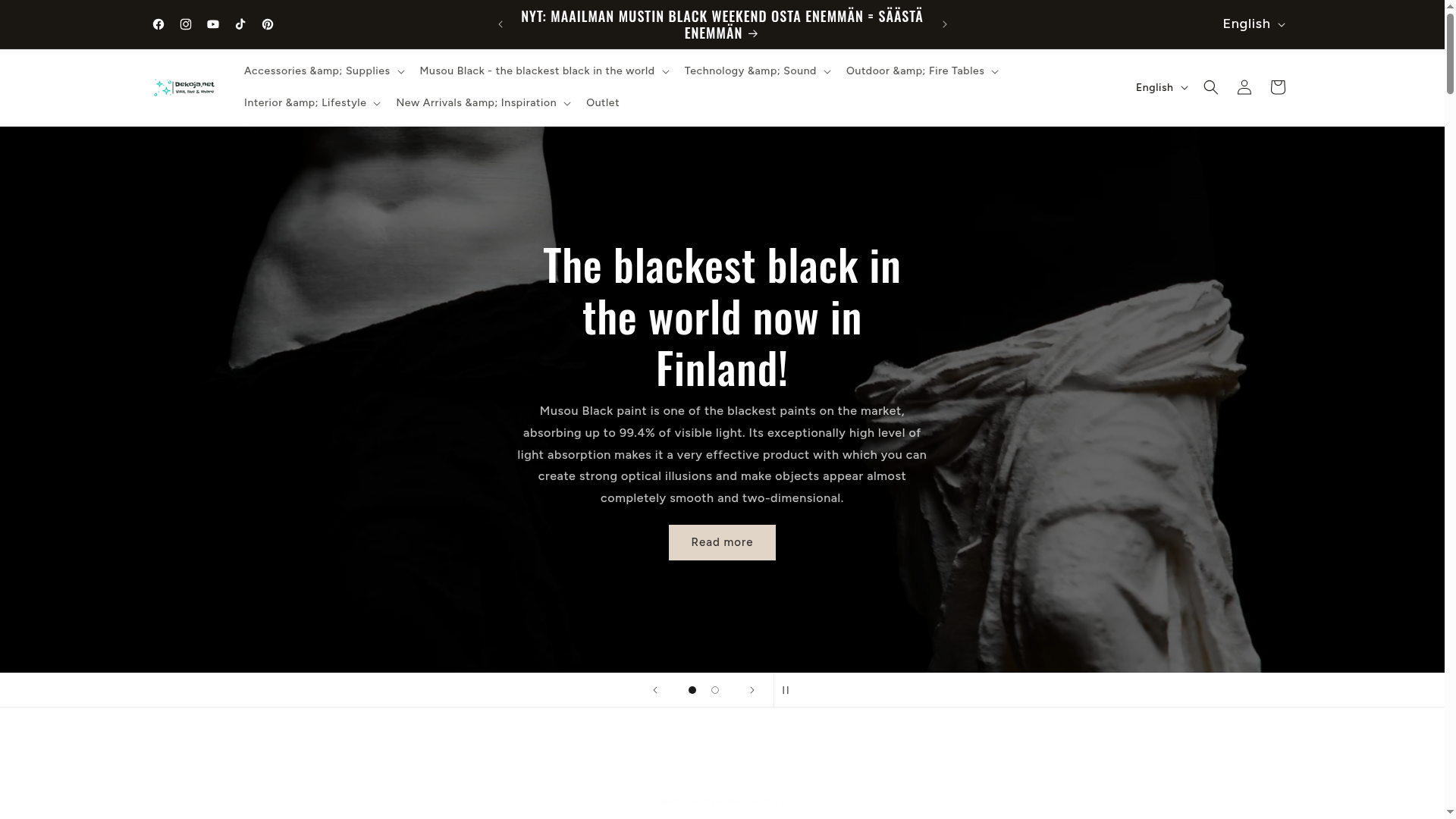
Don't be stuck in the usual lighting design. Materials and technology can now be found close to home at Dekoja.net. Use Musou Black and enhance the visual contrast of your space immediately. Start transforming your space today at Dekoja.net . Also explore smart lighting solutions and measurement automation with Ruuvitag sensors Ruuvitag Bluetooth sensors for measurement and automation | Dekoja.net and take advantage of every detail of lighting design.
Frequently asked questions
What does visual contrast mean in lighting design?
Visual contrast refers to the differences in light and shadow that create depth and drama in a space. It helps direct the eye and highlight architectural details.
How can I use spotlighting effectively in interior design?
Spotlighting highlights specific areas or elements, such as artwork or furnishings. Adjust the angle and intensity of the lighting to achieve the desired visual effect.
Why are materials important in lighting design?
Different materials react to light in different ways, which affects the contrast and mood of a space. For example, shiny surfaces reflect light effectively, while matte surfaces absorb it.
What are the most common mistakes in lighting design?
The most common mistakes are poor contrast control, using the wrong types of lighting, forgetting about lighting layers, and ignoring energy efficiency.
Recommendation
- Emphasizing lighting in interior design: Create an impressive result – Dekoja.net
- Emphasizing lighting in interior design: Create an impressive result – Dekoja.net
- Emphasizing lighting in interior design: Create an impressive result – Dekoja.net
- Emphasizing lighting in interior design: Create an impressive result – Dekoja.net