

Optimizing lighting – A visual competitive advantage in a restaurant
Over 60 percent of customers form their first impression of a restaurant based on lighting. For interior designers of Central European restaurants, optimizing lighting is about much more than just a stylish light fixture – it’s about a holistic experience that directly impacts customer satisfaction and the success of the restaurant. In this article, you’ll find current solutions that help you leverage modern technology and aesthetics to create a more immersive, brand-supporting space.
Table of contents
- Lighting optimization: meaning and principles
- Types and role of materials in a restaurant environment
- Modern innovations: LED, smart lighting and musou black
- Optimization to support customer experience and brand
- Energy, costs and sustainable solutions
- The most common mistakes and how to avoid them in planning
Key findings
| Paragraph | Detail |
|---|---|
| Lighting design is a strategic process | Lighting affects the customer experience, atmosphere, and success of a restaurant, and it is not limited to just the placement of lights. |
| Modern technologies offer flexible solutions | LED and smart lighting solutions enable customized lighting packages that support different moods and time constraints. |
| The right choice of material is important | Materials affect the acoustics, durability, and overall atmosphere of a space, so they should be chosen carefully. |
| Common mistakes to avoid in lighting design | Undersizing, oversizing, and the wrong use of light can dilute the customer experience, so dynamic lighting is key. |
Lighting Optimization: Meaning and Principles
Lighting design is much more than just placing lights in a space. It is a strategic process that directly affects the customer experience, atmosphere and success of a restaurant. The principles of lighting design focus on three key aspects: comfort, safety and energy efficiency.
Optimizing restaurant lighting requires a multi-dimensional approach. Technical expertise, understanding of user needs, and aesthetic vision form a whole that can make a space either pleasant or completely unpleasant. Properly implemented lighting can completely transform the customer experience: the same space can appear dull or dazzling, or create an intimate and inviting atmosphere.
Modern lighting technologies and intelligent control systems offer restaurants more diverse opportunities to create customized lighting solutions. These technologies allow for real-time adjustment of light color, brightness, and direction, enabling flexible mood creation at different times of the day or for different occasions.
Pro tip: Experiment with layering your lighting by using different types and intensities of light to create depth and interest in your restaurant space.
Types and role of materials in a restaurant environment
The restaurant's material choices are much more than just aesthetics. They create a holistic user experience where functionality, durability and atmosphere meet. The restaurant's lighting solutions show that each part of the space requires different material solutions - from the entrance to the bar and dining area.
Materials play a multidimensional role in restaurant design. They not only determine the appearance of the space, but also have a significant impact on acoustics, durability and maintaining hygiene levels. The right choice of materials determines the wear resistance of floors, moisture protection of bar areas and hygiene of kitchen spaces.
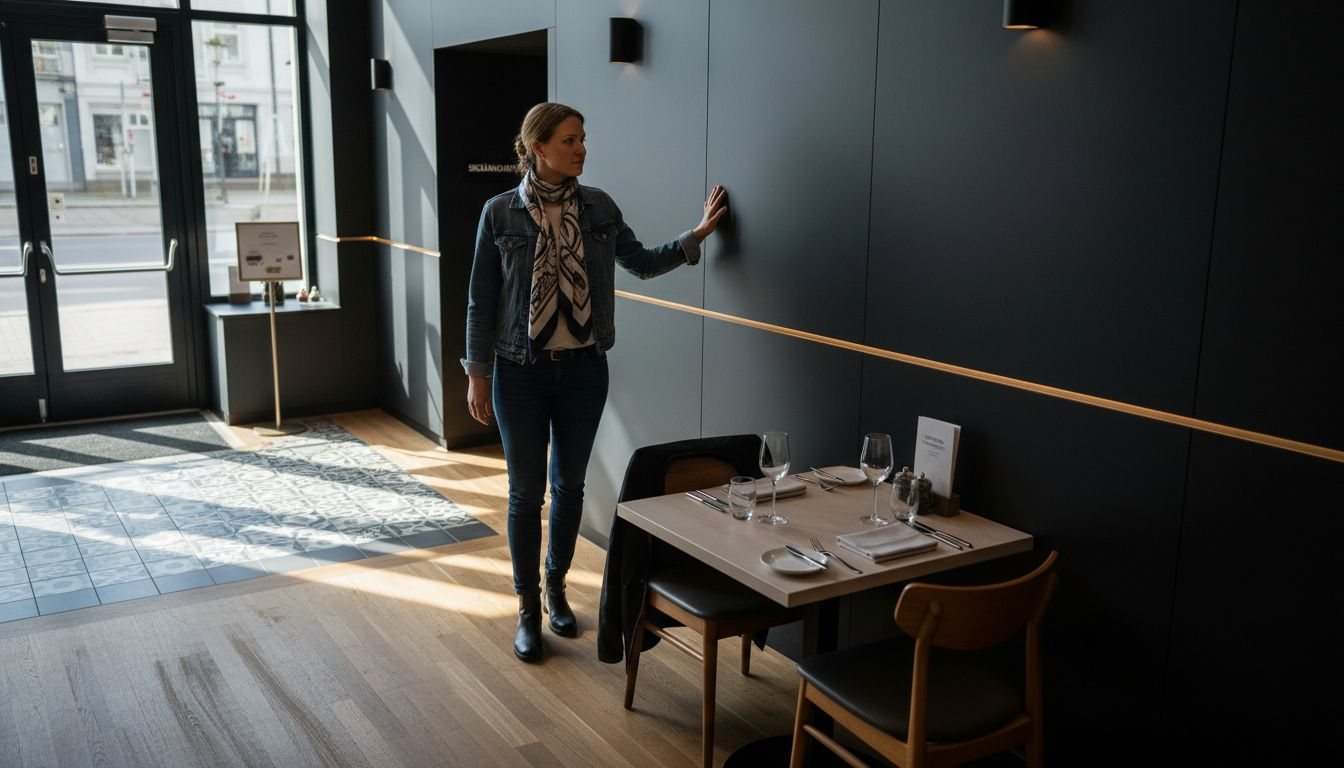
Modern restaurants require increasingly complex material solutions. For example, flooring materials must withstand peak traffic, be easy to clean, and at the same time support the restaurant's visual identity. Wall materials, on the other hand, can act as acoustic elements, dampening sound and creating a pleasant soundscape.
Pro tip: Always test material samples in practice before making a final choice - pay attention to durability, cleanability and aesthetic compatibility.
Modern innovations: LED, smart lighting and Musou Black
LED lighting technology has revolutionized the lighting options for restaurant spaces. Innovations in LED lighting have brought significant improvements in energy efficiency, light quality and lifespan, making them an attractive option for modern restaurants.
Smart lighting is the next evolution in lighting design. The implementation of smart lighting enables automatic brightness adjustment, motion detection and real-time lighting adjustments. This not only improves the customer experience, but also offers significant energy and cost savings.
Musou Black technology brings a whole new dimension to lighting design. The material's ability to absorb up to 99.4% of light enables dramatic contrasts and depth effects that traditional surface treatments cannot produce. This opens up entirely new possibilities for creating visually stunning restaurant experiences.
Pro tip: Feel free to combine different lighting technologies to create a layered and dynamic lighting ensemble that lives up to the different moods of your restaurant.
The following comparison table will help you understand the features and benefits of different lighting technologies in restaurant environments:
| Technology | Business benefit | Restrictions |
|---|---|---|
| LED lighting | Low energy consumption | Higher purchase price |
| Smart lighting | Automatic control, savings | Requires technical expertise |
| Musou Black | Dramatic visual impact | Application limited, price |
Optimization to support customer experience and brand
Restaurant lighting solutions are much more than just a visual element - they are a powerful tool in building customer experience and brand identity. Lighting acts as an invisible language that communicates the character, atmosphere and values of a restaurant without words.
Effective lighting design directs customer attention and creates emotional responses. Strategic use of restaurant lighting directly affects customer behavior - it can increase dwell time, enhance the appeal of food, and create the desired atmosphere, whether fine dining or casual, depending on the concept.
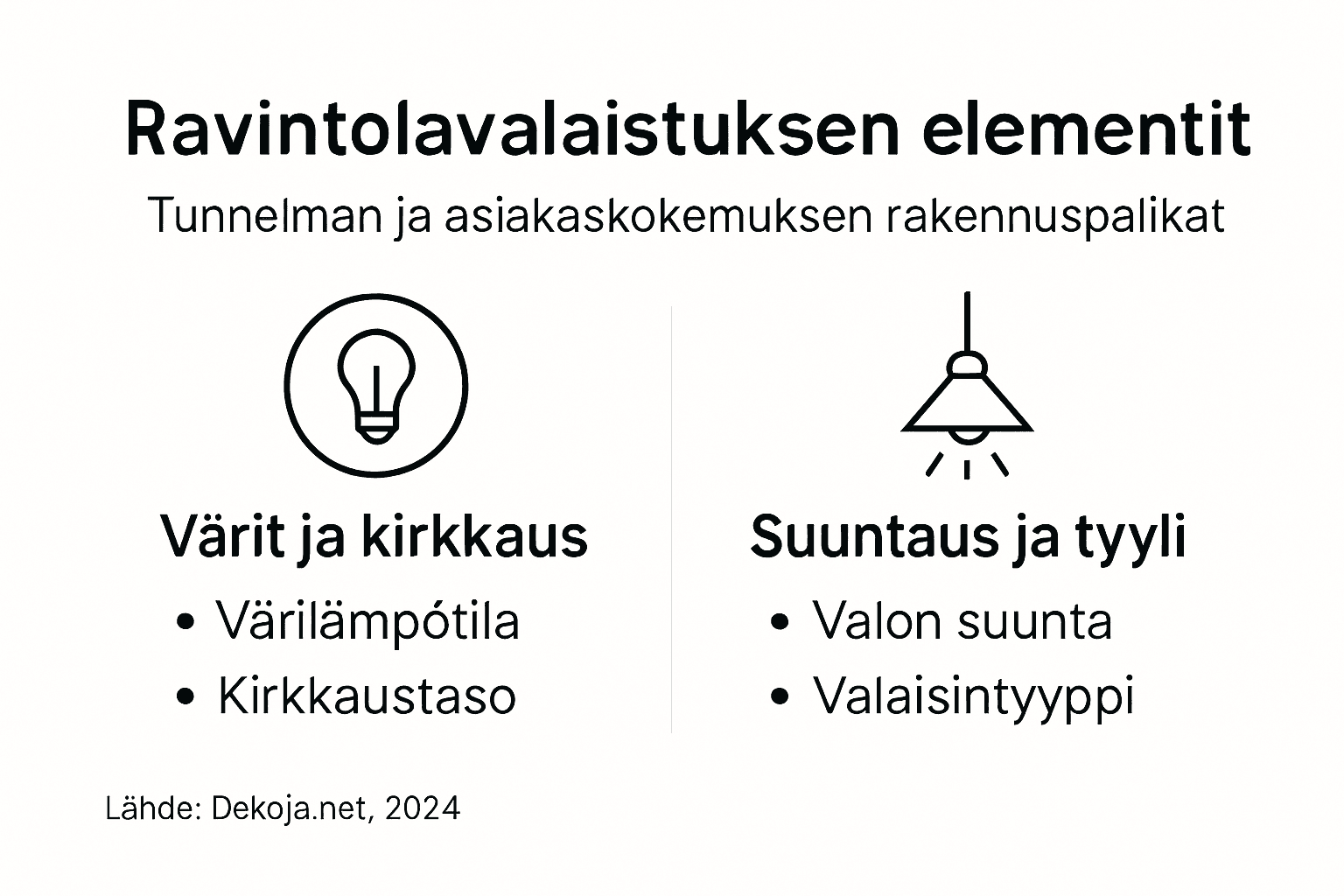
Color temperature, brightness, and light direction are key elements that shape the customer experience. For example, soft, warm lighting can create an intimate and peaceful atmosphere, while brighter, sharper lights can bring energy and vibrancy to a space. From a brand perspective, lighting is a powerful tool that can reinforce a restaurant’s story and distinctiveness.
Pro tip: Test lighting settings at different times of day and in different situations to ensure they consistently support your restaurant’s brand.
Energy, costs and sustainable solutions
Energy analysis of smart lighting shows that modern lighting solutions can reduce a restaurant's energy consumption by up to 20-40%. LED technology plays a key role in this, consuming significantly less energy than traditional lighting technologies while offering long-term savings.
Energy-efficient lighting design is not just a technology, but a holistic approach. Lighting optimization techniques require careful planning that takes into account both light intensity and control technologies. Motion sensors, dimming solutions and automatic light control are key elements that enable intelligent energy use.
Modern restaurants can take advantage of ESCO financing models, where energy savings effectively pay for the investment. This means that upgrading lighting to new technologies does not pose a significant financial burden, but is rather a strategic investment for the future. Sustainable lighting solutions not only save money, but also create a positive corporate image as environmentally conscious operators.
Pro tip: Map your restaurant's current lighting energy consumption and compare it to the savings potential offered by LED technology.
The most common mistakes and how to avoid them in planning
Common pitfalls in restaurant lighting reveal that there are several common lighting design mistakes that can completely ruin the customer experience. Overly bright or uneven lighting can easily create an unpleasant atmosphere that repels customers.
Critical lighting design mistakes can be divided into three main types: under-dimensioning, over-dimensioning, and inappropriate use of light. Under-dimensioning creates a space that is too dark and oppressive, while over-dimensioning is dazzling and creates a sterile, hospital-like environment. Both of these destroy the restaurant’s atmosphere and customer experience.
The most important troubleshooting strategy is to understand that lighting is much more than just the amount of light. Dimmers, different types of lamps and color temperature control allow you to create a dynamic atmosphere. Professional design takes into account the requirements of different situations: breakfast, lunch, dinner and late-night atmosphere each require different lighting.
The table below summarizes the most common design errors in restaurant lighting and their related impacts on the customer experience:
| Error type | Impact on customers |
|---|---|
| Undersized light | Dark, oppressive atmosphere |
| Oversized light | A dazzling, unpleasant experience |
| Wrong orientation | Distraction, imbalance |
| One type of light | A flat and boring environment |
Pro tip: Always use at least three different types of lighting in your lighting design to create depth and multi-dimensionality.
Take your restaurant lighting to the next level and stand out from your competitors
Optimizing restaurant lighting is key to creating a welcoming environment for customers and creating brand identity. Precise lighting design, the use of the right materials, and the use of modern technologies can transform an ordinary space into an experience that will stay in the customers' minds for a long time. Dekoja.net offers innovative solutions such as the world's blackest Musou Black material, which with maximized contrast makes your restaurant lighting impressive and visually unique.
Don't let lighting conflict with the atmosphere and image of your restaurant. Explore Dekoja.net's selection, where you'll find stylish lamps and unique surfaces that enhance the effect of lighting. Take the first step towards an even more attractive restaurant space and visit our entire selection on Dekoja.net . Let us help you turn lighting into a competitive advantage that pulsates with customer experience.
Frequently asked questions
What is the importance of optimizing lighting in a restaurant?
Optimizing lighting improves the customer experience, creates the right atmosphere, and can directly impact a restaurant's success.
How do modern lighting technologies, such as LED lighting, affect a restaurant's energy efficiency?
LED lighting consumes less energy and offers a longer lifespan, resulting in significant savings in energy costs.
What are the most common mistakes in lighting design in a restaurant?
The most common mistakes are undersized and oversized lighting, as well as incorrect light direction, all of which can ruin the customer experience.
How does the color temperature of lighting affect the customer experience in a restaurant?
Color temperature can create different moods; for example, soft, warm light creates an intimate atmosphere, while brighter lights add energy and vibrancy.