

Fundamentals of Outdoor Aesthetics: A Guide for Designers
Many believe that outdoor aesthetics are merely about surface and style. In reality, the right material choices determine both the visual appearance and the functionality of the space for decades. In Finland's demanding climate, a designer's choices decide whether the space's character and safety are preserved throughout the seasons. This guide covers materials, lighting, and architectural details that create a durable and visually appealing outdoor space for restaurants and public areas.
Table of Contents
- Key Points on the Fundamentals of Outdoor Aesthetics
- Material Selection as the Foundation of Outdoor Aesthetics
- Seamless Connection between Indoor and Outdoor Spaces and Optical Materials
- The Role of Lighting in Outdoor Aesthetics and Safety
- Details and Closeness to Nature in Outdoor Aesthetic Design
- Explore Dekoja.net's Material and Interior Solutions
- Frequently Asked Questions about Outdoor Aesthetics
Key Considerations
| Point | Details |
|---|---|
| Durability and visual harmony | Durability and visual harmony create lasting and beautiful outdoor spaces in the Finnish climate. |
| Water absorption less than three percent | Water absorption must remain below three percent for the surface to maintain its structure and color year after year. |
| Anti-slip classifications R10 R11 | Anti-slip classifications R10 or R11 are critical for safety, while maintaining a pleasant feel. |
| Glass surfaces create spatial connection | Glass surfaces and large windows create seamless continuity between indoor and outdoor spaces and increase natural light. |
Material Selection as the Foundation of Outdoor Aesthetics
The aesthetics of outdoor spaces are defined by materials that combine durability and visual appeal in the Finnish climate. Nordic weather conditions place specific demands on materials. Frost resistance, low water absorption, and anti-slip properties are essential features that must not compromise aesthetic appearance.
When designing a restaurant terrace or a public outdoor area, the material's water absorption should be less than three percent. This prevents frost damage and ensures that the surface maintains its structure and color year after year. An anti-slip rating of R10 or R11 is critical for safety, but it does not mean a rough or unpleasant surface. Modern materials offer a secure grip while maintaining a smooth and visually pleasing texture.
Wood, brick, and glass form a classic trio that suits both modern and traditional styles. Wood brings warmth and organic feel, brick durability and timelessness, glass openness and brightness. The combination of these materials creates layering and depth in the space. Material selection for a garden requires an understanding of how different surfaces react to light, moisture, and temperature fluctuations.
Comparison of materials for outdoor spaces:
| Material | Frost Resistance | Water Absorption | Anti-slip Rating | Suitability |
|---|---|---|---|---|
| Granite | Excellent | <0.5% | R11 | Public spaces, terraces |
| Ceramic Tile | Good | <3% | R10-R11 | Restaurants, entrances |
| Natural Stone | Varies | 1-5% | R10 | Paths, accents |
| Wood Composite | Good | <1% | R9-R10 | Terraces, railings |
| Concrete Slabs | Excellent | <3% | R11 | Courtyards, parking lots |
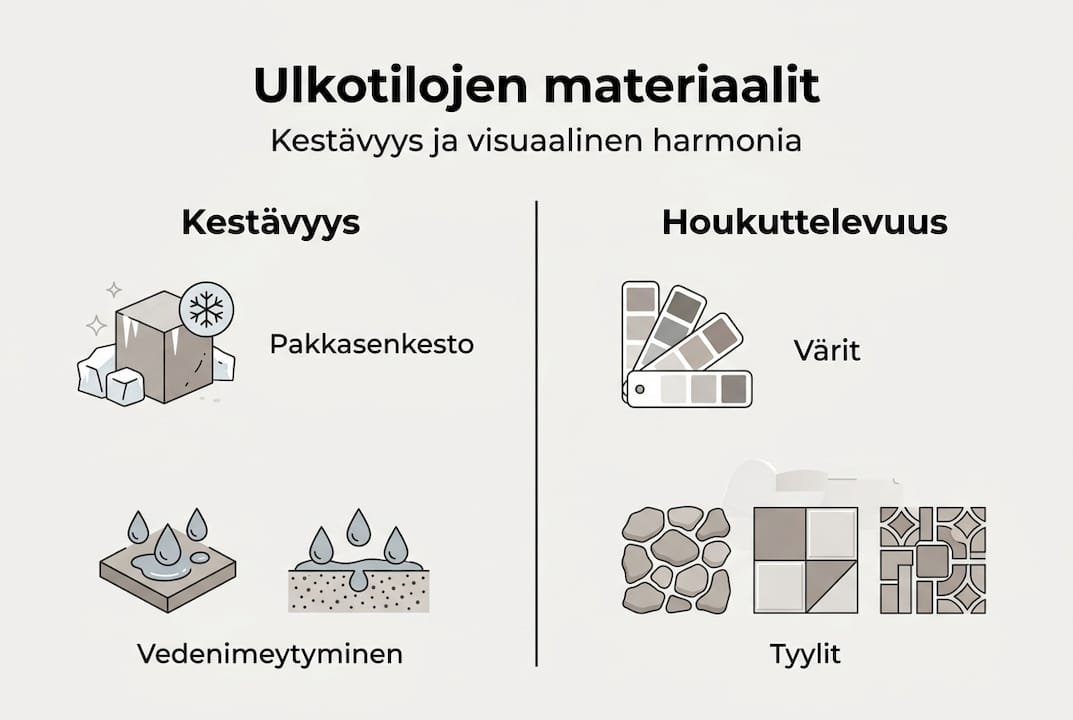
Professional tip: Choose materials that reflect the style and color scheme of the surrounding architecture. If the building has dark shades, continue the same line in outdoor areas to create visual continuity. Don't be afraid of contrasts, but make sure they support the overall design and don't break it.
Materials are not just about technical properties. They create an atmosphere and tell a story about the space. When you carefully select tiles for outdoor areas, you give the space an identity that will last for decades. The surface treatment of materials affects both appearance and maintainability, so consider in advance how much maintenance the client is willing to do.
Seamless Connection between Indoor and Outdoor Spaces and Optical Materials
A seamless connection between indoor and outdoor spaces and continuity of materials are central to modern architecture. Large window surfaces and opening patio doors blur the line between indoor and outdoor areas. This visual continuum creates a sense of space and brings natural light deep into the interior.
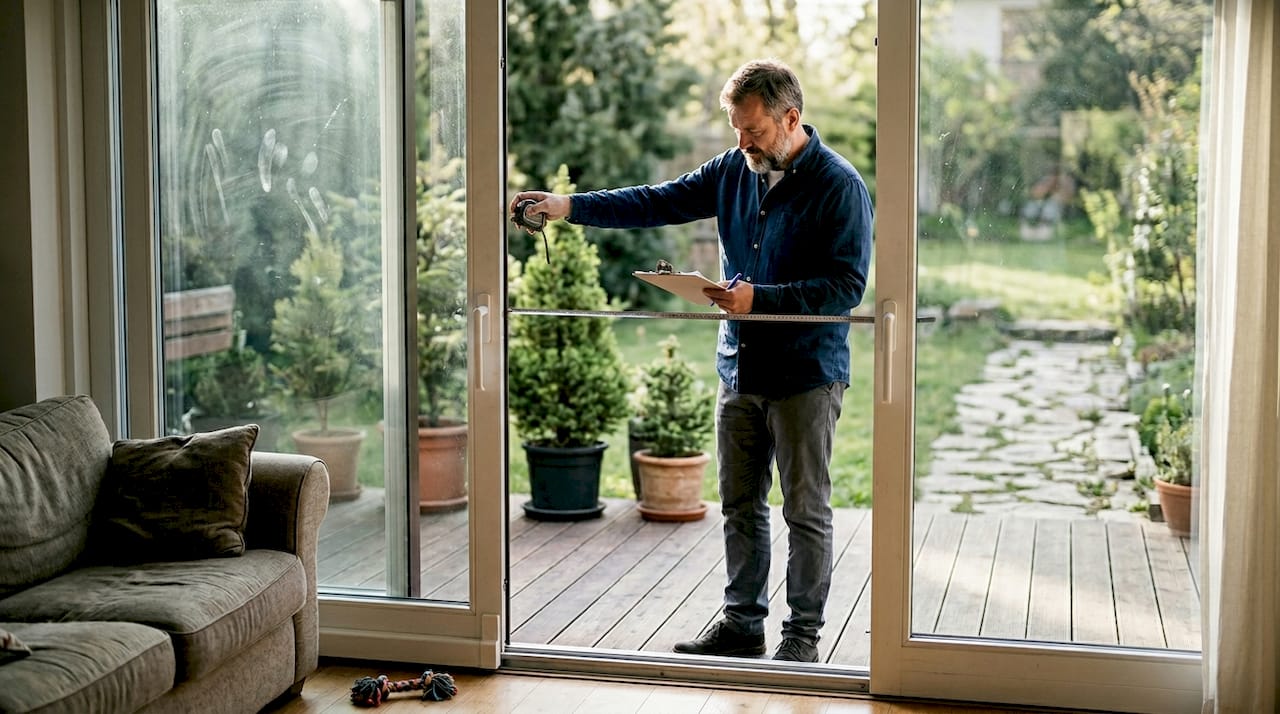
Glass surfaces are not just a visual connection to the outside. They change the character of the space and affect how users experience the place. When the same flooring material extends from inside to out, or when the color scheme of interior walls is reflected in outdoor surfaces, a harmonious whole is created. This requires careful planning and an understanding of how different materials behave in different environments.
Terraces act as a bridge between these two worlds. They are neither merely an outdoor space nor an extension of an indoor space, but something in between. This intermediate space offers unique opportunities for creative design. You can use materials that work in both environments, or create deliberate contrasts that emphasize the transition.
- Large glass surfaces visually connect spaces and increase the amount of natural light
- Harmonious material continuity creates a seamless experience for the user
- Terraces serve as transitional spaces that connect the inner and outer worlds
- Insulated glass and energy-efficient solutions allow for large window surfaces without heat loss
The cornerstone of modern design is the ability to create spaces where indoor and outdoor merge naturally. Material choices are key to this experience.
Aesthetic space design requires an understanding of optical materials and their effect on the experience of space. A reflective surface can expand the sense of space, while a matte surface creates a more intimate atmosphere. The placement of glass surfaces affects how light moves through the space at different times of the day.
Professional tip: Use optical materials strategically. A reflective surface can double a view or create an illusion of a larger space. But too much reflection can cause glare and discomfort. Balance reflective and matte surfaces to create a visually interesting but practical whole.
Energy efficiency is not the opposite of aesthetics. Tips for modern architecture show that insulated glass and well-considered material choices can improve both energy efficiency and visual appeal. Triple glazing and low-emissivity coatings are not visible from the outside, but they allow for large window surfaces without heat loss.
The Role of Lighting in Outdoor Aesthetics and Safety
Outdoor lighting increases safety and simultaneously enhances the visual appeal of the space, especially in dim light. Lighting is not an afterthought but an integral part of the design. It determines how the space functions and feels as evening falls.
Well-designed lighting accentuates architectural features and creates layered depth. Upward-facing light highlights tree trunks or a building's facade. Path edge lighting guides movement and creates safety without tripping or dazzling. Accent lighting brings out details such as sculptures or specific plants.
The color temperature of lighting significantly affects the atmosphere. Warm white light creates an inviting and pleasant atmosphere, while cooler light suits a modern and minimalist style. Do not use overly bright light, as it destroys the mood and causes glare. Dimmer, well-placed light is more effective and pleasant.
- Safety improves when pathways, stairs, and level changes are clearly lit
- Comfort increases when lighting creates a warm and inviting atmosphere
- Atmosphere creation is successful by adjusting light color temperature and intensity
- Practicality improves when lighting allows the space to be used even in the dark
- Energy efficiency is achieved with LED technology and motion sensors
Professional tip: Use motion-sensor lights to increase energy efficiency. They only turn on when needed, but you can program basic lighting to stay on to create a continuous ambiance. Combine different types of luminaires to create layering and flexibility.
Material choices for experiential spaces are complemented by appropriate lighting. Light changes the appearance of materials and brings out their texture and color. A rough stone surface looks different at dawn than in artificial light. Test lighting solutions at different times of the day to ensure the final result matches the goal.
Smart lighting solutions allow for programmed lighting scenarios for various situations. On a restaurant terrace, you can create a different ambiance for lunch and dinner. In public spaces, lighting can adapt to the season and events. This flexibility increases the usability and value of the space.
Outdoor lighting tips emphasize that less is often more. Do not over-illuminate the space, but create focal points and shadows. Shadows are as important as light, as they create contrast and depth. Well-designed lighting guides the eye and creates interesting views without feeling forced.
Details and Closeness to Nature in Outdoor Aesthetic Design
Wooden railings and natural materials bring contrast and warmth to outdoor spaces, adapting to the architectural style. Details are not just decorations; they define the character and user experience of the space. Wooden railings serve as both a safety element and a visual boundary.
Different wood species offer varying properties and atmospheres. Pine is affordable and easy to work with but requires regular maintenance. Larch is more durable and retains its color better without treatment. Tropical timber, such as teak, is very durable but more expensive and ecologically questionable.
Comparison of wood species for railings:
| Wood Species | Durability | Maintenance Need | Style | Price |
|---|---|---|---|---|
| Pine | Moderate | High | Traditional | Affordable |
| Larch | Good | Low | Modern | Medium |
| Teak | Excellent | Low | Luxurious | High |
| Wood Composite | Excellent | Very Low | Modern | Medium |
| Thermo-treated Aspen | Good | Low | Scandinavian | Medium |
Urban gardens improve the aesthetics of a space and provide privacy and sound insulation. Vertical green walls bring nature close without occupying floor space. They function as visual elements, acoustic buffers, and air purifiers.
In an urban environment, vegetation is particularly valuable. It softens hard surfaces, bringing color and life amidst concrete and glass. A well-designed urban garden does not require constant maintenance when you choose the right plants and irrigation system.
- Comfort increases when natural elements bring peace and greenery
- Aesthetics improve when vegetation softens architectural lines
- Sound insulation is achieved when plants absorb sounds and reduce echoes
- The presence of nature improves well-being and reduces stress levels
- Privacy increases when vegetation acts as a natural visual screen
Detail design tips:
- Proportions: Ensure that the height of railings and other elements is in harmony with the building's scale.
- Style coordination: Combine modern and traditional thoughtfully; do not mix too many different elements.
- Amount of materials: Limit the material palette to three or four main materials to maintain consistency.
- Color combinations: Choose a color palette that supports the shades of the building and environment.
- Maintainability: Design details so they are easily accessible and maintainable.
Professional tip: Utilize vegetation also to create visual continuity between indoor and outdoor spaces. Place the same plants or species belonging to the same plant family on both sides of the glass. This strengthens the connection and creates a harmonious whole.
Material selection for a garden also extends to planting containers and support structures. Choose materials that can withstand moisture and UV radiation. Stainless steel, aluminum, and high-quality plastic are durable options. Avoid cheap materials that break down quickly and spoil the overall appearance.
Patience and meticulousness are emphasized in detail design. Do not rush decisions, but allow the plan to mature. Test different combinations and visualize the end result. Small details make the difference between mediocre and excellent design.
The impact of wooden railings on the overall appearance is significant because they are often at eye level and form a visible part of the building's facade. Their lines and rhythm affect how the building is perceived as a whole. Horizontal lines emphasize width, vertical lines height.
Urban garden plant selections require an understanding of the local climate and plant needs. Choose species that thrive in Finnish conditions and can withstand the challenges of an urban environment, such as air pollution and limited growing space. Perennial plants are more durable and require less maintenance than annuals.
Explore Dekoja.net's Material and Interior Solutions
Successful outdoor space design is always underpinned by the right materials and expert execution. Dekoja.net offers specialized materials that help create spaces that stand out and evoke emotions. You'll find solutions from us that others don't offer.

We specialize in optical materials and effect surfaces that transform the look of spaces. Super black surfaces create depth and contrast, anti-reflective materials eliminate distracting reflections, and optical illusions bring a new dimension to design. These solutions are particularly suitable for restaurants, galleries, and public spaces where visual appearance is critical.
We assist with projects from start to finish. You'll get an expert from us who understands the designer's needs and challenges. Fast deliveries from our domestic warehouse, 1-3 business days. B2B service for projects and design offices.
Frequently Asked Questions about Outdoor Aesthetics
Which materials are best suited for outdoor spaces in the Finnish climate?
Frost-resistant materials with water absorption under three percent perform reliably. Granite, ceramic tile, and wood composite are excellent choices that withstand temperature fluctuations and moisture. Also, ensure adequate slip resistance, at least class R10.
How do I combine modern and traditional styles in outdoor spaces?
Use common materials or colours as a link between styles. A modern glass surface can be combined with traditional brick walls when the colour scheme and proportions have been carefully considered. Do not mix too many elements; instead, let one style dominate and use the other as an accent.
What kind of lighting best highlights the aesthetics of outdoor spaces?
Layered lighting that combines uplighting, pathway lighting, and spotlights. Use warm white light to create atmosphere and avoid overly bright lighting. Motion sensors increase energy efficiency and practicality.
How do I combine vegetation with hard materials?
Strategically place plants to soften hard lines and create contrast. Vertical green walls work well in small spaces. Choose plants that are suitable for the Finnish climate and require little maintenance. Repeat the same species indoors and outdoors to create visual continuity.
How do I maintain the appearance and safety of materials over time?
Regular cleaning and inspections prevent larger problems. Wood surfaces require treatment every 2-3 years, stone materials less frequently. Check slip resistance annually and renew if necessary. From the outset, choose materials that age beautifully and require little maintenance.