

Technology in spatial planning – a new competitive advantage
The transformation brought by new materials and technology is increasingly evident in spatial design. As designers aim to combine aesthetics and functionality, non-reflective materials such as Musou Black offer unprecedented opportunities for creative expression and distinctive contrast. Combining environmental friendliness and a long life cycle with innovation is the key to sustainable and impactful spatial design in the demanding Finnish market.
Table of contents
- The role of technology in spatial design
- Innovative materials and their benefits
- Musou black properties and uses
- The importance of visual contrast in spaces
- Implementation risks and most common mistakes
Key findings
| Paragraph | Detail |
|---|---|
| Utilizing technology | Digital tools improve the efficiency of spatial planning and enable more complex solutions. |
| The importance of innovative materials | Smart and environmentally friendly materials improve the durability and functionality of spaces. |
| The role of visual contrast | Good contrast adds depth to spaces and significantly affects the user experience. |
| Risk management | Accurate risk identification and management are key to successful construction projects. |
The role of technology in spatial design
Technology has fundamentally changed the practice of spatial design. Designers can now utilize digital tools that enable the creation of ever more complex and innovative solutions. Intelligent interior design solutions have emerged as a key competitive advantage in modern design.
Digital design tools offer several advantages to spatial designers:
- 3D modeling enables complete visualization of spaces before implementation
- Virtual planning saves time and resources
- Precise measurement tools improve design accuracy
- Real-time collaboration with customers becomes easier
The spatial design of the future will increasingly be based on technological innovations. Smart materials, interactive surfaces and energy-efficient solutions are changing our perception of the functionality and aesthetics of spaces. Technology is no longer just an auxiliary tool, but a central part of the creative design process.
Pro tip: Stay up-to-date with new technological innovations and invest in digital design tools to advance in your field.
Innovative materials and their benefits
Innovative materials have revolutionized the possibilities of spatial design, offering smarter and more sustainable solutions. Future-proof spatial design combines sustainability thinking, design expertise and technology in a completely new way.
Modern innovative materials have several significant advantages:
- Environmentally friendly material choices
- Long-lasting and sustainable construction
- Lower carbon emissions
- Better recyclability
- Smart features such as temperature and light control
Responsible material choices have become a key competitive advantage in space design. Innovative recycled materials enable more ecological and cost-effective solutions that take the entire life cycle of materials into account.
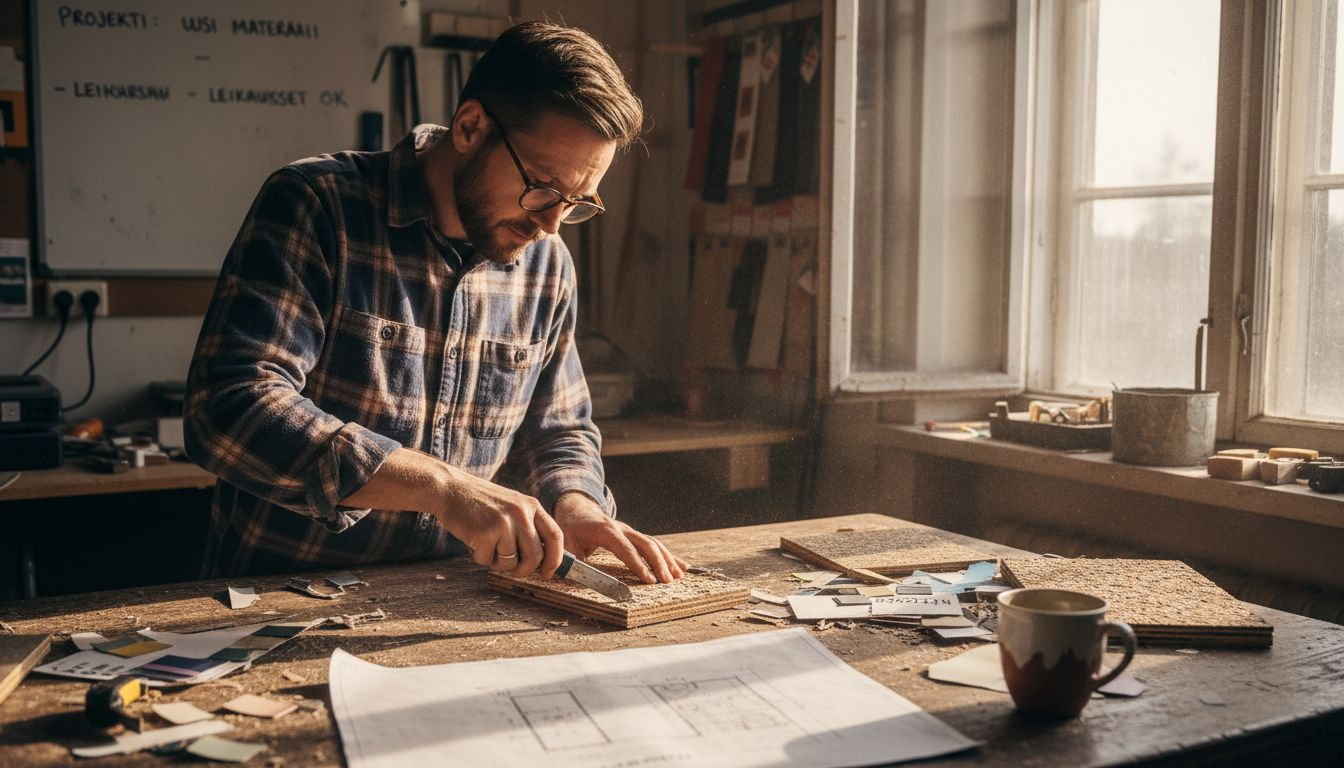
The future of spatial design is increasingly based on smart materials that react to their environment, change shape or interact with users. These materials are not just an aesthetic choice, but a strategic solution that improves the functionality and user experience of spaces.
Pro tip: Constantly learn about new material technologies and evaluate their suitability for your own projects over the long term.
Below we summarize the key differences and connections between technological and material developments in spatial design:
| Feature | Technological development | Innovative materials |
|---|---|---|
| Main goal | Streamline the design process | Improves the quality and sustainability of facilities |
| Support for creativity | Enables complex solutions | Offers new functional options |
| Sustainability perspective | Reduce resource consumption with digital tools | Reduces environmental impact and emissions |
| Customer interaction | Facilitates real-time collaboration | Enables individual, adaptable solutions |
Musou Black's properties and uses
Musou Black paint is a revolutionary material that absorbs an incredible 99.4% of the light that falls on it. This water-based acrylic paint creates a completely matte finish that challenges traditional notions of black surfaces.
Musou Black's unique features:
- Absorbs 99.4% of visible light
- Creates an optical illusion of an almost two-dimensional surface
- Suitable for both artistic and technical applications
- Allows for perfect visual contrast
- Works great for accent lighting
Visual technology has revolutionized the possibilities of spatial design. Musou Black offers a completely new way to create depth and dramaturgy in spaces.
Applications range from art to architecture, from exhibition spaces to home interiors. Musou Black transforms the perception of space, creating dazzling visual effects where light and shadow take on a whole new meaning. It is more than just paint - it is a strategic tool that challenges traditional perceptions of surface materials.
Pro tip: Feel free to try Musou Black in different contexts and see how it changes the dynamics of the space in completely unexpected ways.
The following table illustrates the differences between Musou Black paint and traditional black paint in space design:
| Feature | Musou Black paint | Plain black paint |
|---|---|---|
| Light absorption | 99.4% | 80–90% |
| Visual impact | Extremely deep black | Plain matte black |
| Applicability in art | Create optical illusions | Traditional background paint |
| Price level | Advanced | Cheaper |
The importance of visual contrast in spaces
Visual contrast is the most important element in spatial design, guiding the eye, evoking emotions, and creating depth and dynamics in a space. It is much more than just an aesthetic choice - it is a strategic tool that can influence the experience and functionality of a space.
Basic elements of visual contrast:
- The tension between colors
- Texture differences between materials
- The interaction of light and shadow
- Surface depth variations
- Variations in shapes and proportions
The importance of contrast in spatial design goes much deeper than the surface.The principles of functional spatial design show that contrast helps guide a person's movement, focus, and experience in a space.
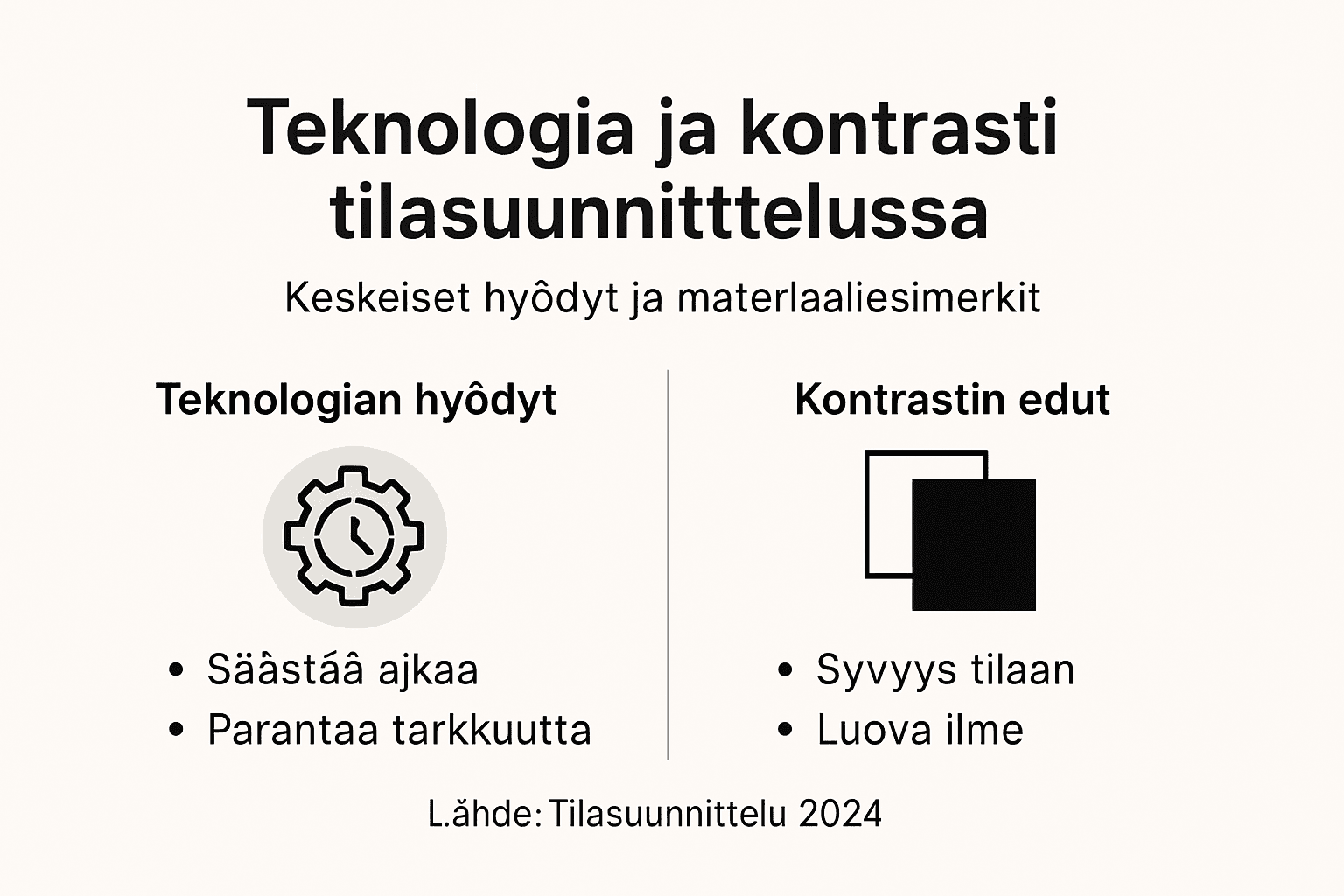
At its best, visual contrast creates a layered space where each element communicates with the other. It can highlight architectural details, blur boundaries, or create entirely new perspectives. Mastering contrast requires a keen eye and an understanding of how different elements interact.
Pro tip: Experiment with contrast - don't be afraid to combine opposing elements, because that's where the real power of design lies.
Implementation risks and most common mistakes
The success of a construction project requires accurate risk identification and management. In spatial planning, mistakes can be costly, which is why prevention is key.
The most common risks and mistakes in space planning:
- Unclear project goals
- Budget underestimation
- Unrealistic schedule planning
- Lack of communication between stakeholders
- Ignoring technical details
Critical challenges in spatial design arise in complex projects. Key mistakes in workspace design often involve ignoring ergonomics, acoustics, and brand identity.
The more complex the project, the more important it is to be prepared for potential problems. The risks are not only financial, but can also affect the functionality and user experience of the entire space. A professional designer identifies potential pitfalls in advance and prepares for them strategically.
Pro tip: Document each stage of the project carefully and hold regular meetings to review potential risks and how to prepare for them.
Technology and visual contrast as a source of new competitive advantage
In spatial design, technological innovation and visual contrast are key when it comes to creating impactful and experiential spaces. When the design challenge is to achieve unique depth and dramatic impact in a space, a material like Musou Black offers a solution that elevates the spatial experience to a whole new level. Modern design tools and smart materials open doors to creativity, but the real competitive advantage comes from managing visual contrast and utilizing technological precision.
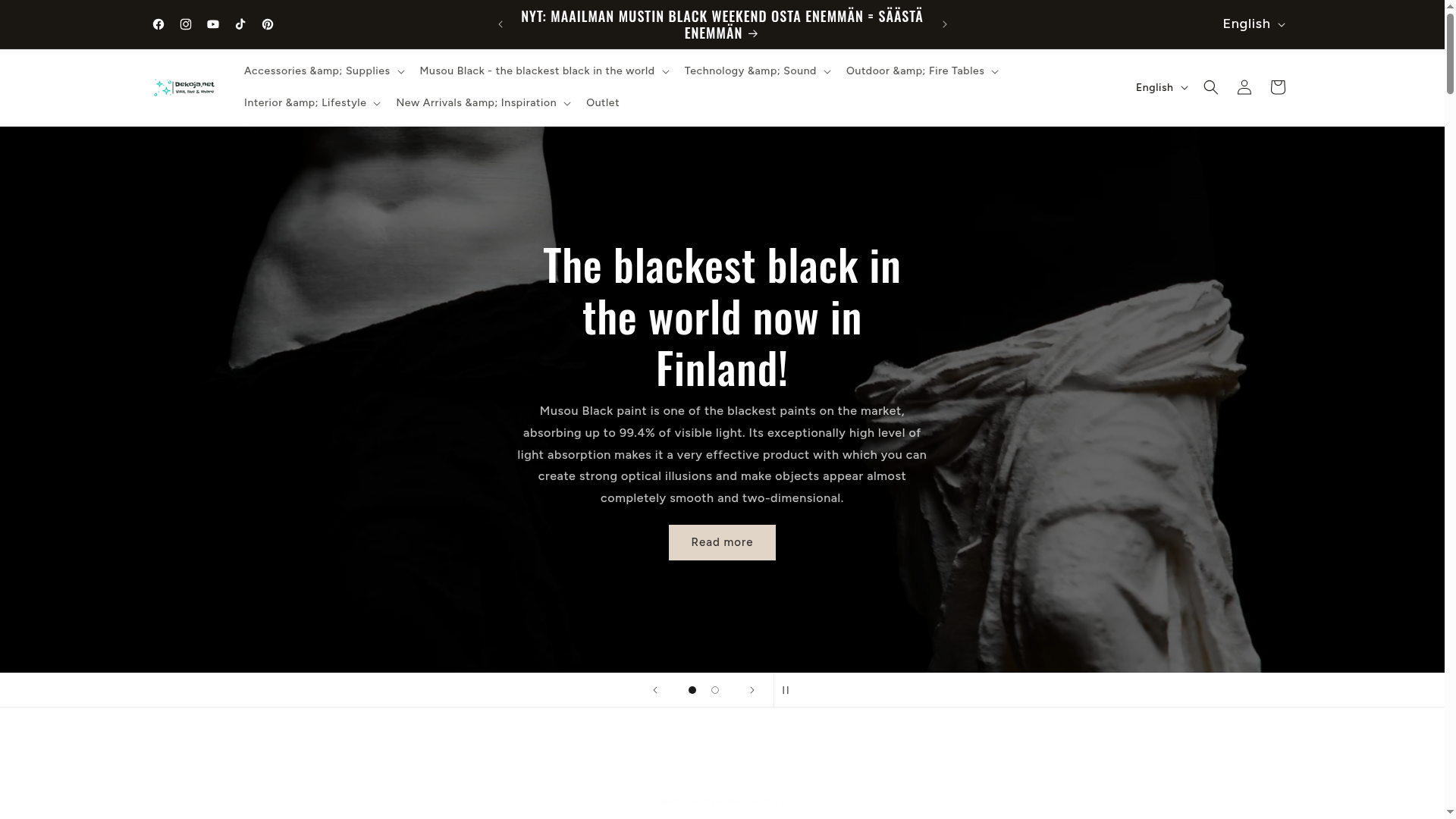
Do you want to utilize the possibilities offered by technology in your own space design project and create spaces that will remain in the viewer's memory? Discover Dekoja.net's selection , which combines innovative materials such as Musou Black with efficient lighting solutions. You will also find a wide selection of lamps that complement the space experience to perfection. Step into the future of design and contact us today.
Frequently Asked Questions
What are the advantages of digital design tools in spatial planning?
Digital design tools, such as 3D modeling and real-time collaboration, enable complete visualization of spaces before construction, saving time and resources and improving the accuracy of designs.
How do smart materials affect spatial design?
Smart materials can transform the functionality and aesthetics of spaces, providing environmentally friendly, sustainable and innovative solutions that respond to their environment and enhance the user experience.
What is the significance of Musou Black in spatial design?
Musou Black is a unique paint that absorbs 99.4% of light, creating optical illusions and allowing for the addition of depth and drama to spaces, opening up new possibilities in spatial design.
What are the most common mistakes in spatial planning?
The most common mistakes include unclear project objectives, underestimated budgets, unrealistic schedules, poor communication between stakeholders, and ignoring technical details.
Recommendation
- Interior Design Competitive Advantage 2025 – Maximize the Visual Experience – Dekoja.net
- Interior Design Competitive Advantage 2025 – Maximize the Visual Experience – Dekoja.net
- Interior Design Competitive Advantage 2025 – Maximize the Visual Experience – Dekoja.net
- Interior Design Competitive Advantage 2025 – Maximize the Visual Experience – Dekoja.net