

Interior Design Element Combination Guide 2026: Harmony and Space
Harmoniously combining interior design elements is one of the biggest challenges for a professional. The balance of colors, materials, and textures determines whether a space feels finished or cluttered. This guide offers concrete tips and examples for utilizing optical illusions to create spaces that evoke emotions and are practical. It includes step-by-step instructions for building a cohesive and functional whole for restaurants, galleries, or other spaces designed for professional use.
Contents
- Key Learnings for Combining Interior Design Elements
- Preparation Phase for Combining Interior Design Elements
- Implementation of Interior Design Element Combinations: Colors, Textures, and Materials
- Utilizing Optical Illusions to Enhance the Sense of Space
- Combining Interior Design Elements: Specific Features of Restaurant Spaces
- Explore Dekoja.net's Interior Design Solutions
- Frequently Asked Questions About Combining Interior Design Elements
Key Learnings for Combining Interior Design Elements
| Point | Details |
|---|---|
| Neutral color palette | The foundation of harmony comes from calm base colors, with carefully chosen accents added |
| Limiting textures | Limit the textures used in a space to three or four main elements to maintain clarity |
| Optical illusions | Mirrors, vertical lines, and material choices effectively expand the sense of space |
| Specific features of restaurant interiors | Acoustics, modularity, and contrast surfaces are key to a functional restaurant interior |
Preparation Phase for Combining Interior Design Elements
The preparation phase lays the groundwork for successful combination of interior design elements. Without careful planning and material selection, the end result can easily become fragmented. Professionals must understand how different elements interact and how they serve the space's intended purpose.
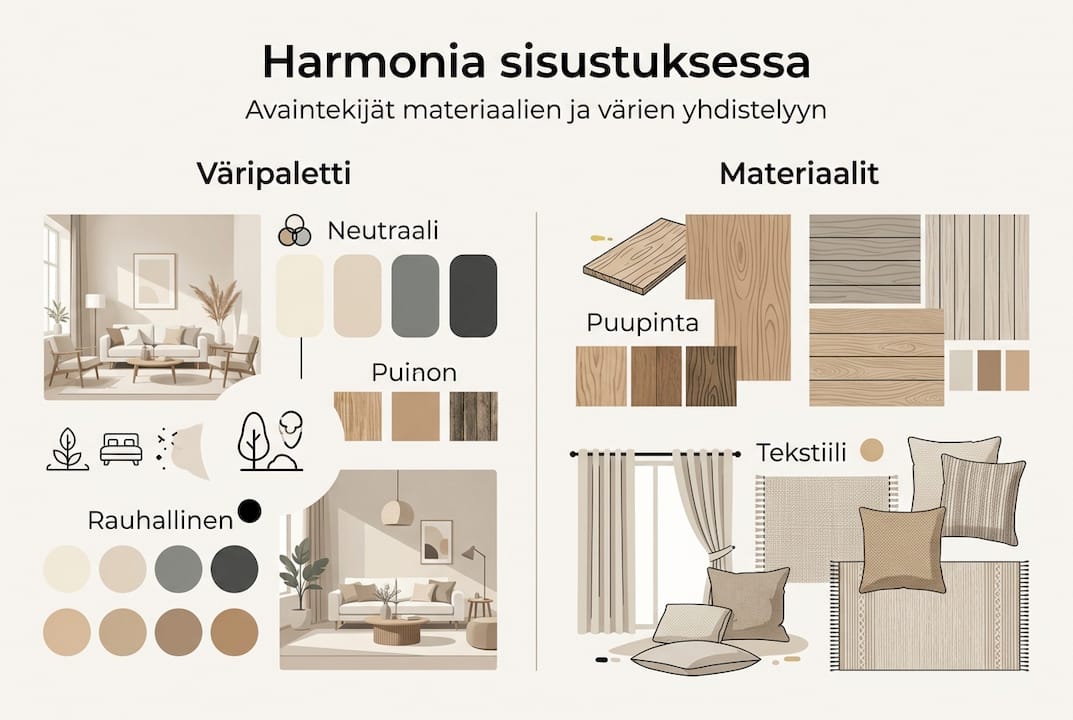
A neutral color palette serves as a reliable foundation for all interior design projects. Gray, white, beige, and black shades create a calm background, allowing you to add accent colors in a controlled manner. This approach prevents visual overload and provides space to emphasize certain elements. The mechanics of combining include a neutral color palette, material balance, and a clear unifying element that ties the whole together.
Material balance is another key factor. Combine hard and soft surfaces, cold and warm materials. For example, a combination of metal and wood creates an interesting contrast that adds depth to the space. Glass and natural stone, on the other hand, bring lightness and organic quality. However, avoid combining too many materials in the same space, as it will break up visual unity.
For textures, it's advisable to follow the rule of three or four elements. Limit the main materials in a space to, for instance, a smooth surface, a shaggy fabric, glossy metal, and natural stone. This keeps the space visually clear and easily comprehensible. Too many textures in the same space create restlessness and make it difficult for the eye to rest.
A unifying element ties all selections together. It can be a recurring color, a specific material, or a design language that runs throughout the space. For example, brass-toned details in light fixtures, handles, and frames create unity, even if other elements vary. The selection of materials in space planning determines the final atmosphere and functionality.
| Material Combination | Suitability | Impression |
|---|---|---|
| Metal + wood | Restaurants, galleries | Warm, industrial |
| Glass + natural stone | Hotels, reception areas | Light, organic |
| Concrete + textile | Modern offices | Raw, soft contrast |
| Black surface + light | Exhibition spaces, studios | Dramatic, deep |
Professional tip: In larger spaces, the number of textures can increase slightly, but still maintain a controlled overall look. Divide the space into visual zones, each with its own emphasis on a texture palette. This prevents a messy impression and creates interesting areas that still communicate with each other.
Implementation of Interior Design Element Combinations: Colors, Textures, and Materials
In the implementation phase, theory translates into concrete choices. Start by defining a dominant texture that covers about 80 percent of the space's surfaces. This could be a smooth wall surface, a wooden floor, or a textile floor. The remaining 20 percent is reserved for accent elements that bring contrast and interest. In combining interior design elements, a neutral base and accents form the harmony behind this 80/20 ratio.
The color palette is built in layers. Start with neutral base colors and then add 1-2 accent colors. Accent colors can be bolder, but they should be repeated in several elements. If you choose dark blue as an accent color, use it in pillows, artworks, and perhaps one piece of furniture. This repetition creates visual rhythm and unity.
Shapes and lines impact just as much as colors and materials. Round shapes soften the space, while straight lines bring order and a modern style. Combine both in a balanced way. For example, rectangular tables and round light fixtures create an interesting dialogue. Don't forget vertical lines, which visually raise the ceiling and make the space feel taller.
- Determine the primary purpose of the space and the atmosphere you wish to create.
- Choose a neutral base color for walls and floors that supports the desired atmosphere.
- Add 1-2 dominant materials that cover most surfaces.
- Incorporate 2-3 accent materials or textures for smaller elements.
- Select 1-2 accent colors that repeat in at least three different elements.
- Test combinations with small samples before final purchases.
- Finalize details and ensure all elements communicate with each other.
| Comparison | Metal + Wood | Glass + Natural Stone |
|---|---|---|
| Visual warmth | Warm, cozier | Cooler, fresh |
| Suitability | Restaurants, bars | Hotels, galleries |
| Maintenance requirement | Medium | Demanding |
| Acoustics | Good when combined with textiles | Requires additional solutions |
Professional tip: Combine the shapes and lines of surfaces to enhance unity. If the floor has a strong pattern, keep walls and furniture simple. Conversely, if walls have texture or pattern, choose more understated flooring and furniture. This balance prevents visual competition and creates a calm yet interesting overall look.
When selecting material pairs, practical considerations should also be taken into account. In restaurant spaces, floor materials must withstand wear and be easy to clean. You can be bolder with wall surfaces, as they are not subject to the same strain. Aesthetic Space Materials 2026 offers new opportunities to combine beauty and functionality.
In color combinations, you can utilize the color wheel. Adjacent colors create a harmonious and calm atmosphere, while opposing colors bring energy and contrast. A monochromatic approach, where you use different shades of a single color, is a safe choice and works particularly well in small spaces. Add depth by varying the intensity of the shade on different surfaces.
Utilizing Optical Illusions to Enhance the Sense of Space
Optical illusions are an effective way to expand the perception of space without structural changes. Mirrors are a classic solution that multiplies the amount of space and light. Strategically place mirrors to reflect interesting elements or natural light. However, avoid excessively large mirror surfaces in small spaces, as they can create a disorienting effect.
Vertical lines visually raise the ceiling. Use long curtains, vertical paneling, or tall shelves that draw the eye upwards. This technique works particularly well in low-ceilinged spaces where a sense of height is desired. Combine vertical lines with light colors for maximum impact.
Large rugs and floor patterns can either expand or narrow a space. Longitudinal patterns make a room appear longer, while transverse patterns widen the space. A solid-colored, large rug creates a unified surface that makes the space appear larger. Avoid small rugs that break up the floor and make the space seem smaller.
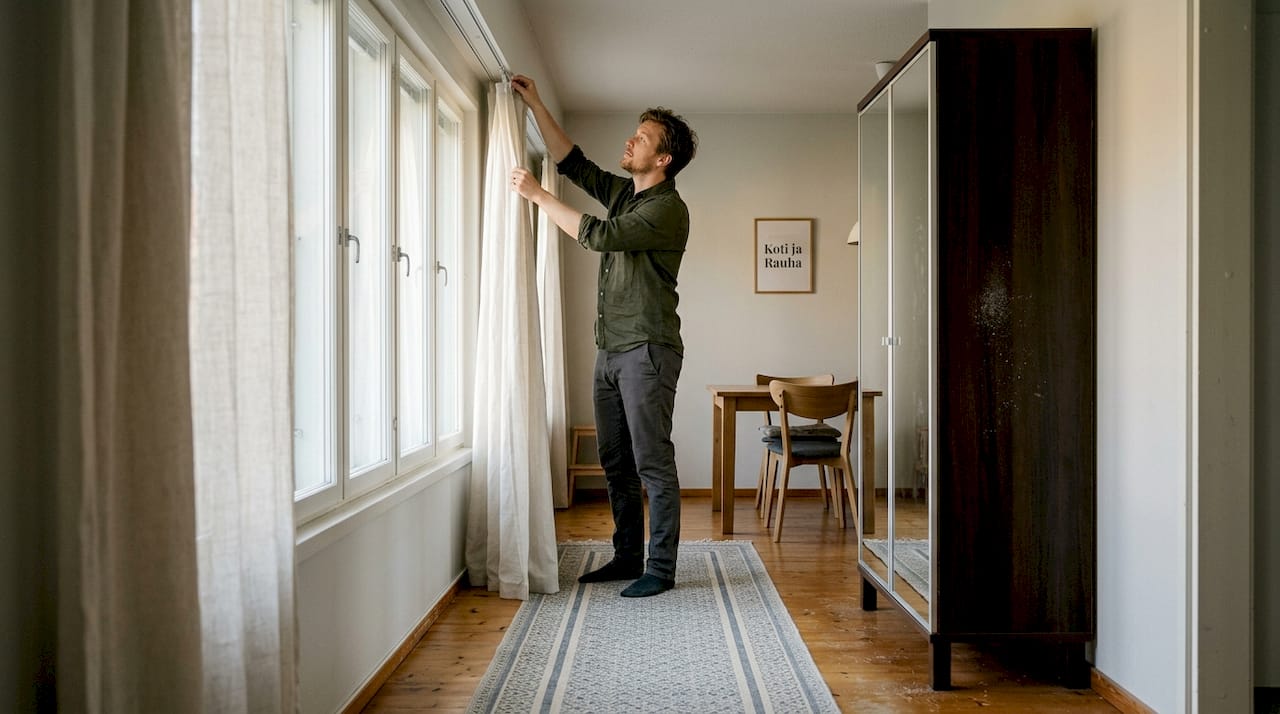
Textures and materials create spatial illusions; for example, mirrors effectively multiply the amount of space and light. This principle also applies to other reflective surfaces, such as glossy tiles or metal surfaces. They add depth and movement to the space, even if they are not actual mirrors.
Acoustic solutions are important, especially in restaurants and galleries where hard surfaces are combined. Textiles, acoustic panels, and soft materials absorb sound and significantly improve the customer experience. These elements can be integrated into the interior design so that they function both aesthetically and functionally. Emphasize light in restaurant interiors while managing acoustics.
Professional tip: Use non-reflective matte surfaces, such as Musou Black, to achieve a strong immersive effect. Super black surfaces absorb light almost completely and create a sense of depth that makes other elements stand out sharply. This technique works excellently for accent walls and art galleries where the goal is to highlight artworks or products.
Mirrors and reflective surfaces are among the most powerful tools for interior designers to expand space. They not only double the visual space but also increase the amount of light and create a dynamic, living atmosphere that changes with the viewing angle.
Lighting is an essential part of optical illusions. Indirect lighting, reflected from the ceiling or walls, creates a soft and expansive effect. Spotlighting, on the other hand, emphasizes certain elements and creates depth. Combine both in a balanced way and avoid overly bright general lighting, which flattens the space.
Combining Interior Design Elements: Specific Features of Restaurant Spaces
Restaurant interior design emphasizes specific requirements that are not as critical in home use. Acoustics is the first of these. Hard surfaces, such as concrete, glass, and metal, create a beautiful modern look but strongly reflect sound. This leads to a noisy environment that disturbs customers' conversations and detracts from the dining experience.
For textures, even stricter limitations should be applied in restaurants. A maximum of three or four main elements keeps the space visually clear and easily comprehensible. Acoustics, modularity, and contrast colors emphasize the functionality and style of restaurant interiors. Too many textures in one space overload customers and make the environment feel restless.
Black and non-reflective surfaces create depth and contrast in restaurant spaces. They work excellently as accents, for example, on one wall or at ceiling height. Super black surfaces absorb light and make other elements, such as photographs, artworks, or food, stand out sharply. This creates a dramatic and memorable atmosphere that differentiates the restaurant from competitors.
Modular furniture supports the adaptability of the space. Restaurants need flexibility for different-sized customer groups and events. Easily movable tables, stackable chairs, and reconfigurable seating areas allow for quick arrangements without compromising the integrity of the interior design. Material choices for a restaurant space determine both aesthetics and practical functionality.
Acoustic panels and textiles significantly improve the customer experience. Integrated acoustic design doesn't mean ugly panels on the ceiling, but rather visually pleasing solutions that function as part of the decor. Upholstery, acoustic panels, textile walls, and soft surfaces of seating absorb sound effectively while bringing warmth and comfort to the space.
- Limit textures to three or four main elements to avoid overload
- Use black and non-reflective surfaces to create contrast and depth
- Choose modular furniture that supports the adaptability of the space
- Integrate acoustic solutions aesthetically into the interior design
- Combine hard and soft surfaces to achieve balance
- Design lighting in layers to optimize atmosphere and functionality
Layered lighting is particularly important in restaurants. General lighting is needed for functional purposes, but ambiance is created by accent lighting and indirect lighting. Dimmable lights allow for changing the atmosphere from a bright breakfast to an intimate dinner setting. Combine different light sources and temperatures to create depth and interest.
Practical tips for optimizing a restaurant environment also include considering maintenance and cleaning. Choose materials that withstand daily use and are easy to clean. This does not mean sacrificing style, but rather making smart choices that combine beauty and durability. Smart restaurant interior design ideas offer inspiration for functional and stylish solutions.
Explore Dekoja.net's Interior Design Solutions
Harmonious combination of interior design elements requires the right materials and expertise. Dekoja.net offers professionals unique solutions that cannot be found elsewhere. We specialize in super black surfaces, reflective materials, and optical illusions that create spaces evoking emotions.
Musou Black and our other special surfaces are perfect for contrast walls in restaurants, exhibition spaces in galleries, and modern interior design projects. We support projects from start to finish with the expertise you've been looking for. Fast deliveries directly from our domestic warehouse ensure your project stays on schedule. Explore our wide selection and inspiring solutions on the Dekoja.net website. Our B2B service supports design offices and professionals in all projects.
Frequently Asked Questions About Combining Interior Design Elements
How to choose compatible materials for small spaces?
In small spaces, it is advisable to favor light and reflective surfaces that expand the sense of space. Limit materials to two or three main elements and avoid overly strong contrasts. For example, combine light wood, glass, and one accent metal. Mirrors and glossy surfaces multiply light and create depth.
How many textures should be used at most in one room?
A professional recommendation is to have three or four main elements in one space. This keeps the overall design clear and easy to grasp. For example, a smooth wall surface, soft textile, shiny metal, and natural stone form a balanced combination. Too many textures create restlessness and make it difficult for the eye to rest.
How can optical illusions be utilized in small restaurant spaces?
Vertical lines, mirrors, and strategic lighting are effective methods. Position mirrors to reflect interesting elements or natural light. Use long curtains and tall shelves to visually raise the ceiling. Indirect lighting creates depth and expands the sense of space. Avoid overly bright general lighting, which flattens the space.
What to do if the combination feels cluttered or overloaded?
Remove elements one by one until you find a balance. Start by reducing colors and textures that are not essential for the space's function. Return to a neutral base and carefully reintroduce accents. Divide the space into visual zones, each with its own emphasis. This creates clarity and makes it easier to perceive.
What is the best way to combine different interior design styles into a harmonious whole?
Choose a unifying element that runs throughout the space. This could be a recurring color, material, or design language. For example, brass-toned details or a specific type of wood can tie different styles together. Use a neutral base color palette and allow styles to mix in accent elements. Avoid an overly even distribution; let one style dominate slightly.