

Role for the interior designer – Visual impact and distinction
Over 80 percent of people feel that their space directly affects their comfort and mood. The work of an interior designer extends far beyond color choices or furniture arrangement, as the designer transforms everyday environments into functional, inspiring and customer-facing entities. This topic explores how expert interior design can make any space more than the sum of its parts.
Table of contents
- The essence and importance of the work of an interior designer
- Key skills and training requirements
- Musou Black and the role of materials in solutions
- Practical responsibilities, rights and project management
- Typical challenges and mistakes in interior design
Key findings
| Paragraph | Detail |
|---|---|
| The role of an interior designer | An interior designer creates spaces that influence people's emotions and behavior, combining aesthetic and practical needs. |
| Skill requirements | The field requires both artistic talent and technical expertise, which is built through formal education and practical experience. |
| The importance of materials | Innovations like Musou Black are transforming interior design by offering new possibilities for visual expression. |
| Project management | Clear communication and management of legal matters are key responsibilities of an interior designer in the implementation of successful projects. |
The essence and importance of the work of an interior designer
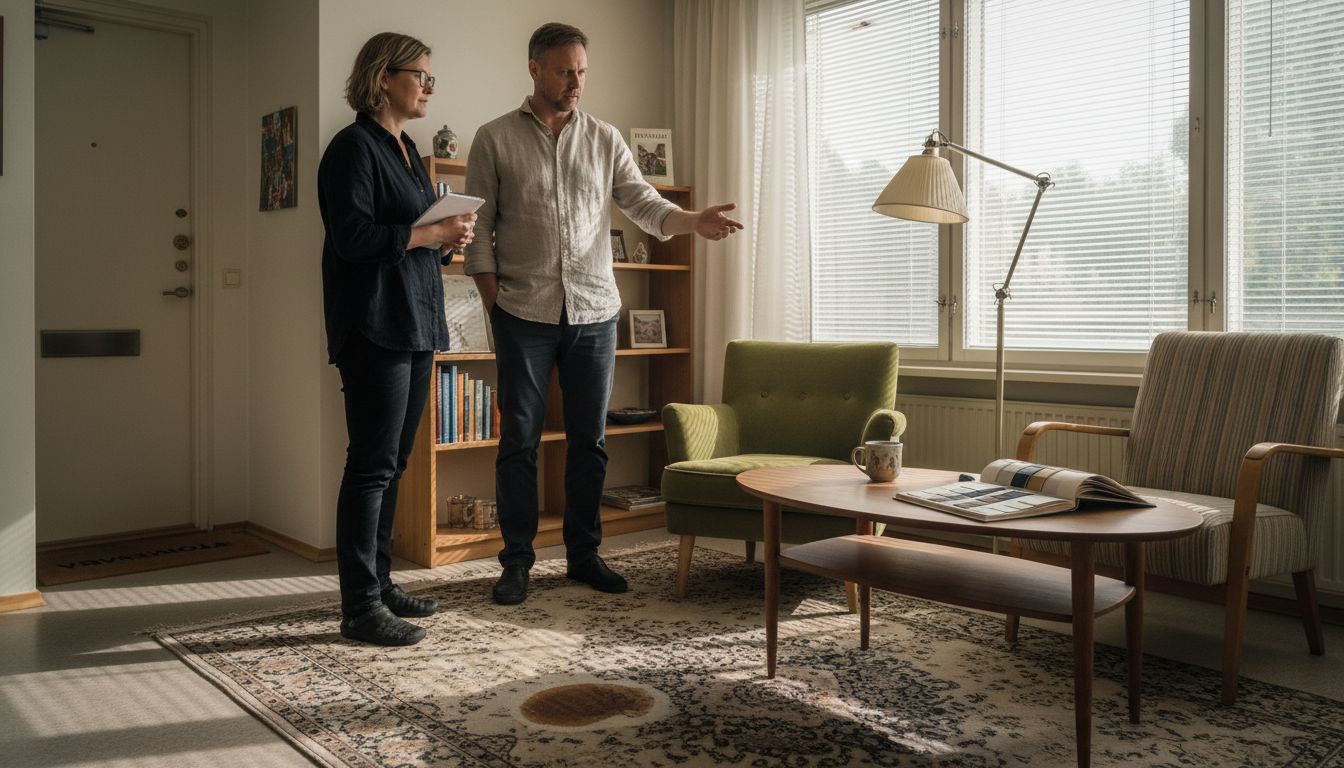
An interior designer is more than just a job title. A visual expert creates spaces that evoke emotions and tell stories without words. The essence of their work is to transform empty squares into vibrant, meaningful environments that serve both aesthetic and practical needs.
The job requires multidisciplinary expertise. An interior designer combines lighting solutions to support the visual expression while understanding architectural structures, color theory, and material properties. Their task is to create ensembles that reflect the client's personality and functional needs.
The meaning goes beyond mere aesthetics. Interior designers are spatial psychologists who understand how the environment affects human state of mind and behavior. They shape spaces that inspire, calm, or activate, depending on the client’s goals. Whether it’s a home, office, or public space, their expertise transforms abstract ideas into tangible, tactile experiences.
Key skills and training requirements
Becoming a professional in interior design requires a wide range of skills and in-depth education. The field requires both artistic talent and technical understanding, which can be developed through both formal education and practical experience. A university-level education in design, architecture, and visual design provides a strong foundation for a professional.
Key skills include understanding the importance of aesthetics in interior design , mastering color theory, knowledge of materials, and proficiency in using digital design software. Professionals also need excellent communication skills to interpret their clients' wishes and translate them into concrete plans.
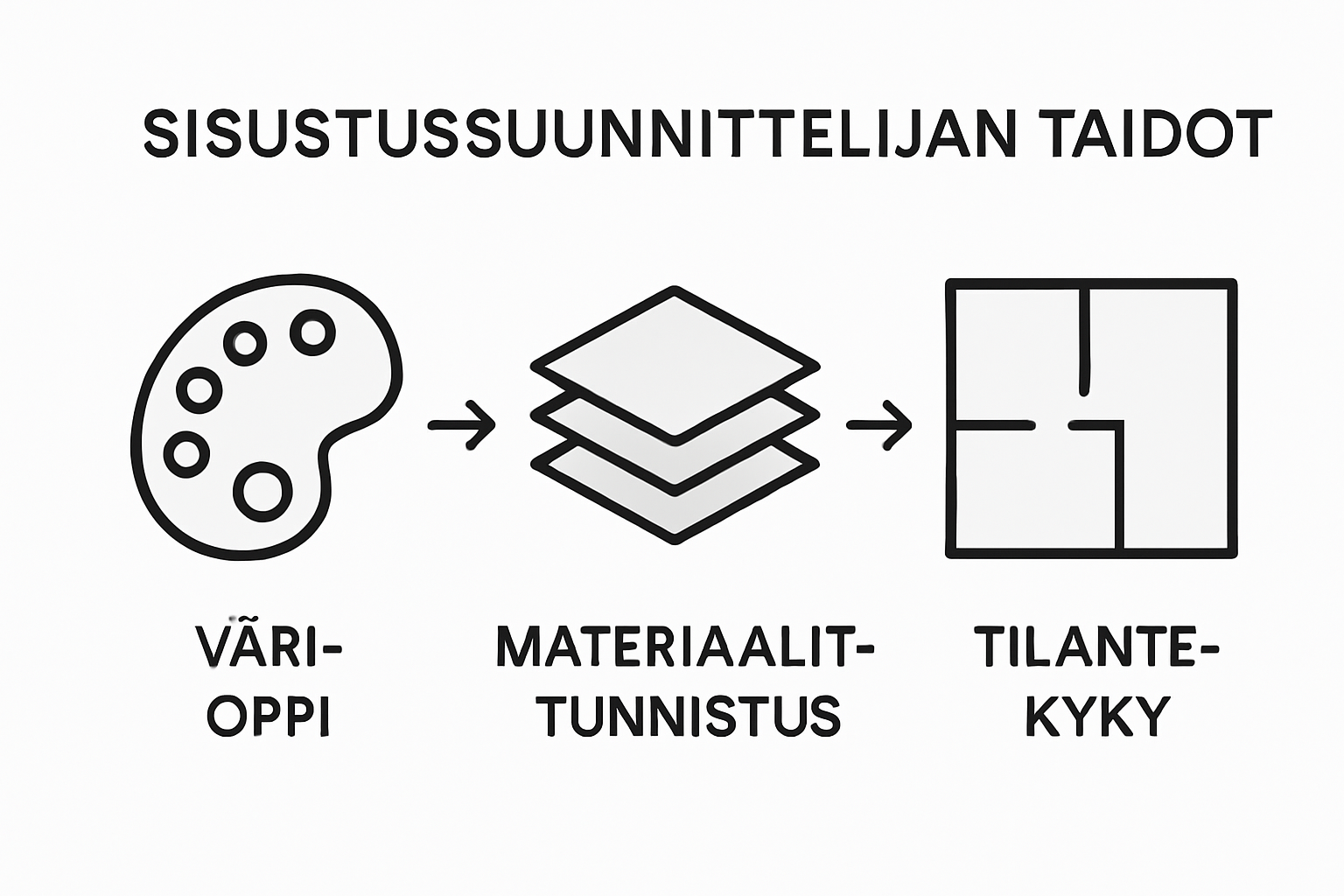
The interior designers of the future need more and more multidisciplinary skills. The importance of technology and sustainability is constantly growing, which means that professionals in the field must be able to combine traditional aesthetic vision with innovative and environmentally friendly solutions. Education must provide both theoretical and practical tools that prepare students for a rapidly changing operating environment.
Musou Black and the role of materials in solutions
Material choices are at the heart of interior design, and Musou Black represents a completely new approach to visual expression. This special material, which absorbs up to 99.4% of light, challenges traditional notions of surface materials and their use in space.
Modern interior designers understand the profound importance of materials in design solutions and are able to utilize innovative materials like Musou Black. The extreme blackness of the material creates amazing contrasts and a sense of depth that completely changes the visual experience of a space. It is not just a color, but a strategic design tool that enables completely new forms of expression.
For interior designers of the future, Musou Black is more than just a surface material. It is a means of creating spaces that play with the concepts of light, shadow and emptiness. The material's unique properties enable a completely new dialogue between architectural forms and lighting, where traditional boundaries between the visible and the invisible are blurred.
Practical responsibilities, rights and project management
The professional role of an interior designer requires a clear understanding of the legal and ethical dimensions of a project. The professional must manage contractual practices, copyrights, and assignments with the client in a precise and transparent manner. This means drafting clear contracts that define the scope of the project, schedule, costs, and mutual expectations.
Practical project management emphasizes the importance of communication and interaction with the client. The designer must be able to communicate clearly about their plans, justify their choices, and at the same time listen to the client's wishes. Important tools for monitoring the progress of the project include detailed draft versions, budget monitoring, and regular break-out meetings.
A professional approach also means taking responsibility for the end result. An interior designer is responsible for the feasibility of their plans, the appropriateness of material choices, and the aesthetic integrity. They must be able to anticipate potential challenges, react flexibly to changing situations, and adhere to agreed-upon constraints in terms of both time and money.
Typical challenges and mistakes in interior design
Interior design is a demanding profession, where even small mistakes can have a significant impact on the final result. The most common challenges are often related to communication, budget management and technical implementation. Professionals are constantly faced with situations where they have to balance the client's wishes, practical constraints and aesthetic goals.
Understanding the client's needs and considering the design principles is critical to success. The most common mistakes include overly ambitious plans in relation to the available resources, measurement errors, and forgetting about functionality at the expense of aesthetics. An interior designer often has to reconcile seemingly contradictory requirements: the client's personal preferences, the structural characteristics of the space, and budget constraints.
Successful designers of the future will be able to anticipate potential stumbling blocks. This means thorough initial surveys, accurate sketches, and flexible plans that allow for changes as the project progresses. Mistakes are avoided through careful planning, open communication, and a professional approach where every detail is carefully considered.
Stand Out Visually as an Interior Designer and Harness the Power of Musou Black
As an interior designer, you know that the visual impact of a space is based on careful material selection and lighting control. The challenges highlighted in the article, such as creating contrast and transforming customer wishes into unique experiences, are solved with the help of Dekoja.net. Discover lighting and innovative solutions that support comprehensive design and emphasize the personality of a space Lighting – Dekoja.net .

Musou Black creates a dramatic and endlessly versatile base that absorbs light and maximizes contrast in a way that traditional materials cannot. Don't settle for the ordinary, create spaces that will leave a lasting impression on your customers and stand out from the competition. Take the first step towards more impactful interior design by visiting Dekoja.net and discover new tools for expressing your creativity.
Frequently asked questions
What skills are required of an interior designer?
An interior designer is required to have a variety of skills, including mastery of aesthetics, color and materials, and communication skills with clients.
What is Musou Black and how is it used in interior design?
Musou Black is a special material that absorbs almost all light. Its use creates amazing contrasts and a sense of depth in spaces, enabling innovative design solutions.
How does an interior designer manage the different phases of projects?
An interior designer manages the progress of a project by communicating clearly with the client, preparing detailed sketches, and monitoring the budget and schedule.
What are the most common challenges in interior design?
The most common challenges are related to balancing communication, budget management, and practical constraints, which can significantly affect the final outcome.
Recommendation
- The Importance of Aesthetics in Interior Design: A Complete Guide – Dekoja.net
- The Importance of Aesthetics in Interior Design: A Complete Guide – Dekoja.net
- The Importance of Aesthetics in Interior Design: A Complete Guide – Dekoja.net
- The Importance of Aesthetics in Interior Design: A Complete Guide – Dekoja.net
- What Is Visual Storytelling? Complete Guide for Artists - The Mansion Press
- Illustrations IA: How to create icons with IA in minutes