

A guide to using depth in interior design: create a unique space
Designing restaurant spaces in the Baltic Sea region requires courage and creativity to really make the visual depth stand out. For many interior designers, combining the right materials, colors and lighting is the most challenging part of the project. Combining materials such as fabric, wood and metal emphasizes the visual depth of the space and the variation of textures creates interest . In this article you will find concrete ways to build a restaurant that is both functional and experiential.
Table of contents
- Step 1: Choose the right depth effect materials and colors
- Step 2: Plan the lighting of the space to maximize depth
- Step 3: Build contrast surfaces and effect elements
- Step 4: Check the final result and ensure visual depth
Quick summary section
| Pivot | Explanation |
|---|---|
| 1. The right color palette creates depth | A dark color with a non-reflective surface provides a deeper and more intimate atmosphere. |
| 2. Lighting is crucial | Three types of lighting, such as mood lighting, create layering and depth in the space. |
| 3. Contrasts add dimension | Different color and material contrasts transform a flat space into a three-dimensional and interesting space. |
| 4. Check the results under different lighting conditions | Question the depth effect from different perspectives to ensure that the result meets your goals. |
| 5. Document the development of the space | Photographing and comparing space photography under different lighting conditions helps with optimization and adjustment. |
Step 1: Choose the right depth effect materials and colors
Creating depth begins with the right combination of materials and colors. These two factors determine whether your space appears deep and spacious, or remains flat and superficial.
The color palette is the factor that most affects the feeling of depth. Dark colors achieve intimacy and a warm atmosphere, while lighter shades expand the space. In restaurant interior design, this means that dark background walls combined with strategic lighting create interesting visual differences in height.
Important choices regarding materials:
- Non-reflective surfaces absorb light and create a depth effect that a regular matte surface cannot achieve.
- Textures such as wood, metal and textiles bring layering and liveliness
- Contrasts between colors and materials emphasize spatial structures
- Homogeneous shades keep the eye moving and make the space look organized.
Combining materials is key: fabric, wood and metal together create a visual depth that cannot be achieved with individual choices.
For restaurants, consider a monochromatic color palette, where you use different shades of one main color. This will make the space look professional and give the lighting more room to shine. For example, a black-based wall paired with metallic accents creates a dramatic feel without being overwhelming.
Among the materials, non-reflective surfaces in particular are crucial. They eliminate distracting reflections and give the space a clean, theatrical feel that makes the depth effect visible at first glance.
Professional advice Always combine colors with materials that enhance the sense of depth: a dark color on a non-reflective surface creates maximum contrast and the impression of depth.
Step 2: Plan the lighting of the space to maximize depth
Lighting is the key to creating depth. Without proper lighting design, you will end up with superficial solutions, even if the materials and colors are perfect.
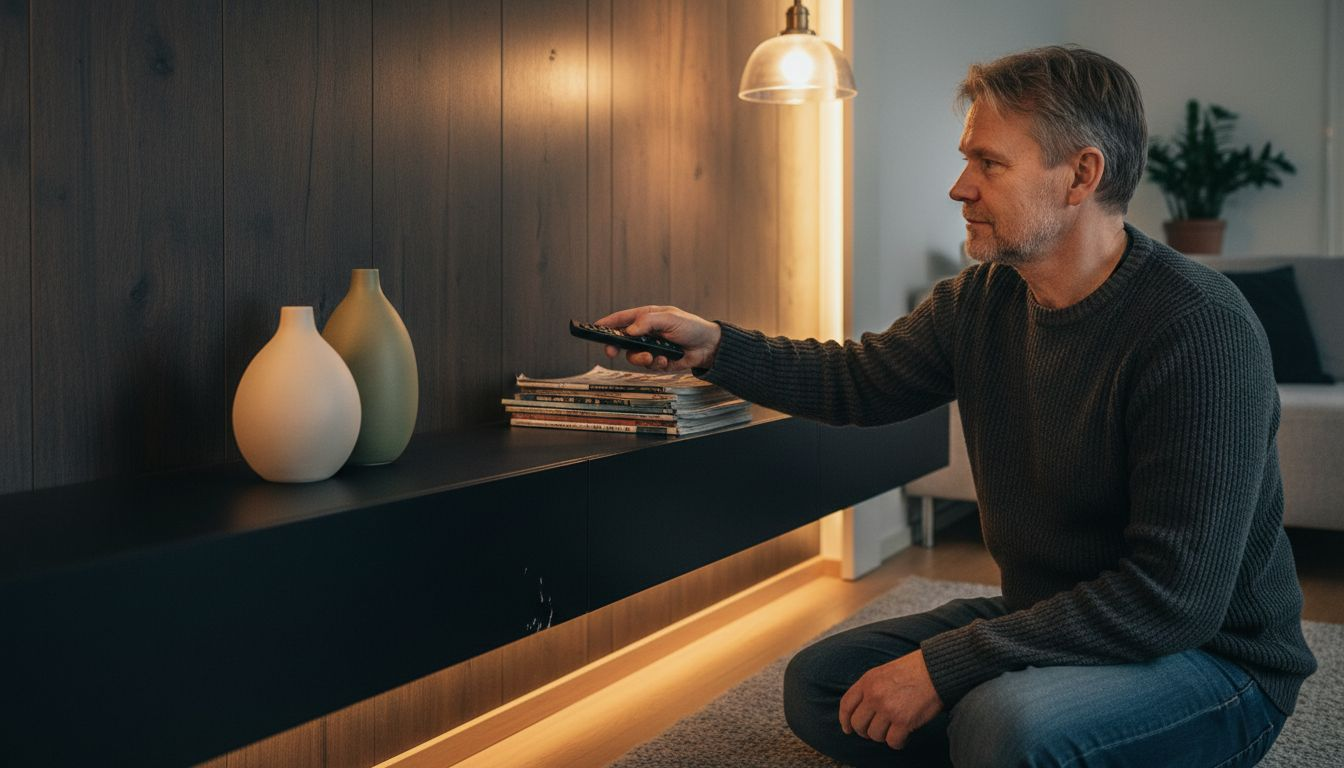
Start by considering the purpose of the space and the amount of natural light. In restaurants, you need to create layers with three different types of lighting: general lighting, task lighting, and mood lighting. Together, these make the space feel deep and inviting.
Building a lighting layer:
- General lighting provides a base and illuminates the entire space evenly
- Task lighting highlights specific areas and functions, such as a dining or bar counter.
- Mood lighting creates atmosphere and depth using indirect light
Indirect light makes a space feel larger, and soft shadows create a sense of depth that direct light can never achieve.
Emphasizing lighting in interior design helps to make spatial structures visible and interesting. Dimmable lighting is essential because it allows you to adjust the intensity of the light for different situations and time periods.
Color temperature plays a big role in the depth effect. Warm light makes a space feel cozier, while cool light creates a more modern feel. In restaurants, it’s a good idea to choose a consistent color temperature for all light sources to make the space look organized and not cluttered.
The placement of the lights also plays a role. Indirect lighting mounted on the walls makes the walls appear deeper, while ceiling-mounted lights illuminate the space evenly. Combining the two gives you both depth and functionality.
The following table shows how different lighting techniques affect the sense of depth in a restaurant space:
| Lighting technology | Depth effect | Fitness for purpose |
|---|---|---|
| Indirect lighting | Strong depth effect | Dinner restaurants, lounges |
| Dimmable general light | Adaptive atmosphere | Multi-purpose dining areas |
| Spotlight | Refined depth highlights | Bar counters, special areas |
| Cool color temperature | Modern and clean feel | Fast food restaurants, cafes |
| Warm color temperature | Homely and intimate atmosphere | Family restaurants, dinner menus |
Professional advice By installing dimmable LED strips behind dark surface walls, you can quickly create a professional-looking depth effect that adapts to the situation.
Step 3: Build contrast surfaces and effect elements
Contrast is the element that turns a flat space into three-dimensional. Without contrast, the depth effect remains invisible, no matter how good the materials and lighting are.
Contrast comes in many ways. With colors you can create interesting layers with contrasts and tonal differences. With shapes you bring dynamics to the space, and with different material surfaces you add depth. In restaurants, this means combining soft and hard surfaces, shiny and matte surfaces in the same space.
Contrast enhancement methods:
- Color contrast uses contrasting color tones to emphasize spatial structures
- Material contrast combines different textures and surface qualities
- Light contrast is created by differences in illumination between surfaces.
- Shape contrast makes the space more dynamic and interesting
Contrasting colors in interior design are an effective way to add depth, but require consideration to ensure the space remains harmonious and functional.
Bringing contrast to your interior doesn't mean using wild color combinations. Consider each choice in terms of the overall space. A dark background wall paired with brighter details creates depth without being overwhelming.
Effect elements are introduced with small details. With decorative objects, textures and accents you can add contrast and personality. Remember that in restaurants everything should serve the atmosphere and purpose of the space.
Lighting can also be used to create high-contrast surfaces. When light hits a non-reflective surface, the contrast becomes even more pronounced and the depth effect becomes more pronounced.
In the table below you will find a close comparison of common depth effect methods and their results:
| Way | Visual impact | Best uses |
|---|---|---|
| Monochromatic palette | Harmonious and deep atmosphere | Stylish and peaceful spaces |
| Color contrast | Vibrant layering | Trendy, distinctive ensembles |
| Material contrast | Vibrant and textured surface | Cozy lounge areas |
| Use of light and shadow | Dramatic three-dimensionality | Impressive entrances |
Professional advice Always start with a neutral base and gradually increase the contrast until you get the desired effect: this will avoid an overly heavy or messy finish.
Step 4: Check the final result and ensure visual depth
Creating a depth effect doesn't stop with choosing and installing materials. Checking the final result under different lighting conditions will ensure that your goals were achieved in reality.
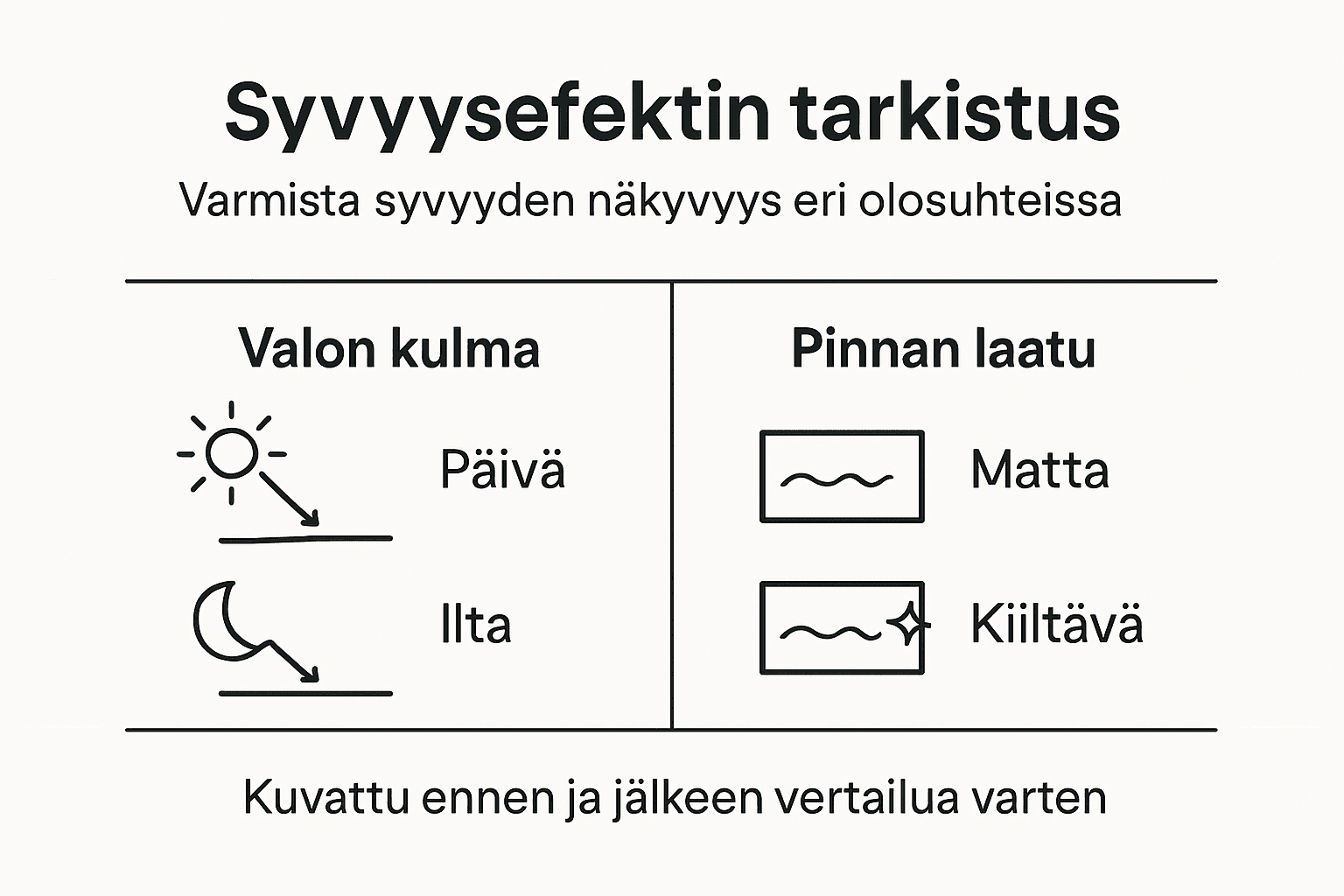
Start by looking at the space from different angles and lighting conditions. Daylight brings light into the space differently than evening lighting. For a restaurant, this means you need to test the depth effect with the lighting that your customers use the most.
Checkpoints for verifying depth:
- Color contrast stands out clearly in different lighting conditions
- Material depth is visible when viewed from different angles
- Lighting layers work together, not individually
- The overall impression evokes the desired mood
3D visualizations help to visualize the visual depth and overall feel of a space before final implementation, but physical verification is also essential.
3D renderings add depth to a space and help ensure that the interior meets your goals. If possible, use photos or videos to document the space in different lighting conditions and from different angles.
Pay special attention to how the light hits non-reflective surfaces. These surfaces are chosen precisely to maximize the impression of depth. If depth is not clearly visible, the lighting may need adjustment.
Go back to your original goals. Was your goal to create a dramatic theatrical atmosphere or a warmer restaurant environment? The depth effect should serve these goals, not be separate from them.
Professional advice Document the space with before and after photos and videos in different lighting conditions so you can compare results and make any necessary adjustments.
Create a unique depth effect in your space with professional solutions
A guide to decorating with depth effects will help you understand how the right materials, lighting and contrasts open up your space to three-dimensionality and experientiality. The most common challenge is to create a truly deep and impressive space without compromising on light, color and texture. The depth effect will be exactly what the lighting and surfaces allow.
Dekoja.net offers you solutions that will take your interior design to the next level. You can try the world's blackest paint, Musou Black, which absorbs light and maximizes contrast in a way that regular paint cannot. In addition, our range includes non-reflective surfaces and lighting solutions that effectively emphasize depth. With these tools, you can create a space that will capture your customer's eye and leave an impressive memory.
Do you want to succeed in creating a striking and atmospheric restaurant interior, where depth comes to life in every corner? Be sure to explore our comprehensive lighting range and explore how Musou Black can complement your overall look. Discover now and take the first step towards a space that will be remembered and give you a competitive advantage. We are ready to support you every step of the way.
Frequently asked questions
How do I choose the right materials to create a depth effect in my interior design?
To create a sense of depth, it is important to combine non-reflective surfaces and textures, such as wood and metal. Choose dark colors with different materials to create a sense of depth. Spend some time comparing materials and colors to find the best combination.
How to design lighting that maximizes the depth effect in a restaurant?
In a restaurant, you can create a depth effect with three types of lighting: general lighting, task lighting and mood lighting. Make sure that the lighting levels can be adjusted by dimming to create different moods. Test the lighting in different schedules and lighting conditions to ensure that the lighting works in all situations.
What are the important contrast factors for achieving a depth effect?
Color contrast, material contrast, and light contrast are key factors in creating depth. Use varying colors and textures, such as glossy and matte finishes, to create a dynamic space. Combine different colored walls and furniture to create interesting visual depth.
How can I check the visual depth of the final result?
Check the space under different lighting conditions and from different angles to ensure that the depth effect is visible. If the sense of depth is not conveyed, evaluate the lighting and material combinations and make adjustments as needed. Take before and after photos so you can compare results and make improvements.
Why are non-reflective surfaces important in creating a depth effect?
Non-reflective surfaces reduce distraction and give a space a deeper visual experience. They help you achieve a theatrical feel where depth feels natural. Choose beautiful, non-reflective materials, and you’ll make your space more inviting and engaging.
How much contrast is needed to create a depth effect?
The right level of contrast depends on your space and the mood you want to create. Generally, you can start by aiming for around 20-30 percent contrast between different elements. Experiment with different combinations and adjust until you find a pleasing depth and balance in your space.
Recommendation
- Experiential design in interior design – Experiential spaces for restaurants – Dekoja.net
- Experiential design in interior design – Experiential spaces for restaurants – Dekoja.net
- Experiential design in interior design – Experiential spaces for restaurants – Dekoja.net
- Experiential design in interior design – Experiential spaces for restaurants – Dekoja.net
- Luxury Renovation Primrose Hill - UpKeep UK