

How does the choice of materials affect spatial design?
When you step into a restaurant or a hotel lobby, your first impression is formed in a flash. But do you know that material choices affect your experience much deeper than just the visual appearance? Textile materials can reduce sound reverberation by up to 50% compared to hard surfaces, completely changing the atmosphere and comfort of the space. Yet, most designers primarily focus on aesthetics, overlooking the multifaceted role of materials in acoustics, durability, and customer experience. This guide reveals how the right material choices create spaces that not only look good but also feel right and stand the test of time.
Table of Contents
- Key Learnings
- The Impact of Materials on the Functionality of Space Design
- Textile Tiles and Carpets in Hotel Corridors: Comparison and Benefits
- Sustainability and Responsible Material Choices in Space Design
- Case Study: Saunaravintola Kaihu's Material Choices: Durability Meets Aesthetics
- Explore Dekoja's Materials and Solutions in Space Design
- The Role of Materials in Space Design: Frequently Asked Questions
Key Learnings
| Key Issue | Explanation |
|---|---|
| Materials shape the experience | Choice affects acoustics, durability, and brand image simultaneously. |
| Textile tiles offer flexibility | Local repair and quick maintenance make them cost-effective for hotels. |
| Sustainability enhances reputation | 65% of hotel guests prefer accommodations that use sustainable materials. |
| Hotel corridors require special attention | Polyamide carpets and textile vinyl effectively withstand heavy wear. |
| Maintenance extends lifespan | Regular vacuuming and proper care increase the lifespan of materials by up to 40%. |
The Impact of Materials on the Functionality of Space Design
Acoustics is a key factor that distinguishes a pleasant restaurant or hotel experience from an uncomfortable one. When sound bounces off hard surfaces, it creates an echo that disturbs conversations and creates a stressful environment. Textile carpets and tiles serve as an effective solution to this problem by absorbing sounds and softening the space. Hard flooring materials, such as concrete or polished stone, reflect sound strongly, which can increase noise levels by 10-15 decibels in busy areas.
Sound insulation and privacy are particularly important in hotel rooms and private restaurant cabins. The impact of materials on acoustics also extends to wall and ceiling surfaces, where soft textiles and special coatings can create an intimate atmosphere. The right combination of materials significantly reduces distracting background noise and improves speech intelligibility.
Durability is another critical dimension that directly affects maintenance costs and customer satisfaction. Restaurant and hotel environments face constant wear, staining, and moisture, which places high demands on material choices. High-quality textile materials withstand heavier use than many harder alternatives because their structure distributes pressure more evenly. Incorrect choices can lead to accelerated wear, requiring premature replacement and causing unnecessary costs.
Professional tip: Combine different materials for optimal acoustics. Use textiles for flooring and some wall surfaces, but retain some hard surfaces for balance. This creates a multidimensional sound environment that feels natural and pleasant.
Materials also have a psychological effect on how spaces are experienced. Soft surfaces convey comfort and luxury, while hard surfaces can create a modern and minimalist feel. The choice depends on the brand identity and target audience:
- Boutique hotels benefit from luxurious textiles that create warmth
- In modern design restaurants, hard surfaces highlight the architecture
- In family-friendly spaces, easy-to-clean materials are practical
- In business hotels, the balance between functionality and aesthetics is key
“Acoustics is an invisible element that either makes a space cozy or drives customers away. Material choices are the most important tool for managing it.”
Ultimately, the functionality of materials in space design means a holistic approach where aesthetics, acoustics, and durability support each other. When these elements are in balance, the space serves both business and customer experience goals effectively. Careful planning at the initial stage saves time and money in the future.
Textile Tiles and Carpets in Hotel Corridors: Comparison and Benefits
Hotel corridors are one of the most challenging environments for flooring materials. Constant foot traffic, luggage dragging, and potential liquid spills place high demands on durability. Textile tiles are more durable and easier to maintain than traditional carpets, making them a particularly popular choice in modern hotels. The biggest advantage of tiles is their modular structure, which allows for quick and cost-effective repair.
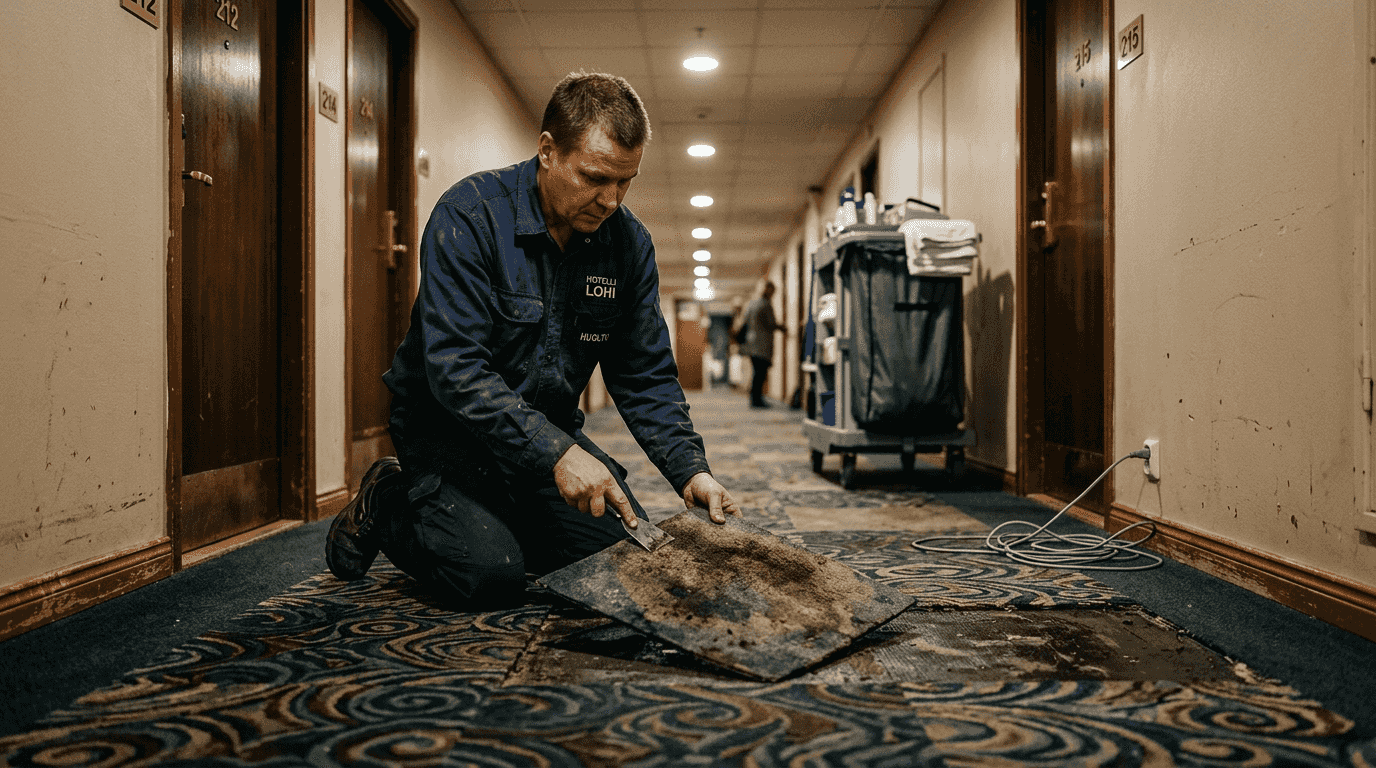
When an individual tile is damaged or stained, you can replace only that element without redoing the entire corridor. This significantly saves costs and minimizes disruption to hotel operations. Traditional carpets, on the other hand, often require more extensive repairs or complete replacement, which can close corridors for longer periods. Textile tiles also offer creative freedom, as you can combine different colors and patterns to create unique designs.
Carpets provide a cohesive and luxurious look, especially suitable for boutique hotels and high-end accommodations. Their seamless surface creates visual continuity and elegance, which many guests appreciate. However, maintenance is more challenging, as stains and wear are more visible on a uniform surface. Carpets require regular professional cleaning and maintenance to remain in good condition.
Polyamide carpets are durable and stain-resistant in hotel corridors, making them an excellent choice for heavy use. Polyamide fiber is flexible and returns to its original shape under pressure, preventing the formation of permanent indentations. The material naturally repels dirt and withstands effective cleaning without colors fading or structure deteriorating.
Textile vinyl combines the appearance of textile with the practicality of vinyl flooring. It offers water resistance and easy cleaning, which is particularly important in humid conditions and areas where liquid spills are likely. Textile vinyl is also quiet to walk on, improving acoustic comfort in corridors. Its installation is quick and cost-effective compared to traditional textile carpets.
| Feature | Textile Tiles | Carpets | Polyamide Carpets | Textile Vinyl |
|---|---|---|---|---|
| Ease of maintenance | Excellent | Moderate | Good | Excellent |
| Repairability | Quick and localized | Requires more extensive action | Moderate | Good |
| Visual unity | Moderate | Excellent | Good | Good |
| Cost-effectiveness | High | Moderate | Good | High |
| Wear resistance | Excellent | Good | Excellent | Good |
| Acoustic damping | Good | Excellent | Good | Moderate |
Professional tip: Regular vacuuming and proper care significantly extend the lifespan of carpets. Use a vacuum cleaner with a HEPA filter at least three times a week in busy corridors. Remove stains immediately and use manufacturer-recommended cleaning agents that do not damage fibers or colors.
The choice between textile tiles and carpets depends on the hotel's concept, budget, and maintenance resources. Large chain hotels often prefer textile tiles for their practicality, while smaller boutique hotels may invest in the luxurious feel of carpets. Both options offer excellent solutions when chosen correctly and maintained properly.
Ultimately, the best solution emerges when you combine textile tiles and hotel carpets according to the needs of the space. Use tiles in the busiest areas and carpets in representative spaces, such as the lobby entrance. This hybrid solution optimizes both functionality and aesthetic appeal.
Sustainability and Responsible Material Choices in Space Design
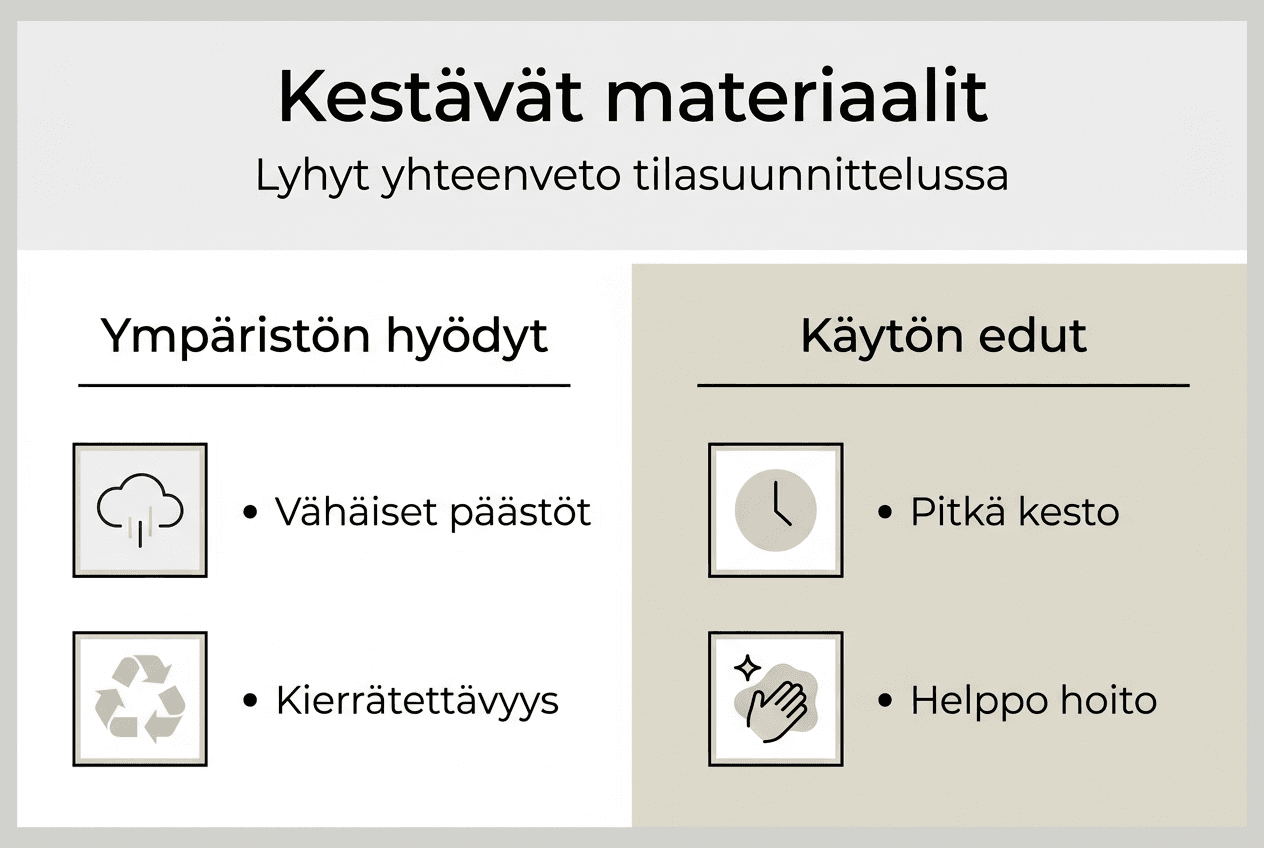
Sustainable materials are no longer just a trend but a business imperative. 65% of hotel guests prefer accommodations that use sustainable materials, which directly impacts booking rates and customer loyalty. Consumers are increasingly aware of environmental impacts and expect brands to take responsibility. Responsible material choices support a positive brand image and significantly differentiate a company from its competitors.
Recyclable materials, such as LiftBAC textile tiles, represent a new generation of solutions for sustainable space design. LiftBAC textile tiles are 100% recyclable and hypoallergenic, making them an excellent choice for both the environment and indoor air quality. At the end of their life cycle, the materials can be processed into new products, effectively reducing waste and closing the material loop.
Sustainable materials help reduce environmental impacts and maintenance costs in the long run. High-quality, long-lasting materials do not require as frequent replacement, saving both resources and money. For example, a high-quality polyamide carpet can last 10-15 years in a hotel corridor, while a cheaper alternative might require replacement after just 3-5 years. The initial investment is higher, but the overall costs are lower.
Customers increasingly value responsible choices in purchasing decisions, and this trend continues to strengthen. Millennials and Generation Z are particularly aware of environmental issues and willing to pay more for sustainable options. Hotels and restaurants that effectively communicate their responsible material choices can attract this growing customer segment and build long-term customer relationships.
Professional tip: Plan the life cycle and recycling of materials already at the design stage. Choose materials that can be easily dismantled and recycled during renovation or refurbishment. Document material information and manufacturers to make future decisions easier to implement responsibly.
Sustainability does not mean compromising on quality or aesthetics. Modern sustainable materials in space design offer as wide a range of colors, textures, and designs as traditional options. Technological advancements have enabled innovative solutions that seamlessly combine sustainability and visual appeal.
Concrete sustainable material choices for restaurant and hotel spaces:
- Textile tiles made from recycled plastic
- FSC-certified wood materials in furniture and decor
- Natural fiber carpets, such as wool and sisal
- Recyclable acoustic panels made from bio-based materials
- Locally produced materials to minimize transport emissions
“Sustainability is no longer a choice but a necessity. Customers expect responsible solutions, and companies that meet this expectation will succeed in the long run.”
Environmental certifications, such as Cradle to Cradle, LEED, and Nordic Swan, help identify genuinely sustainable materials. These certifications assess the environmental impact of products throughout their life cycle, from raw material sourcing to production and recycling. By choosing certified materials, you ensure that sustainability claims are credible and verifiable.
Ultimately, sustainable development in hotels and restaurants is a strategic choice that supports both the environment and business. It enhances brand reputation, attracts conscious customers, and reduces long-term costs. Responsible material choices are an investment in the future that pays back in many ways.
Case Study: Saunaravintola Kaihu's Material Choices: Durability Meets Aesthetics
Saunaravintola Kaihu in Mikkeli is an excellent example of how sustainable materials and aesthetic design combine to form a functional whole. Accoya wood was chosen for its durability for sauna benches, and Sature-treated pine for the terrace, ensuring longevity in demanding conditions. These choices reflect careful planning, where each material has been selected based on both functional and visual criteria.
Accoya wood is an acetylated wood material that withstands moisture, mold, and temperature fluctuations exceptionally well. In a sauna environment, where moisture and heat place high demands on materials, Accoya offers reliability and beauty for years. Its dimensional properties are excellent, meaning it does not warp or crack as easily as traditional wood species. This significantly reduces maintenance needs and extends its lifespan.
Sature-treated pine for the terrace combines the benefits of domestic wood with modern surface treatment technology. The treatment makes the wood highly weather-resistant and protects it from UV radiation, moisture, and biological factors. The terrace withstands Finland's varying weather conditions without rapid wear or fading of color. The use of local wood also supports sustainable development by reducing transport emissions.
Richlite is a durable and dimensionally stable material for shelves and sink units. This paper-based composite material is made from recycled paper and phenolic resins, making it both ecological and durable. Richlite withstands moisture, heat, and mechanical wear exceptionally well, making it ideal for restaurant and sauna environments. Its surface is hygienic and easy to clean, which is critical for food safety.
The material choices support Saunaravintola Kaihu's unique atmosphere and use by combining traditional sauna culture with modern design. Natural materials create a warm and inviting atmosphere that resonates with customers. At the same time, durability ensures that the space maintains its quality and beauty for a long time, which is important for both the customer experience and the business.
| Material | Application | Key Features | Sustainability Benefits |
|---|---|---|---|
| Accoya wood | Sauna benches | Moisture resistance, dimensional stability | Long lifespan, low maintenance |
| Sature pine | Terrace | Weather resistance, UV protection | Domestic, withstands varying conditions |
| Richlite | Shelves, sink units | Moisture resistance, hygiene | Recycled, biologically durable |
| Glass | Windows, partitions | Transparency, light transmission | Recyclable, long-lasting |
This example illustrates how durability and visual requirements can be successfully combined in a real project. Each material has been chosen to support the overall concept of the space and ensure that both aesthetics and functionality are of a high standard. This approach is a model that other restaurant and hotel projects can follow.
Ultimately, the materials used at Sauna Restaurant Kaihu demonstrate that sustainability and beauty are not mutually exclusive. On the contrary, they reinforce each other, creating spaces that are both visually impressive and durable. This case offers concrete insights and inspiration for all interior designers who wish to combine these important dimensions in their projects.
Explore Dekoja's materials and solutions for spatial design
Once you've embraced the importance of material choices in spatial design, the next step is to find a partner who can practically support your vision. Dekoja offers a wide range of innovative and sustainable materials that help create spaces that stand out and evoke emotions. Special materials, such as Musou Black and other effect surfaces, open up new possibilities for creating visual experiences that traditional materials cannot offer.
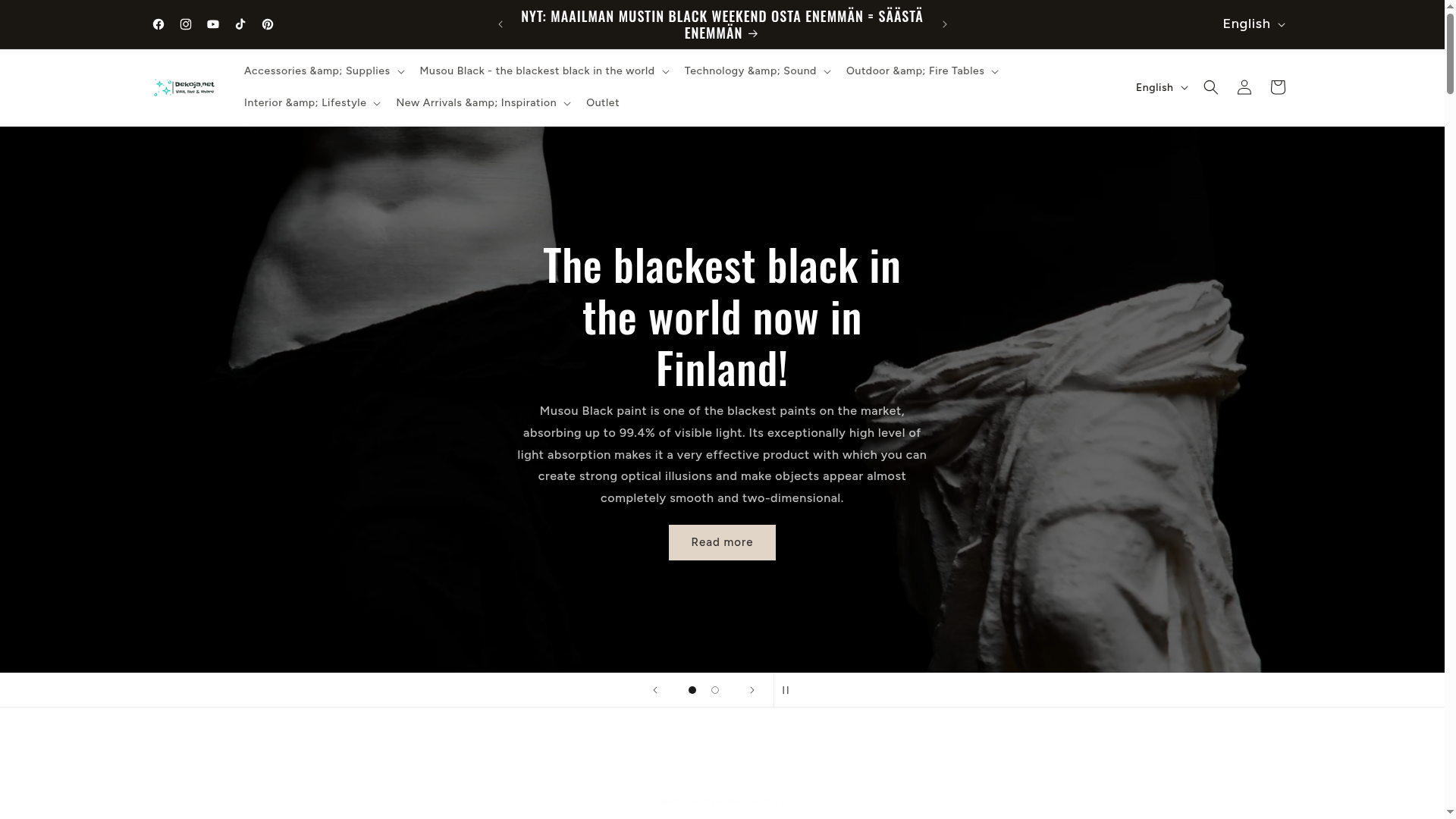
Our service supports professionals in finding functional solutions for spatial design, from the planning stage to implementation. We offer expertise in super black surfaces, non-reflective materials, and optical illusions, perfect for restaurant contrast walls, gallery background materials, or AV studio absorption surfaces. Fast 1-3 business day deliveries from our domestic warehouse ensure that your project proceeds on schedule without delays.
Explore our ecological and sound-absorbing materials in particular, which combine durability and functionality. With us, you'll find solutions that others don't offer, and you'll get more than just products. You'll get an expert who will help you through the project from start to finish. Our B2B service is designed for projects and design agencies that value quality, reliability, and innovativeness. Contact us to discuss how we can support your next project with materials and spatial design services.
The role of materials in spatial design: frequently asked questions
How do materials affect a restaurant's acoustics?
Materials determine how sound behaves in a space. Soft textiles absorb sound and reduce echo, while hard surfaces strongly reflect sound. The right combination of materials creates a pleasant sound environment where conversations can take place without disturbing background noise.
Which flooring materials are most durable for hotel corridors?
Polyamide carpets and textile tiles are excellent choices due to their wear resistance. They withstand continuous foot traffic, luggage pulling, and are easy to maintain. Textile tiles also offer local repairability, which reduces costs in the long run.
How do responsible material choices impact a hotel's image?
Responsible materials significantly enhance a brand's reputation, as 65% of hotel guests prefer sustainable accommodations. They communicate a commitment to the environment and the future, attracting conscious customers. Sustainability differentiates the hotel from competitors and builds long-term customer loyalty.
How often should hotel carpets be professionally cleaned?
For busy corridors, professional cleaning is recommended 2-4 times a year. Regular vacuuming at least three times a week is essential. Stains should be removed immediately upon occurrence to prevent them from permanently adhering to the fibers.
What are the advantages of Accoya wood in a sauna environment?
Accoya wood exhibits exceptional resistance to moisture, temperature fluctuations, and mold. Its dimensional stability prevents warping and cracking, reducing maintenance needs. The material is a durable choice that maintains its beauty and functionality for years in the demanding conditions of a sauna.
How does textile vinyl differ from traditional textile carpet options?
Textile vinyl combines the appearance of textile with the waterproofness and easy maintenance of vinyl flooring. It is ideal for humid conditions and areas where liquid spills are likely. Installation is quick and cost-effective, and the material is quiet to walk on, enhancing acoustic comfort.