

What distinguishes artistic design from other types of design?
In a nutshell:
- Artistic design combines aesthetic values and user experience in a memorable way. It differs from practical design in that it conveys deeper meaning and emotion within a space. The principles of artistic design guide a space's visual expression, balance, and the active role of the recipient.
Artistic design is the construction of spaces and visual elements where aesthetic values, cultural meanings, and user experience work together. What distinguishes artistic design from ordinary spatial design is precisely this: the space doesn't just function, it signifies something. The recipient actively constructs the experience in their own mind, and the designer consciously guides this process. The result is a space that leaves a lasting impression. This article covers the basic principles of artistic design, its differences from practical design, and how the spatial experience is concretely built.
How does artistic design differ from practical design?
Artistic design and practical design differ in purpose, process, and impact. Practical design solves a problem: the space works, pathways are clear, lighting is sufficient. Artistic design goes further. It asks what the space feels like and what it communicates.
The difference in purpose is most evident in the project's starting points:
- Practical design begins with functional requirements: square footage, pathways, safety regulations, and budget.
- Artistic design begins with meaning: what emotion, message, or experience the space conveys to its user.
- In process, practical design relies on standards and measurable results. Artistic design involves interpretation and requires consideration of the recipient's role.
- In impact, a practical solution is evaluated by its functionality. An artistic solution is evaluated by experience, memory trace, and cultural resonance.
Interior design combines aesthetic decisions with technical and functional conditions. It is close to artistic design but not the same thing. An interior designer determines how a space works and looks. An artistic designer decides what a space means. The difference is subtle but crucial.
A practical example: restaurant lighting can be designed to meet standards and create a pleasant atmosphere. Artistic design elevates the same lighting to a level where it directs the gaze to specific points, creates contrasts, and builds a narrative within the space. The result is not just functional; it is an experience.
What principles does artistic design follow in spatial use?
Artistic design in a space adheres to recognizable principles that distinguish it from accidental aesthetics. These principles are not rules but tools that a designer uses to construct a purposeful experience.
-
Visual language and spatial narrative. Every element—color, shape, material, and light—is part of a sentence. The visual language of a space should be planned to anticipate eye paths and user experiences. A gallery where artworks are placed in a specific order tells a story. A restaurant where wall surfaces absorb light creates a sense of intimacy.
-
Balance and emphasis. A space needs a visual anchor. This can be a contrasting wall, a single artwork, or a material choice that draws the eye. Without emphasis, a space feels unremarkable and is quickly forgotten.
-
Rhythm and repetition. Rhythm emerges from recurring elements that create a sense of continuity. Architect Alvar Aalto used this principle in Finlandia Hall: repeating forms create a calm yet recognizable whole.
-
Integration of technical and aesthetic constraints. Taste alone is not enough. Documentation, visualizations, and shared communication are needed to reconcile aesthetic and technical conditions. This is the professional core of artistic design.
-
Room for interpretation. Good artistic design leaves room for the recipient's own interpretation. It doesn't explain everything but invites the user to participate in constructing meaning.
Professional tip: Design the space so that it contains at least one element that the user doesn't immediately fully understand. This creates curiosity, which makes people want to return to the space again.
How does artistic design affect the spatial user experience?
Artistic design qualitatively transforms the user's experience of a space. The space is no longer just a container for functions but an active participant in the user's experience. The recipient's interpretation is key, and the visual language of the space should be designed according to different eye paths and experiential situations.
Concrete effects on the spatial user experience:
- Guiding the gaze. Contrasts, lighting, and material differences consciously guide the user's gaze. A black wall in a gallery makes an artwork stand out. A matte surface in a restaurant eliminates distracting reflections and keeps attention on the food and company.
- Emotional impact. A space evokes emotions before the user has consciously analyzed anything. Color temperature, the feel of materials, and the sound environment directly influence mood.
- Cultural resonance. A space that references recognizable cultural elements creates a sense of belonging. This is particularly important for restaurants, galleries, and public spaces.
- Memory trace. An artistically designed space leaves a lasting impression. User-centricity and experimentation are sources of effectiveness for artistic design, especially in terms of a space's appeal.
Artistic spatial design is based on a functional layout and aesthetic details that together create the user experience. The layout is the framework; aesthetics is the soul. Without a functional framework, aesthetics crumble. Without a soul, a space is just a room.
The City of Helsinki's design strategy for 2021–2025 highlights the importance of design in enhancing appeal and user experience. This shows that the effects of artistic design are measurable even at the urban level, not just in individual spaces.
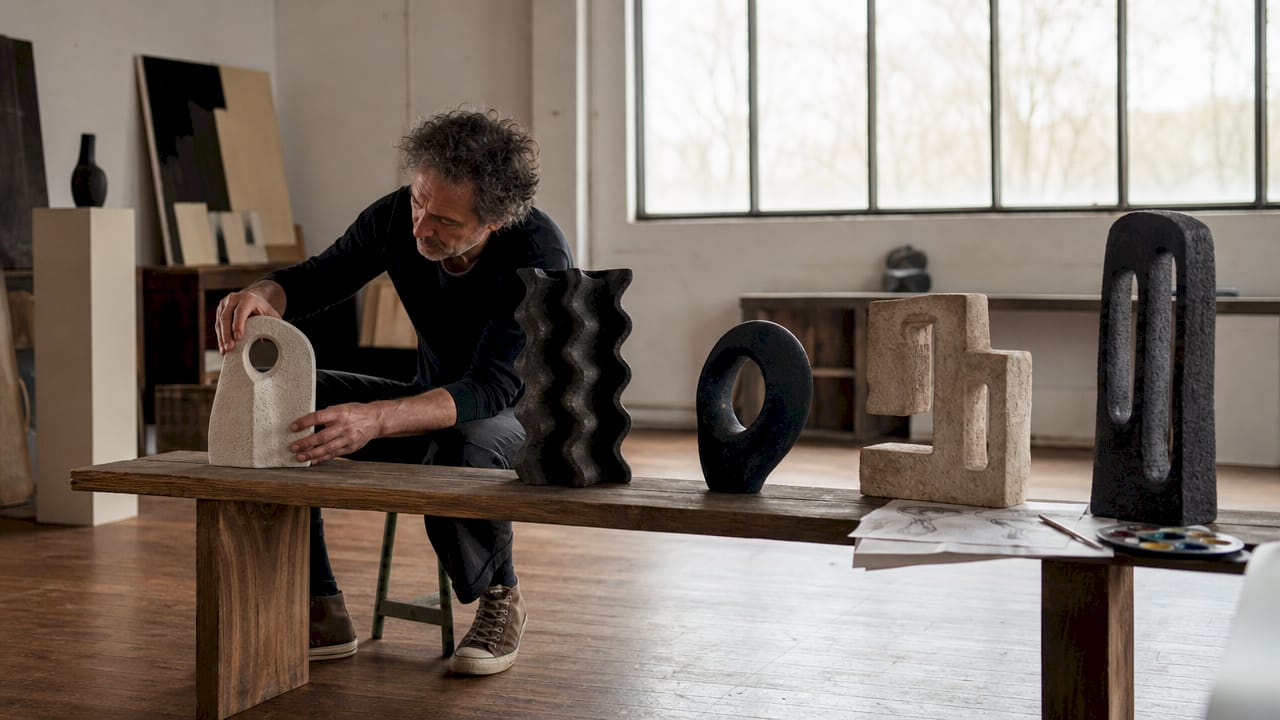
Artistic design vs. graphic design and interior design
Artistic design, graphic design, and interior design are closely related fields, but their focuses differ clearly. A comparison helps understand where artistic design is most at home.
| Field | Primary Focus | Treatment of Meanings | Typical Tools |
|---|---|---|---|
| Artistic Design | Experience and meaning in space | Cultural and emotional meanings | Material, light, space, contrast |
| Graphic Design | Visual communication on a surface | Symbols, typography, color | Adobe Creative Suite, Figma |
| Interior Design | Functionality and aesthetics of space | Aesthetic and functional values | CAD software, material samples, 3D modeling |
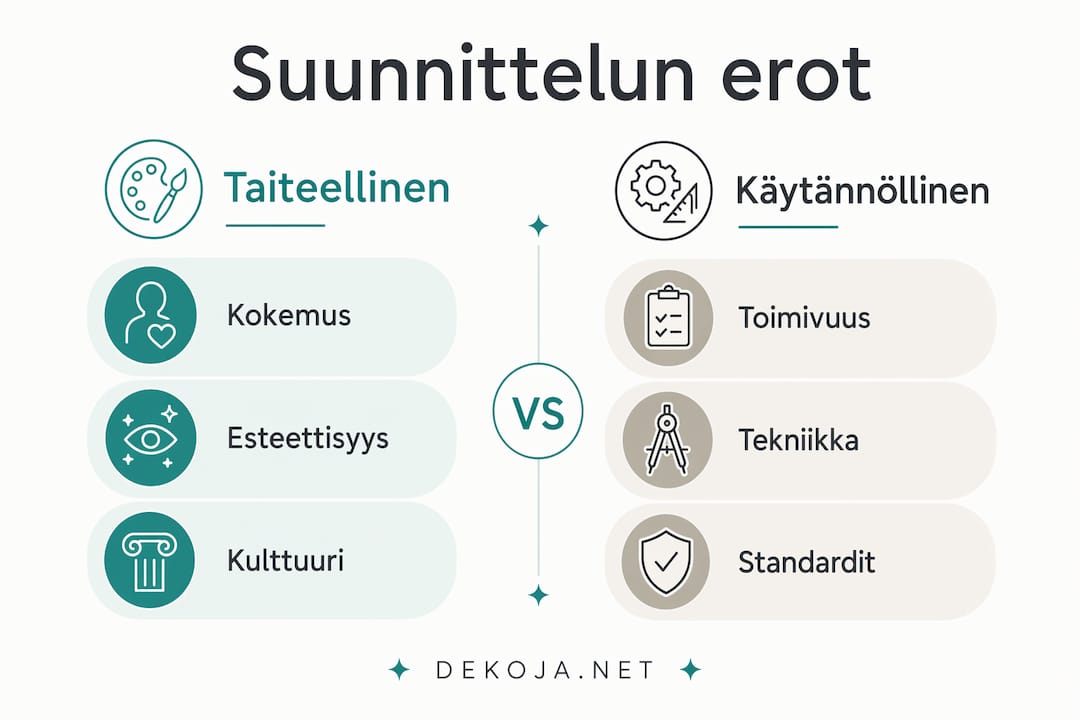
Graphic design operates primarily on a two-dimensional surface. It communicates quickly and clearly. Artistic design constructs a three-dimensional experience where the user moves and interprets. Interior design is closest to artistic design, but its focus is on functionality and aesthetics, rather than cultural meaning.
Design now extends from objects to digital experiences. This expansion means that an artistic designer can work in a physical space, a digital environment, or at their interface. Collaboration between different fields is therefore natural and often necessary.
Professional tip: When collaborating with a graphic designer on a spatial project, agree beforehand who is responsible for constructing meanings. Without this agreement, visual elements may compete with each other instead of supporting each other.
The unique feature of artistic design is its ability to combine different fields into a single experience. The architect designs the structure, the interior designer furnishes the space, the graphic designer adds visual communication. The artistic designer ensures that all these levels speak the same language. It is a coordinating and interpretive role that other fields do not cover.
In project work, the distinctiveness of artistic design is emphasized in high-quality documentation and in achieving a common understanding between aesthetics and technicality. Without documentation, artistic solutions remain within the designer's head. Documentation makes them shareable and implementable.
Key takeaways
Artistic design distinguishes itself from other forms of design by combining aesthetic meanings, the active role of the recipient, and functional constraints into a single spatial experience.
| Point | Details |
|---|---|
| Meaning vs. Functionality | Artistic design constructs meanings; practical design solves functional problems. |
| Recipient's Role | The user actively constructs the experience, so eye paths and room for interpretation must be consciously designed. |
| Documentation is Essential | Aesthetic solutions must be documented so they can be implemented and communicated to the team. |
| Collaboration Across Fields | The artistic designer coordinates the common language of architecture, interior design, and graphic design. |
| Assessing Effectiveness | The impact of artistic solutions is seen in user experience, appeal, and memory trace. |
Artistry is not decoration, it is structure
I have seen many projects where artistry is added as a final layer on top of functional design. The result is almost always unsatisfactory. Artworks hang on walls without any connection to the space. Colors are chosen for atmosphere, but they don't support the story of the space. The lighting is technically correct, but it doesn't direct the gaze anywhere.
Artistic design only works when it is integrated from the very beginning. It is not decoration; it is a structural decision. When you decide that a space tells a certain story, all other decisions follow from this. Materials, colors, lighting, and layout are all parts of this story.
I have also noticed that professionals underestimate the role of the recipient. The designer knows what they want to say. The user doesn't know. The user experiences. This difference is crucial. Good artistic design doesn't explain itself; it creates conditions where the experience arises naturally. This requires practice and the courage to leave things open.
In the future, artistic design will increasingly merge with digital layers. Physical space and digital experience will blend. This opens up new opportunities, but also new risks. The basic principles remain the same: meaning, recipient, and experience. Technology is just a new tool for constructing these.
— Mikko
Dekoja and materials for artistic design
Artistic design requires the right materials to come to fruition. Dekoja supplies Musou Black and the world's blackest effect surfaces directly from its domestic warehouse to restaurants, galleries, architects, and interior designers.

Super-black surfaces, non-reflective materials, and optical contrast walls are tools that give artistic design a physical form. Dekoja assists projects from start to finish, not just supplying products. Deliveries from Finland in 1–3 business days. B2B service for design agencies and projects. Explore materials for aesthetic spaces or see the full selection at Dekoja.net.
Frequently asked questions
What does artistic design mean as a definition?
Artistic design is the construction of spaces and visual elements where aesthetic values, cultural meanings, and user experience work together. It differs from practical design in that the space doesn't just function, but also signifies something.
How does artistic design differ from interior design?
Interior design combines aesthetic decisions with technical and functional conditions. Artistic design goes further: it constructs cultural meanings and consciously guides the recipient's experience.
What are the basic principles of artistic design in a space?
Key principles include visual language and spatial narrative, balance and emphasis, rhythm and repetition, and the integration of technical and aesthetic constraints. Additionally, good artistic design leaves room for the recipient's own interpretation.
Why is artistic design important for restaurants and galleries?
An artistically designed space is memorable and creates appeal. User-centricity and experimentation are sources of effectiveness for artistic design, and the impact is directly reflected in customer experience and willingness to return.
How can I assess the effectiveness of artistic design?
Effectiveness can be assessed by changes in user experience, the appeal of the space, and the memory trace. The City of Helsinki's design strategy emphasizes the importance of measuring impact: metrics need to be developed to concretize and further develop the impact.