

Different Paint Finishes for Interiors: 10 Finishes
In brief:
- Paint finishes can influence a space's atmosphere, durability, and visual appeal. Different paint finishes are chosen based on their intended use, material, and desired ambiance, and proper care extends their lifespan.
Different paint finishes define a space's atmosphere, durability, and visual appearance as much as furniture or lighting. Surface treatment options are categorized by technical properties and visual effects, and special paints offer added protection and dimension compared to traditional ones. Choosing a paint finish is not just an aesthetic decision. It combines the intended use, material, and desired look into one cohesive whole. This guide covers ten different finishes, their technical properties, and best uses in interior design and space planning.
Different Paint Finishes: 10 Types with Their Technical Properties
Paints and their types are classified based on both composition and final result. Below are ten finishes that cover the most common needs, from home interiors to galleries and restaurants.
1. Opaque Flat Paint
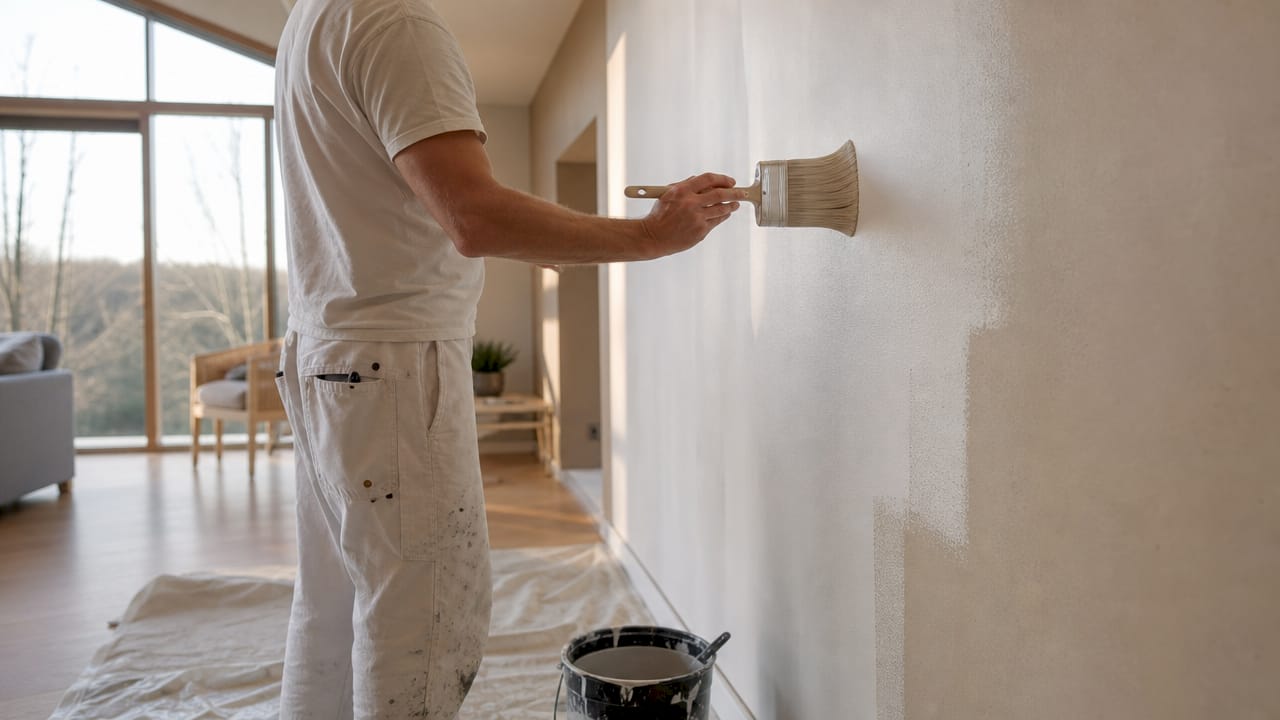
Opaque flat paint is the most common surface treatment option for walls and ceilings. It provides a uniform, clean finish and is suitable for almost all surfaces. The color range is extensive, and opacity is usually achieved with two coats. This finish is easy to repair with touch-ups.
2. Metallic Paint Finishes
Metallic paints produce a glossy, metallic surface without a separate topcoat. Special paints enhance the coating's durability and gloss compared to ordinary paints. This makes them a popular choice for accent areas such as niches, cabinetry, and artworks. Metallic finishes reflect light and create depth in a space.
Professional tip: Metallic paints require a smooth and well-sanded substrate. Even minor imperfections will be highlighted on a glossy surface.
3. Textured and Grain Pattern Finishes
Textured paints create a three-dimensional or deep surface effect on the wall. They are used to add visual depth and contrast, especially in living rooms and restaurants. The finish can be achieved by brushing, rolling, or using special trowel techniques. The result varies from fine roughness to distinct relief-like patterns.
4. Highly Durable Coatings
Durable coatings are designed for demanding environments, such as kitchens, hallways, and public spaces. They withstand abrasion, moisture, and mechanical stress better than ordinary paints. These finishes have high washability, making maintenance easy. Durable coatings are often acrylic latex-based or two-component.
5. Water-Based Acrylic and Latex Paints
Water-based paints are the most popular choice for interiors due to their ease of use and quick drying time. They are suitable for walls, ceilings, and wood surfaces. Their low odor and easy cleaning make them a practical choice for homes. Acrylic latexes also withstand moderate moisture, making them suitable for bathrooms with a primer.
6. Oil-Based Paints
Oil-based paints are a traditional choice for wood surfaces, window frames, and doors. They penetrate deep into the wood and provide a durable, glossy finish. Drying time is longer than for water-based paints, but the result is dense and wear-resistant. Water-based paint cannot be applied over oil-based paint without priming, as water-based paint will not adhere to an oil-based paint surface without a suitable intermediate primer.
7. Lime and Mineral Paints
Lime and mineral paints are breathable surface treatment options, especially suitable for old buildings and plastered surfaces. Traditional methods such as lime and red ochre paint are valuable in restoration projects due to their structural compatibility. Lime paint regulates moisture and prevents mold formation. It is also suitable for modern interiors when a matte, natural ambiance is desired.
Professional tip: Lime paint cannot be applied over ordinary latex paint. The substrate must be cleaned and, if necessary, the old paint layer completely removed.
8. Powder Coating and Wet Painting
Powder coating is suitable for metal, while wet painting is for heat-sensitive and large parts. In powder coating, electrostatic powder adheres to the metal surface and melts in an oven, forming a durable film. In wet painting, paint is applied as a liquid by spraying or rolling. Powder coating offers better impact resistance and is a more environmentally friendly option as no solvents are used.
9. UV and Moisture-Protected Special Finishes
UV-protected paints slow down color fading due to sunlight. They are essential for outdoor spaces and near large windows. Moisture-protected coatings prevent water absorption and are suitable for bathrooms, saunas, and exterior walls. These special finishes combine protective properties and visual quality for a long time.
10. Super Black and Light-Absorbing Finishes
Super black paint finishes absorb light exceptionally efficiently and create optical illusions. Such surfaces are used in galleries, restaurants, theaters, and artistic space planning projects. Musou Black is an example of such special paints that produce an almost perfectly black surface. Dekoja supplies these special materials directly from its domestic warehouse to Finnish designers and artists.
How Does the Choice of Paint Finish Affect a Space's Atmosphere?
The choice of paint finish directly affects how light behaves in a space. A glossy finish reflects light, making the space feel brighter and larger. A matte finish absorbs light, creating a calm, intimate atmosphere. This difference is crucial, especially in small spaces or rooms with limited natural light.
Durability and cleanability vary significantly depending on the surface material. Glossy and semi-glossy finishes withstand washing better than matte finishes. Washing a matte finish requires care, as excessive scrubbing can damage the surface. For kitchens and children's rooms, a washable finish should be chosen.
In the context of interior design and art, the paint finish also serves as a visual enhancer. Non-reflective surfaces are used in galleries and exhibition spaces because they do not interfere with viewing the artworks. Accent walls and special finishes can change the entire character of a space with a single solution.
- Glossy finish: suitable for bathrooms, kitchens, and accent areas
- Semi-gloss finish: a good compromise between durability and ambiance
- Matte finish: living rooms, bedrooms, and artistic spaces
- Textured finish: accent walls, restaurants, and galleries
- Super black finish: optical illusions, theaters, and special spaces
Professional tip: Always test your chosen paint on a small area before painting the entire wall. The color and gloss level will look different in artificial light and daylight.
In outdoor spaces, the choice of paint finish is affected by weather conditions, material movement, and UV exposure. For wood surfaces, moisture must be below 20% before painting, otherwise the paint will not adhere properly. For exterior surfaces, a weather-protected paint that flexes with the material should always be chosen.
Painting Methods and the Effect of Surface Treatment on Durability
The painting method affects the uniformity, durability, and appearance of the final result. The correct method is chosen according to the surface material and intended use.
70–80% of the painting process time is spent on pretreatment, which directly affects the quality of the final result. Pretreatment includes cleaning the surface, sanding, and, if necessary, mold removal. Well-done preparatory work prevents premature detachment and flaking of the paint.
| Method | Best suited for | Durability | Points to note |
|---|---|---|---|
| Powder coating | Metals, steel | Very high | Requires oven treatment |
| Wet painting | Heat-sensitive, large parts | Good | Higher risk of runs |
| Rolling | Walls, flat surfaces | Good | Fast and easy |
| Spray painting | Smooth surfaces, furniture | Very good | Requires protection |
| Brush painting | Details, wood surfaces | Good | Leaves brush marks |
In powder coating, the film is flexible and tough, while in wet painting, the risk of runs is higher. Powder coating is also more environmentally friendly because it does not use solvents. However, wet painting is suitable for situations where the part cannot withstand the heat of oven treatment.
Spray painting produces the smoothest finish for large areas and furniture. It requires careful protection of the surroundings, but the result is professional. Rolling is the fastest way to paint large wall surfaces at home.
Professional tip: Always use a primer that is compatible with the topcoat. Water-based paint over oil paint without priming will lead to flaking within a few years.
Paint Surface Care and Maintenance to Ensure Longevity
Proper care significantly extends the lifespan of a paint finish. The washing method and tools are chosen according to the gloss level and paint type of the surface.
- Matte finish: wash with a soft sponge and mild detergent, avoid scrubbing
- Glossy finish: withstands wetter washing, but avoid abrasive cleaners
- Special finishes like super black: check manufacturer's instructions before washing
- Oil-painted surfaces: dry wiping or a damp cloth is usually sufficient
- Exterior surfaces: wash annually with a pressure washer or brush before repainting
Light washing with a soft sponge and the use of the correct detergent are recommended, especially for special finishes. The wrong detergent can change the gloss level of the surface or damage the pigment. Always test a new detergent in an inconspicuous area first.
Repair painting should be done as soon as scratches or chips appear on the surface. A small damage quickly expands if moisture gets under the paint. For wood surfaces, this means the wood will begin to rot or swell. Repainting is due when the surface begins to flake or the color has faded significantly.
Key Considerations
The choice of paint finish combines visual goals and technical requirements, and pretreatment is a decisive factor in the quality and durability of the final result.
| Point | Details |
|---|---|
| Pretreatment is crucial | 70–80% of the painting process time is spent on pretreatment, which determines durability. |
| Surface choice according to atmosphere | A glossy finish enlarges the space, a matte finish creates a calm atmosphere. |
| Compatibility first | Water-based paint will not adhere over oil paint without priming. |
| Special finishes stand out | Super black and textured finishes change the character of a space with a single solution. |
| Maintenance extends lifespan | The correct washing method and tools maintain the surface quality for years longer. |
Choosing Paint Finishes Is More Than Just Color
I've seen many projects where the color palette was carefully considered, but the surface material was chosen at random. The result is disappointing: the color is right, but the space doesn't work. The gloss level, texture, and absorption of the paint finish affect how the color behaves in different lighting conditions.
One overlooked option is lime paint in modern interior design. It is often associated only with old buildings, but it works excellently in minimalist Scandinavian interiors as well. The matte, slightly uneven surface brings life to the wall without the hassle of wallpaper or textured paint.
The potential of super black finishes is underutilized in homes. In galleries and restaurants, they are already standard, but in home use, they are rare. One super black accent wall in a living room or library completely transforms the atmosphere of the space. Creating an artistic space does not require major changes, but often just one bold surface solution.
In budget solutions, textured paints are underestimated. They cost more than ordinary paint but replace wallpaper or paneling solutions at a fraction of the cost. The result is more durable and easier to repair.
— Mikko
Dekoja and Special Paint Finishes for Space Planning
Dekoja is the only Finnish specialty materials store that supplies Musou Black and the world's blackest effect finishes from a domestic warehouse. The service is aimed at interior designers, artists, architects, and restaurants that want surface solutions not found in ordinary hardware stores.
Dekoja assists with projects from start to finish, from material selection to implementation. The selection includes super black paints, non-reflective materials, accent wall solutions, and studio materials. Deliveries take 1–3 business days from Finland, and B2B service is available for design agencies and professionals. Explore special paint finishes and light absorption or browse the entire selection at dekoja.net.
Frequently Asked Questions
Which paint is suitable for a bathroom?
A moisture-protected acrylic latex paint or a semi-gloss paint that withstands washing and moisture is suitable for a bathroom. A primer is essential before the topcoat.
Can water-based paint be applied over oil-based paint?
Water-based paint will not adhere over oil-based paint without proper priming. Without priming, the surface will flake within a few years.
What is the difference between powder coating and wet painting?
Powder coating is suitable for metal and provides a very durable finish through oven treatment. Wet painting is suitable for heat-sensitive materials and large parts, but the risk of runs is higher.
What is a super black paint finish and where is it suitable?
A super black paint finish absorbs light exceptionally efficiently and creates optical illusions. It is suitable for galleries, restaurants, theaters, and artistic space planning projects.
How often should an exterior wall be repainted?
An exterior wall is usually repainted every 8–15 years, depending on the material and weather conditions. For wood surfaces, repainting is due when the surface begins to flake or the color fades significantly.