

Experiential design – Experiential spaces for restaurants
Many people are surprised to learn that over 70 percent of sensory experiences arise from senses other than sight when a space is designed to be experiential. Experiential interior design touches both the mind and the senses and builds a holistic experience of the space. With the help of this article, you will gain a practical understanding of why experientiality is the core of modern spatial design and how concrete solutions can transform an ordinary environment into an impressive one.
Table of contents
- What does experiential design mean in interior design?
- Key elements and manifestations of experientialism
- Musou black and other innovations as creators of experiential experiences
- The role of visual contrast in the effect of space
- Risks, costs and differences to traditional solutions
Key things to consider
| Paragraph | Detail |
|---|---|
| Experientialism | Experiential interior design creates spaces that evoke emotions and memories by combining multi-sensory elements. |
| User experience | Design must consider the overall user experience, not just individual objects or colors. |
| Utilizing technology | Innovative technologies enable interactivity and deepen the experience of spaces. |
| Costing | Innovative solutions may seem expensive at first, but in the long run they offer valuable savings and benefits. |
What does experiential design mean in interior design?
Experiential design is a multi-level design concept that transforms a space from a mere physical environment into a holistic sensory experience. According to Kespro's research, it is not just about visual appeal, but about multi-dimensional interaction, where each element is intentionally designed to evoke emotions and create memories.
An experiential interior design is built from several key elements that together form a coherent and impressive whole. These elements include:
- Space layout and functionality
- Lighting solutions and color scheme
- Acoustics and soundscape
- Material and surface choices
- Furniture shape and placement
- The staff's personality and service attitude
According to Aistila research , true experientiality is created when design takes into account all the senses – sight, hearing, smell, taste and touch. This means that a space should communicate with its user on many levels, subconsciously evoking different emotions and memories.
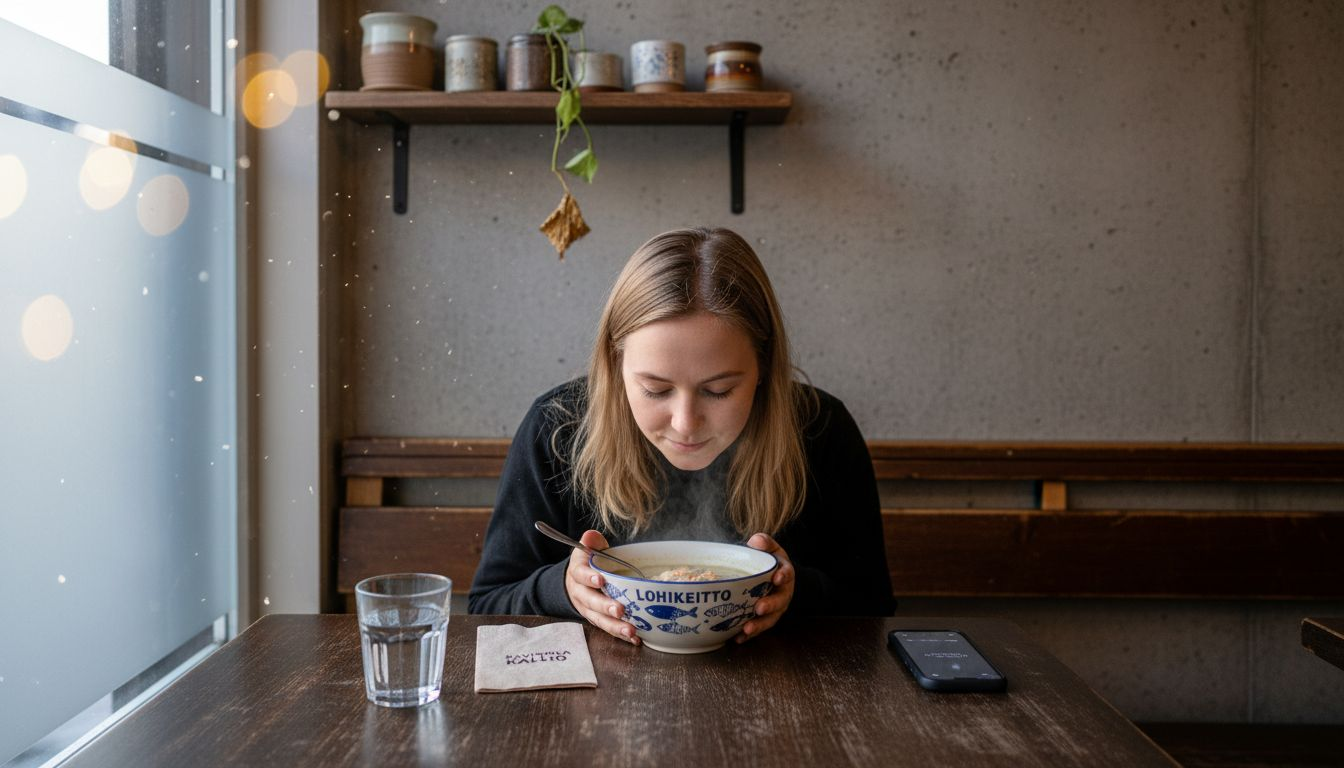
Modern experiential design challenges traditional notions of interior design. It is an art form where technology, design and human psychology meet. The goal is to create spaces that not only look good, but that truly touch and are remembered.
Pro tip: For experiential interior design: When designing a space, always think about the overall user experience first – not just individual objects or colors, but the story and feeling you want the space to convey.
This table summarizes the key benefits and impacts of experiential interior design:
| Benefit | Impact on user experience | Example of an application |
|---|---|---|
| Diversifying sensory experiences | A stronger memory is created | Combining sounds and smells |
| Storytelling the space | Add meaning to the space | Highlighting the brand's values in interior design |
| Utilizing technology | Enables interactivity | Smart lighting reacts to movement |
| Creative use of materials | Brings depth and surprise | Contrast of Musou Black surfaces |
Key elements and manifestations of experientialism
Experientialism is a multidimensional concept that transcends the traditional boundaries of interior design. According to Aistila's research, true experientialism is created when design considers all senses in a diverse and purposeful way.
The key elements of experientialism can be divided into five main categories:
- Visual element : Colors, shapes, contrasts and lighting
- Auditory element : Soundscape, music and acoustics
- Tactile element : The feel and touchability of materials
- Olfactory element : Fragrances and olfactory sensations
- Gustatory element : Experiences of taste and pleasure
According to Kespro's study, these elements together form a holistic customer experience that goes beyond just the physical environment. It's about storytelling, where every detail is meaningful and communicates with the user.
Modern experientialism combines technology, aesthetics and human-centered design. It is intelligent design where a space not only reacts, but anticipates and inspires its users. The goal is to create spaces that evoke emotions, memories and deep-seated experiences.
Pro tip: For experiential design: Don't think of space as just a composition of the physical environment, but as a story that each element tells and that each user experiences individually.
Musou Black and other innovations as creators of experiential experiences
Musou Black is a revolutionary innovation that is changing the way we think about the visual appearance of spaces. What is Musou Black? A complete guide to applications shows that it is much more than just paint – it is a technological breakthrough that allows you to create a completely new kind of contrast and depth in your interior.
Innovative materials and surface treatments are key building blocks for an immersive experience:
- Non-reflective surfaces : Musou Black absorbs up to 99.4% of light
- Color contrasts : Extremely deep black surfaces
- Lighting solutions : Light-absorbing and light-modifying surface treatments
- Textures : Multidimensional and depth-creating materials
What sets Musou Black apart demonstrates that technological innovations can create entirely new kinds of visual experiences. It's not just about color, but the ability to shape the perception of space and evoke emotions.
Technology is enabling increasingly complex and interactive interior design solutions. Musou Black is an example of how a material can be a storyteller in itself – creating depth, mystery and a completely new visual dimension to a space.
Pro tip: For a technical experience: Don't think of surfaces as just colored surfaces, but as intelligent elements that can change the experience and atmosphere of a space holistically.
The role of visual contrast in the effect of space
Visual contrast is a powerful design tool that fundamentally shapes the experience of space. Architectural lighting creates meaningful spatial experiences , where the dialogue between light and shadow creates depth, atmosphere and emotional responses.
The key mechanisms of action of contrast can be divided into the following dimensions:
- Psychological effect : Contrasts direct the eye and evoke emotions
- Spatial perception : Deepens the experience of space and creates illusions
- Aesthetic significance : Create visual tension and interest
- Functional guidance : Helps to visualize the different zones of the space
Lighting solutions to support interior design show how controlling contrast can completely transform a space – with a few right placements of light and color, a completely new experience can be created.
Modern contrast thinking goes beyond the mere juxtaposition of colors. It is about an intellectual interaction where light, shadow, material and form converse with each other, creating multi-level visual layers.
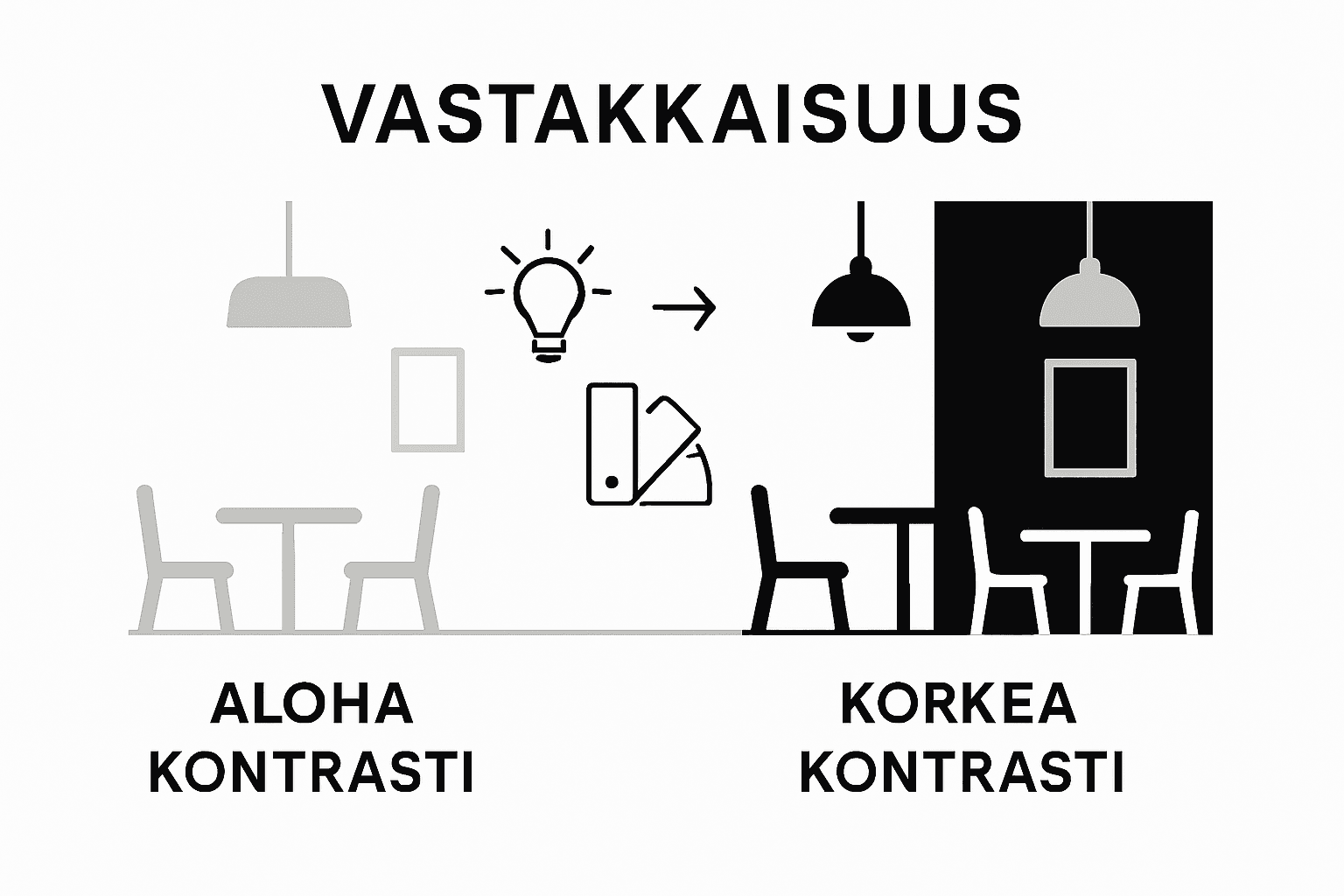
Pro tip: To manage contrast: Think of contrast as a storyteller – not just a visual element, but an intriguing form of communication that reveals something unexpected and profound about the space.
Risks, costs and differences to traditional solutions
Implementing innovative interior design solutions requires careful consideration. Research on lighting management shows that new technologies bring both opportunities and challenging cost factors.
The key risks and cost factors can be divided as follows:
- Acquisition costs : Innovative materials are more expensive than traditional ones
- Installation requirements : Often require specialized skills
- Maintenance costs : Requires special maintenance measures
- Technical complexity : Requires technical understanding
The basics of architectural lighting reveal that compared to traditional solutions, new technologies offer significantly more diverse possibilities for modifying a space.
The economic perspective requires a holistic analysis. Innovative solutions may initially seem expensive, but in the long run they can bring significant savings and added value in space utilization.
Pro tip: For technology investments: Always calculate the life cycle costs – don't just settle for the purchase price, but evaluate the long-term impact of the entire solution on your business.
Below we compare traditional and innovative interior design solutions in key areas:
| Feature | Traditional interior | Innovative interior design |
|---|---|---|
| Costs | Lower initial investment | Higher investment costs |
| Maintenance | Easier maintenance | Requires specialized knowledge |
| User experience | Partially passive | Comprehensive and inclusive |
| The role of technology | Limited | Emphasizes solutions |
Take your restaurant experience to the next level with Musou Black and innovative solutions
Experiential interior design in a restaurant requires multi-sensory consideration of the space and bold use of visual contrasts. With Musou Black, you can create spaces where light is absorbed and depth makes the viewer feel a unique atmosphere. In addition to visual experientiality, the right lighting solutions and sound-complementing lamps help to highlight your space and create a stronger memory for your customers. At the same time, for example, high-quality Lemus audio products offer a deeper experience through sound and music that complements the visual experience.
Don't just stick to traditional interior design when you can utilize technology and creative materials that evoke a heightened emotional world in your restaurant. Explore our selection and get the world's blackest paint and space-shaping solutions from the online store Dekoja.net today. Make your space a story and an experience that will stay in your customers' minds for a long time.
Frequently asked questions
What is experientialism in interior design?
Experiential design in interior design means transforming a space from a mere physical environment into a holistic sensory experience that takes all senses into account in a diverse way.
How can I create experiential spaces in my restaurant?
To create an experiential space in a restaurant, you should focus on the layout, lighting, acoustics, materials, and staff. Design the space in a way that evokes emotions and creates memories.
What role does lighting play in experiential interior design?
Lighting is a key element in experiential interior design, as it affects the atmosphere, aesthetics, and how users experience the space. Proper lighting design can significantly deepen the spatial experience.
How does technology affect experiential interior design?
Technology enables innovative and interactive interior design solutions that can change the perception of a space and evoke emotions. For example, smart lighting can react to user movements and dynamically change the mood of a space.
Recommendation
- The Importance of Aesthetics in Interior Design: A Complete Guide – Dekoja.net
- The Importance of Aesthetics in Interior Design: A Complete Guide – Dekoja.net
- The Importance of Aesthetics in Interior Design: A Complete Guide – Dekoja.net
- The Importance of Aesthetics in Interior Design: A Complete Guide – Dekoja.net