

Introducing design elements into restaurant space planning
Over 60 percent of Finnish restaurants suffer from reflections caused by lighting, which disrupt the atmosphere of the space and the customer experience. In the highly competitive restaurant industry, standing out now requires more than just a stylish color palette. The latest non-reflective surface materials offer designers the opportunity to create striking contrasts, where light and shadow support the brand story without disturbing reflections.
Table of contents
- Step 1: Plan the visual appearance of the space
- Step 2: Choose the right materials and design elements
- Step 3: Prepare surfaces for installation
- Step 4: Install non-reflective surfaces and effect paints
- Step 5: Check and finalize the final result
Quick Summary
| Key Sub-area | Explanation |
|---|---|
| 1. Design a visual whole | Create a space that visually reflects the brand's core values and tells the restaurant's story. |
| 2. Choose durable materials | Materials must be durable and easy to clean to support the customer experience. |
| 3. Take care of surface preparation | Careful preparation ensures adhesion of materials and a durable end result. |
| 4. Install non-reflective surfaces | Use non-reflective surface textures that improve lighting without disturbing reflections. |
| 5. Check and finalize carefully | Finalize all the details and ensure that the end result meets the plan and requirements. |
Step 1: Plan the visual appearance of the space
Restaurant visual identity design is a strategic process that creates a cohesive and enjoyable customer experience. The goal is to build a space that tells the restaurant's story and visually conveys the brand's core values.
There are several important aspects to consider in a holistic space design. A restaurant concept design combines business needs and visual identity into a unified customer experience. In practice, this means reflecting the brand identity into the space through its color scheme, atmosphere, and functionality. The smoothness of the customer journey, the functionality of the space, and the aesthetics are key elements.
When building a visual identity, it’s important to create a narrative environment where every detail supports the restaurant’s story. Consider your target audience, brand core values, and the style of the area when designing the space. The goal is to create a memorable and cohesive experience that sets your restaurant apart from the competition.
Pro tip: When designing your space, boldly use contrasts and interesting details that will pique your customer's interest and visually tell your restaurant's story.
Step 2: Choose the right materials and design elements
Restaurant material choices are a critical part of space design to create a functional, sustainable, and visually pleasing environment. Choosing the right materials directly impacts the customer experience, the functionality of the space, and the restaurant's brand image.
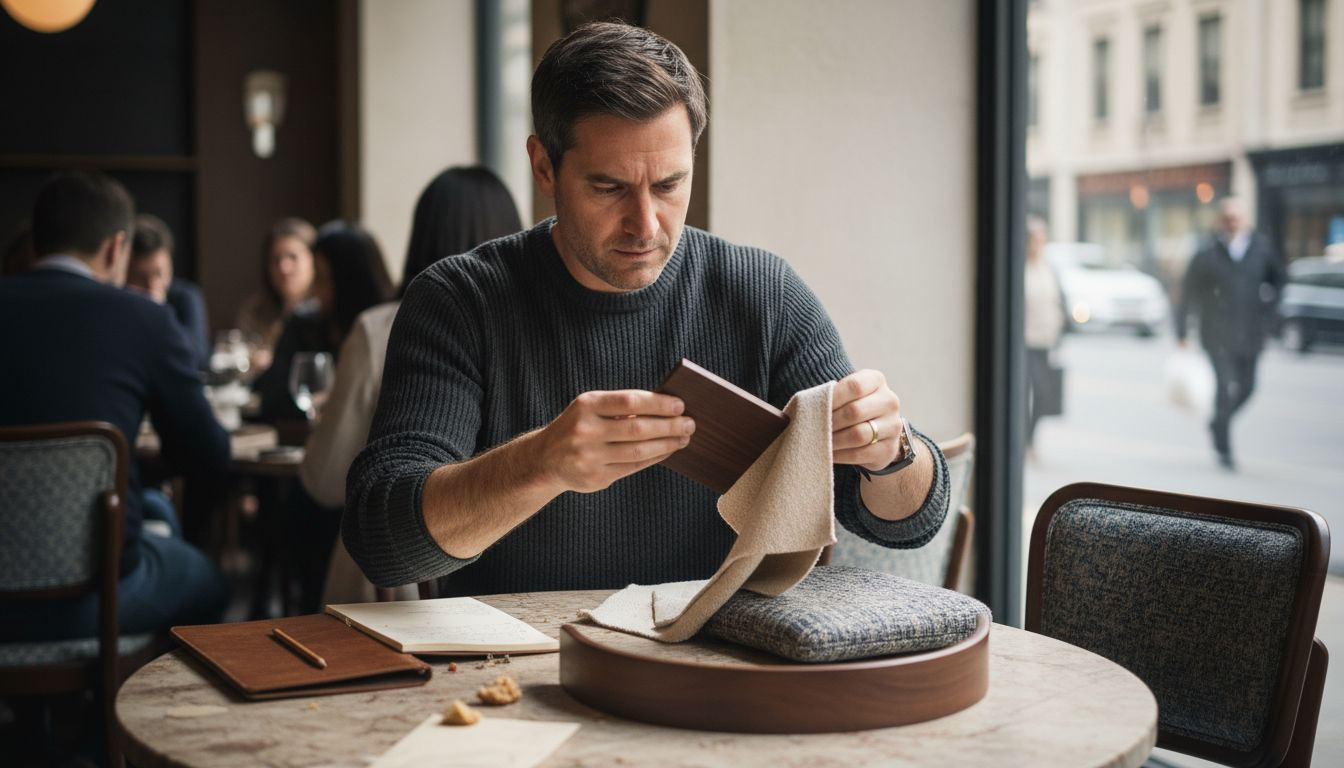
There are several important aspects to consider when choosing materials for a restaurant . The materials must be durable, easy to clean and acoustically functional. Different spaces require different material solutions for, for example, floors, countertops and walls. Floors in dining rooms must withstand heavy wear, while moisture-resistant surfaces are emphasized in bar areas.
The most important criteria when choosing materials are safety, hygiene, aesthetics and brand support. Choose materials that can withstand daily use, are easy to clean and create the desired atmosphere in your restaurant. Consider the color scheme, surface textures and compatibility of the materials in terms of the overall look.
The table below compares common material choices for restaurant space design according to the intended use of different spaces:
| Status | Recommended material | Business benefit |
|---|---|---|
| Dining room | Wear-resistant parquet | Can withstand customer flow for a long time |
| Bar | Waterproof microcement | Reduces the need for damage repairs |
| Kitchen | Hygienic tile | Makes cleaning easier |
| Toilet facilities | Non-slip tile | Improves customer safety |
Pro tip: Test materials in advance under real-world conditions and request samples so you can evaluate their durability and appearance in practice.
Step 3: Prepare surfaces for installation
Careful surface preparation is a crucial step in restaurant space design, as it lays the foundation for the success of the entire interior design project. The goal is to ensure that the selected materials adhere properly and create a durable, functional whole.
User-oriented space planning takes into account the details of the preparation of structures and surfaces, which are essential for the functionality of the restaurant. Start by mapping the condition and evenness of existing surfaces. Remove old wallpaper, paint surfaces or other layers that may prevent the adhesion of new materials. Clean the surfaces thoroughly of dust, grease and other contaminants, using cleaning agents and methods suitable for the purpose.
Successful surface preparation requires careful planning and technical expertise. Level uneven surfaces, repair any damage and create a level surface for new materials. Pay special attention to moisture management and any waterproofing requirements, especially in wet areas. Measure surfaces carefully and mark installation points accurately for a professional and finished result.
Pro tip: Always seek professional help or consult an expert if you are unsure of the technical details of surface preparation or are faced with challenging surface materials.
Step 4: Install non-reflective surfaces and effect paints
Anti-reflective surfaces are an innovative solution for managing the visual appearance and lighting of a restaurant. The goal is to create a space where light works systematically and creates the desired atmosphere without disturbing reflections.
Surface structures utilizing nanotechnology reduce light reflection almost completely and improve the visual functionality of the space. Start installation with carefully prepared surfaces, paying special attention to material compatibility and installation accuracy. Use professional tools and follow the manufacturer's installation instructions. Check that there are no air bubbles or unevenness on the surface that could interfere with the functionality of the non-reflective surface.
Effect paints can add depth and interest to your restaurant space. Follow precise application techniques and allow the coats to dry thoroughly according to the manufacturer’s instructions. Make sure the finish is consistent and supports your restaurant’s brand and ambiance. Measure and mark installation locations in advance to ensure a professional and visually pleasing finish.
Pro tip: Test the functionality of non-reflective surfaces in different lighting situations before final installation and document the process for possible future reference.
Step 5: Check and finalize the final result
Reviewing the final result is a crucial step in a restaurant space design project, where the success of the entire implementation is assessed and the details are finalized. The goal is to ensure that the implementation corresponds to the original plan and meets the set quality and aesthetic requirements.
Pay attention to the finishing of every detail and check the following areas: the quality of the materials’ attachment, the evenness of the surfaces, the uniformity of the colors, and the functionality of the lighting. Critically evaluate whether the design elements fulfill the original vision of the restaurant’s atmosphere and brand. If necessary, make small corrections and adjustments that will increase the level of finish of the final result.
Compare the actual space to the original plan and document any deviations or suggestions for improvement. Take photos from different angles and lighting conditions to fully assess the functionality and visual appearance of the space. If necessary, ask an external professional or the client for their opinion on the final result.
The following table summarizes the spatial planning stages and related checklists that are important for project management:
| Step | The most important thing to check | Why is it important? |
|---|---|---|
| Groundwork | Surface smoothness | Ensures the attachment of materials |
| Installation | Correct installation method | Extends the lifespan of the end result |
| Finish | Accuracy of details | Gives a professional look |
| Final inspection | Lighting suitability | Natural and cozy atmosphere |
Pro tip: Do a final inspection at different times of the day and in different lighting situations to ensure the functionality and visual appearance of the space in all conditions.
Take your restaurant's space design to the next level with non-reflective and effect paints
The introduction of design elements into restaurant space planning emphasizes the importance of the visual whole and requires careful preparation of coatings and consideration of material choices. The article emphasizes the important role of non-reflective surfaces and effect paints in creating atmosphere and controlling lighting. This can be challenging to achieve without the right materials that simultaneously support durability, aesthetics and technical requirements.

Dekoja.net offers innovative solutions for restaurants, such as Musou Black , the world's blackest paint and its material family, which allows you to maximize visual contrast and create a dramatic, non-reflective finish that is perfect for demanding space design projects. In addition, you will find a wide range of lighting fixtures that complement the atmosphere of the space and support lighting design.
Don't settle for a mediocre surface solution, create a visually clean and impressive space for your restaurant that will be remembered. Explore our range of materials and start your project today while benefiting from the support of our professional team. See more and find your perfect design elements at Dekoja.net .
Frequently asked questions
What are the most important design elements in restaurant space planning?
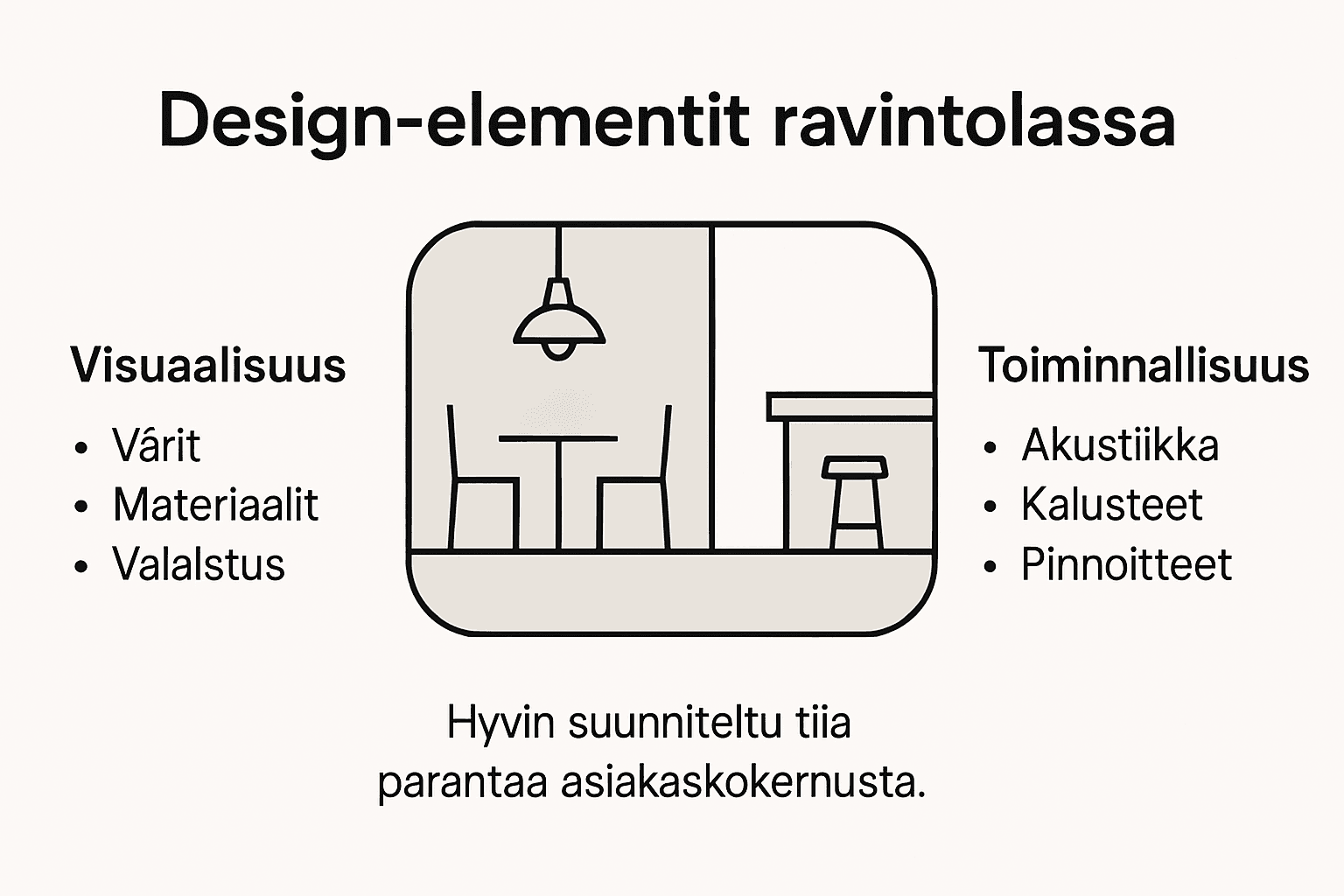
The most important design elements in a restaurant’s interior design are colors, materials, lighting, and furniture. Plan carefully to create a cohesive and inviting environment for your customers.
How can I choose the right materials for my restaurant premises?
Choose materials that are durable, easy to clean, and fit your restaurant's concepts. Compare different material options and request samples so you can evaluate their practical use.
How can I properly prepare surfaces for installation?
Preparation begins with inspecting existing surfaces and cleaning them of old layers. Make sure the surfaces are flat and dry before installing new materials.
What is the advantage of non-reflective surfaces in restaurant design?
Non-reflective surfaces improve the lighting of a space and reduce distracting light reflections. Use these surfaces to create a pleasant and inviting atmosphere for customers.
How can I ensure the quality of the end result in space planning?
Check the final result carefully, and evaluate the quality of materials, surface smoothness, and lighting. Recommend checking at different times of the day to ensure the best possible customer experience.
Why is it important to document the space design process?
Documenting your design process allows you to evaluate what has been done and what improvements you can make in the future. It also allows you to share experiences and learn from other designers and experts.