

Architectural Lighting – How It Transforms the Experience of Space
More than 80 percent of the atmosphere in a space is created by the play of light and shadow. That's why architectural lighting is a crucial factor when it comes to giving spaces their own unique character and dynamics. Properly designed lighting highlights details, creates depth and even influences how a space is perceived. This article provides practical tips and examples of how light can elevate a space to a new level, both at home and in public environments.
Table of contents
- Architectural lighting and spatial dynamics
- Lighting types and advanced technologies
- Visual contrast and the use of musou black
- Most common challenges and design errors
- The role of lighting in restaurants and public spaces
Key considerations
| Paragraph | Information |
|---|---|
| Architectural lighting is an art | Lighting is more than just a technical solution; it shapes space and creates atmospheres. |
| The interaction of light and shadow | Well-designed lighting highlights architecture and changes the experience of space through depth. |
| Visual contrast | Creating contrast enhances the experience of a space; Musou Black can be an effective tool in this process. |
| The role of lighting in user experience | The right lighting is a crucial factor in restaurants and public spaces, affecting mood and behavior. |
Architectural lighting and spatial dynamics
Architectural lighting is much more than just the placement of lights. It is an artistic and technical process in which light is transformed into an element that shapes space. Natural light can be used as an architectural element to create an impressive spatial experience , which means that light is not only an enabler of visibility, but an active builder of atmosphere.
The dynamics of a space are created by the interplay of light and shadow. When lighting is intelligently designed, it can highlight architectural details, create depth, and change the way a space is experienced. For example, indirect lighting can soften corners, while sharp spotlights can create dramatic contrasts and interesting shadow areas.
Architectural lighting also acts as a spatial control mechanism. It can guide the eye, define views, and create visual pathways that guide human movement and experience within a space. Careful control of color, intensity, and direction allows for the creation of moods and experiences that furniture or surface materials alone could never achieve.
In practice, this means that lighting is much more than just a technical solution. It is a strategic design tool that can shape space, create meaning and evoke emotions. Architectural lighting is an art that touches us on both a visual and psychological level.
Lighting types and advanced technologies
Lighting types have evolved significantly in recent years, offering more versatile and intelligent solutions for modifying spaces. Building Information Modeling (BIM) now allows lighting elements to be automatically detected and located , enabling more accurate and efficient lighting design.
Modern lighting types can be roughly divided into three main categories: functional, mood and artistic lighting. Functional lighting focuses on practicality, providing sufficient light for work and daily activities. Mood lighting, on the other hand, uses colors, dimmers and directional lighting to create different moods and atmospheres. Artistic lighting sees light as a creative element that can be used to emphasize architectural forms and create visual spectacles.
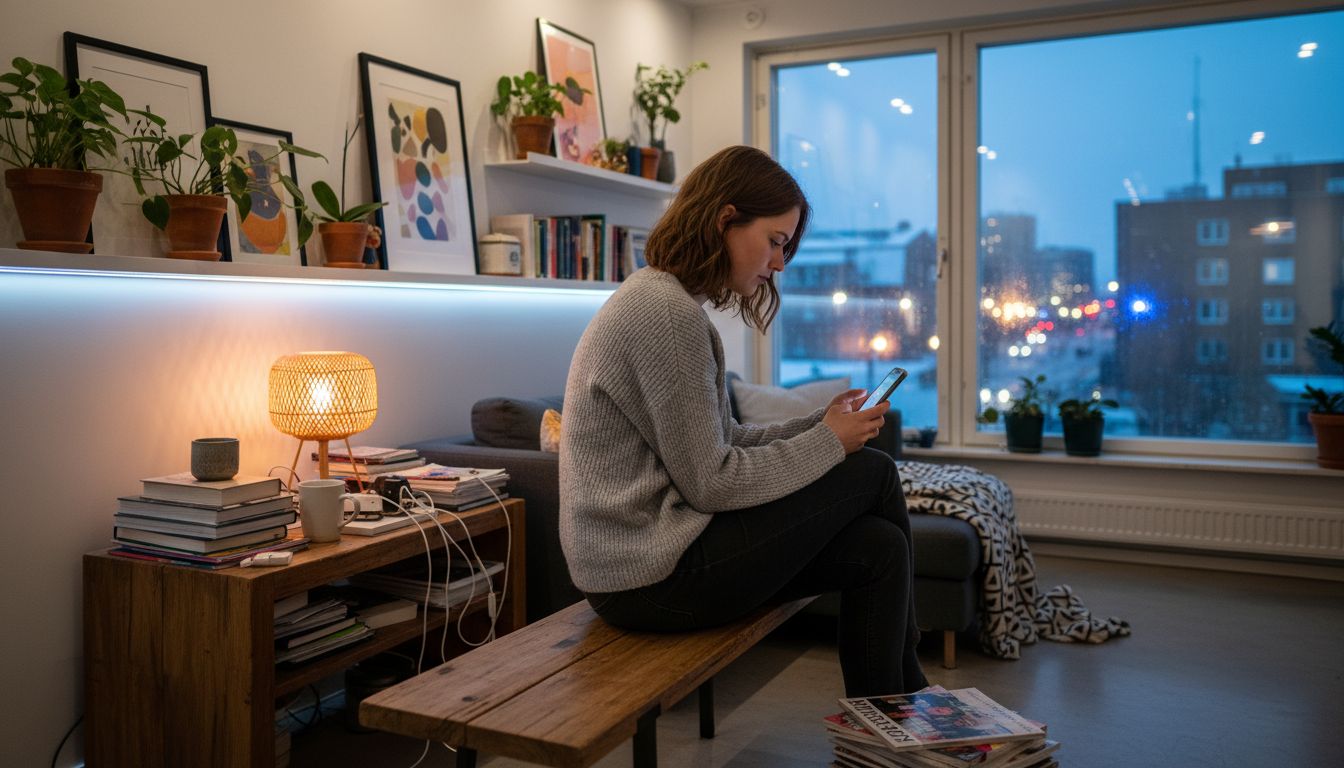
Tools that combine virtual reality and daylight analysis have revolutionized the way we design and visualize lighting. These technologies allow designers to create physically accurate lighting simulations that look exactly as they would in real space. This allows lighting solutions to be tested and modified virtually before actual implementation.
Advanced lighting technologies are no longer just technical solutions, but real tools for shaping space. They combine light, technology and aesthetics in a way that changes the way we perceive our surroundings. Whether it is a home, office or public space, modern lighting can create experiences that evoke emotions and shape our spatial perception in a completely new way.
Visual contrast and utilization of Musou Black
Visual contrast is the most powerful tool in architectural lighting to shape and experience a space. Musou Black's unique properties offer a revolutionary way to create depth and drama in any space, as it absorbs up to 99.4% of visible light.
Creating contrast is not simply a juxtaposition of black and white surfaces. It is a complex visual strategy where light, shadow, surface materials and colors combine to create depth and dimension. Musou Black is an excellent tool in this process because it absorbs light so effectively that it changes the basis of how we perceive space.
In architectural design, visual contrast can serve many purposes. It can frame views, highlight architectural elements, create illusions of space, and even influence how people move and behave in a space. Musou Black allows for extremely precise control of these contrasts, creating surfaces that disappear or stand out depending on the light.
In practice, Musou Black opens up new possibilities for designers, architects and artists. It is not just a color or a material, but a tool with which to shape the spatial experience in a completely new way. Whether it is an exhibition space, a restaurant, a home or a public building, this material offers the opportunity to create amazing visual contrasts that change the way we perceive space.
Most common challenges and design errors
Architectural lighting design is a complex process where even small mistakes can ruin the functionality of the entire space. Adaptive lighting can bring new dimensions to various interior and urban spaces , but at the same time there are several pitfalls that can ruin the entire lighting plan.
The most common design mistakes are too uniform lighting, which creates a monotonous and lifeless space, and the wrong dimensioning of light intensity. Many designers make the mistake of focusing solely on light intensity, forgetting about the quality, color temperature and direction of light. Lighting should create depth, highlight the architectural elements of the space and guide the eye in the desired way.
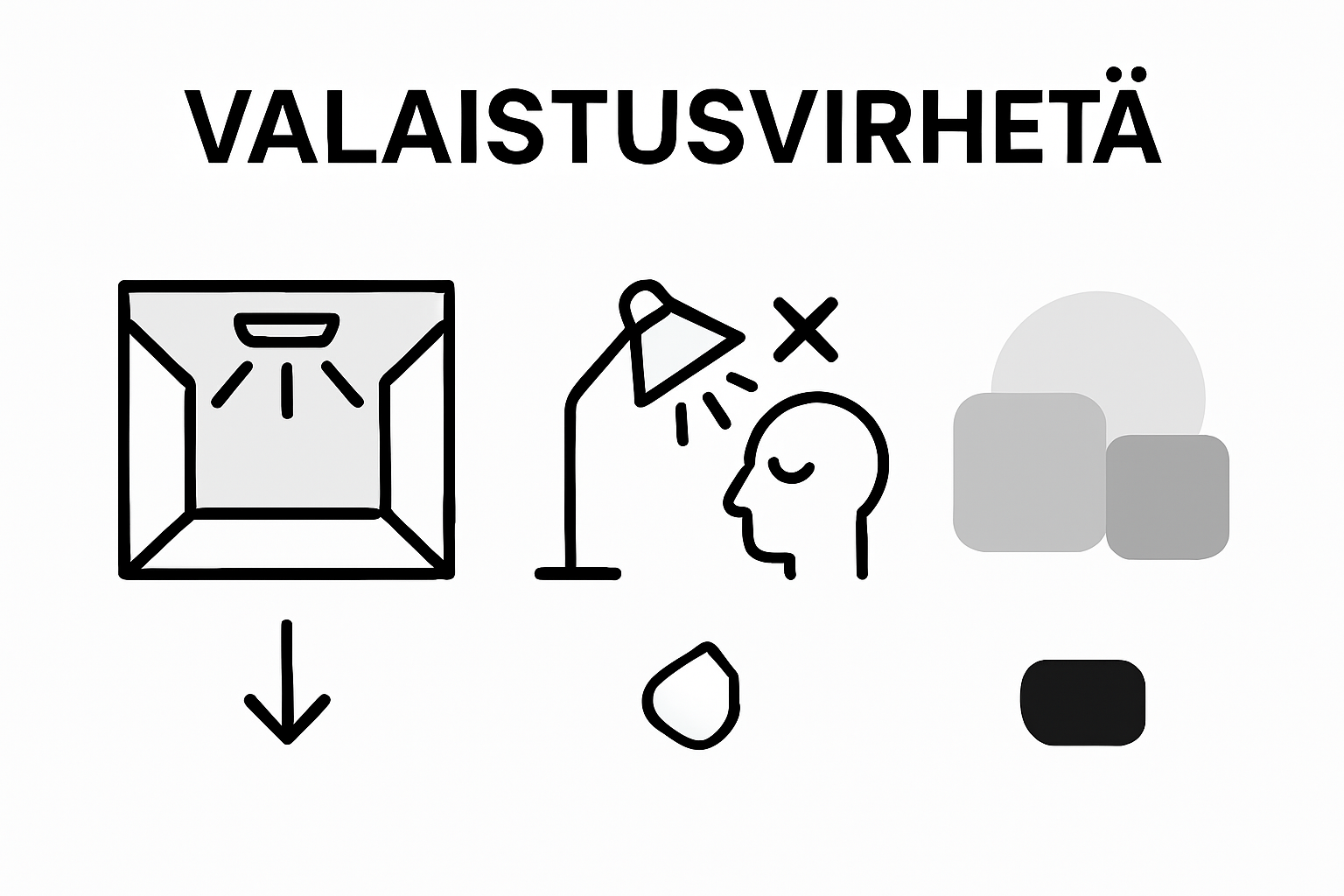
Another major challenge is understanding the psychological impact of light. Light is not only an enabler of visibility, but it directly affects a person’s mood, alertness and behavior. Light that is too cold or harsh can cause stress, while properly designed lighting can create a calming and inspiring environment. Designers should therefore think of light as a holistic experience, not just a technical detail.
In practice, a successful lighting design requires multidisciplinary understanding. It requires not only technical expertise but also an aesthetic eye, psychological understanding and the ability to see the space as a whole. Learning from mistakes is part of the design process – every failed solution is an opportunity to develop and understand the complexity of light more deeply.
The role of lighting in restaurants and public spaces
Lighting is much more than just a functional element in restaurants and public spaces. Adaptive lighting can bring new dimensions to various indoor and urban spaces, completely transforming the experience of the space and the user's interaction with their environment.
In restaurants, lighting is a critical part of the customer experience. It not only illuminates the space, but also creates atmosphere, guides the eye, and structures the different zones of the restaurant. For example, soft, dim lighting can create an intimate and romantic atmosphere, while brighter, directional lights can highlight food presentation or create an energetic atmosphere.
In public spaces, such as museums, galleries, or city squares, lighting has an even broader meaning. It can guide people’s movement, arouse interest in different objects, and create visual pathways. Lighting can highlight architectural details, highlight sculptures or other works of art, and even change the experience of the space at different times of the day.
In practice, lighting is a strategic design tool that shapes the overall spatial experience. It influences people’s mood, behavior, and enjoyment of a space. Whether it’s a modern restaurant, a historical museum, or a public park, properly designed lighting can completely transform a space – creating experiences that will be remembered for a long time.
Taking architectural lighting to the next level with Musou Black
Architectural lighting is a promising way to dramatically change the experience of a space. The article highlighted the role of lighting in creating mood and depth, and the importance of visual contrast in enlivening a space. When the goal is to avoid a flat and lifeless space or lighting distortions, it is important to choose materials like Musou Black that absorb light effectively and create depth and drama. Controlling visual contrast gives the designer new opportunities to direct the eye and effectively highlight architectural details.
Dekoja.net offers a wide range of lighting and unique surface solutions that help bring out the best in lighting and architecture. Musou Black material is a solution for demanding environments, such as restaurants and exhibition spaces, where lighting is used to create unforgettable experiences.

Take the next step in lighting and materials for your space by exploring our selection. Elevate the atmosphere and visual contrast of your space with Dekoja.net today.
Frequently Asked Questions
How does architectural lighting affect the atmosphere of a space?
Architectural lighting creates depth in a space, highlights structural details, and can transform the user experience by creating different moods through the interaction of light and shadow.
What are the types of architectural lighting?
Architectural lighting can be divided into three main types: functional lighting, mood lighting, and artistic lighting, all of which serve different purposes and moods in a space.
How can I avoid the most common lighting design mistakes?
It is important to consider the quality, color temperature, and direction of the light. The lighting should be appropriately intense and create depth so that the space does not appear monotonous.
How can visual contrast be utilized in architecture?
Visual contrast can highlight architectural elements of a space, create illusions, and direct the eye in a desired way, making the experience of the space more diverse and interesting.