

Smart homes and material choices – visuality and experientiality in spaces
Creating contrast and atmosphere in a restaurant requires more than just the right furniture or sleek lighting. In interior design, the key is how technology and materials support each other and enhance the story of the space. Innovative materials like Musou Black completely change the way light and depth of space are experienced . This article explains the basics of smart interior design technology and shows how a combination of modern technology and novel surfaces can be used to create unique experiences in Finnish restaurants and design accommodations.
Table of contents
- Smart home basics and common misconceptions
- The data network is the heart of the network
- What you need to know when getting started
- Types of smart technology and materials and their effects on spaces
- The role of Musou Black and other innovative materials in interior design
- Benefits, risks and costs in material choices for restaurants
- Creating a competitive advantage with visual and technically advanced solutions
Key Findings
| Score | Detail |
|---|---|
| A smart home needs planning | Smart technology alone without systematic design will not automatically make a home smarter. Design ensures that systems support each other and improve the user experience. |
| The network is a key factor | A strong and seamless data network is required for intelligent systems to function effectively. A weak network can slow down or prevent systems from functioning. |
| Misconceptions are common | Many believe that implementing smart homes is too expensive or technically difficult. It is recommended to start with simple solutions, such as smart lights, and expand gradually. |
| Material choices matter | The right materials improve the usability of the space and the customer experience. Durable and easy-to-maintain materials can save costs in the long run. |
Smart home basics and common misconceptions
The basis of a smart home is simple: a house where technical systems communicate with each other and receive instructions from the user. It is not about high-tech theater, but about practical machinery that makes everyday life easier and the restaurant space more attractive.
What intelligent systems actually do
Smart buildings connect lighting, heating, sound systems and security systems to the same network. This means that your restaurant can have a single display panel or app to control everything that is essential for the atmosphere and functionality of the space. No separate cables for each system, but an integrated solution.
But here comes the first misconception: smart homes are not automatically “smarter” than regular houses without proper planning. Just a bunch of smart devices without systematic thinking is like buying expensive paint without a plan for the walls.
Common misconceptions we see
- It's too expensive to start – You can start with one smart light and expand gradually without unnecessary renovation
- All devices must be purchased from the same brand – Nowadays, many devices work together as long as the protocol is the same
- Installation is complicated and time-consuming – Wireless systems significantly reduce installation work
- Technology makes space “cold” and “unnatural” – Properly designed intelligent systems belong in the space, like our solutions that recognize the visual experience of materials
The true power of a smart home is that technology fades into the background, leaving visible, important elements in its place – such as lighting, colors, and materials.
The data network is the heart of the network
The most common mistakes in network design are underestimating capacity, lack of documentation, and poor installation. In a restaurant where you want to control lighting, sound, and air conditioning from a single point, you need a stable network. Without it, the system will slow down or not work.
Many people think that regular WiFi is enough. In reality, smart systems need a dedicated network that can handle simultaneous connections. This is essential in indoor environments where users, visualisation technologies and control systems work side by side.
What you need to know when getting started
Prepare these before calling the technicians:
- Figure out what you want to automate – lighting, air conditioning, sound system, or everything
- Estimate how many devices will be on the network – each device will need bandwidth
- Plan the location of the network and the placement of wireless points
- Document everything – future maintenance and expansions are easier
- Test the system before inviting customers or guests to your site
Smart buildings are evolving rapidly. Solutions are being developed in Helsinki that integrate buildings into smart grids and monitor systems in real time through digital twins. This means that the choice of platform today can also be flexible tomorrow.
Pro tip: Don’t start with the technology – start with the user’s needs. What do you want your customers or guests to experience in your space? Technology serves the experience, not the other way around.
Types of smart technology and materials and their effects on spaces
Smart technology and materials are not separate things in the interior design of a restaurant or designer accommodation. They work together to create spaces where technology serves the visual experience, not the other way around. When you combine smart systems with the right materials, the space becomes more than the sum of its parts.

Main categories of smart technology
Intelligent systems fall into a few main types that affect the experience of space in different ways:
- Lighting Control Systems – Adjustable color, brightness, and timing to create the ambiance of a space
- Climate automation – Temperature and ventilation that affect comfort invisibly
- Sound Systems – Acoustic management and music playback that complement the visual experience
- Sensors and data collection – Motion, light and temperature measurement that controls other systems
Emphasizing lighting in interior design is one of the most effective ways to create contrast and depth using smart systems.
Below you can see a close comparison of the benefits and potential challenges of the most common types of smart technology systems in restaurants:
| Systems | Value proposition for business | Possible challenge in implementation |
|---|---|---|
| Lighting control | Mood control and energy saving | Programming the lights requires some training. |
| Air conditioning automation | Better comfort and lower electricity bills | Requires regular maintenance |
| Sound systems | Brand profile and spatial experience | Acoustic changes can surprise you |
| Sensors and data collection | Utilization monitoring and security | Data protection obligations |
The role of materials in a smart space
A material is not just a view. It is a surface on which light is reflected, on which sound behaves, and which creates an emotional response. Dark, non-reflective surfaces, such as black paint, absorb light and create dramatic contrasts with lighting.
The combination of the scent and visual appeal of wood reduces stress and improves recovery indoors. Both real and simulated natural materials can produce significant well-being effects.
When smart technology and materials work together, they don't compete for attention – they complement each other and strengthen the story of the space.
Practical combinations in restaurants
How do these work in practice?
- Dark Surface Lighting – Smart lights are strategically placed on dark materials, creating depth and contrast
- Material Acoustics – Using porous materials in conjunction with sound systems improves sound quality
- Interaction between temperature and material – Some materials feel different temperatures; smart air conditioning can shape the experience
- Sensory systems and ambiance – Sensors can trigger lighting changes that match the colors of materials
Responsible smart technology in interior design
The responsible application of future technologies requires ethical considerations. Intelligent systems can collect data about customers – make sure you use this data with respect and transparency.
Choose materials and technology that are durable and long-lasting. Fast fashion in smart tech systems does not serve restaurants that are building a lasting brand.
Pro tip: Start with one combination of smart lighting and dark materials, see how customers react, and then expand to other systems. A small, well-executed solution is better than many half-baked ones.
The role of Musou Black and other innovative materials in interior design
Musou Black is not just a color. It is a medium that changes the way lights, spaces and materials interact with each other. When this ultra-black material is combined with intelligent lighting and material systems, it creates a visual experience that customers will not forget.
Why is Musou Black different from regular black?
A standard matte black absorbs about 90 percent of light. Musou Black absorbs 99.4 percent – the difference is dramatic. Ultra-black materials based on carbon nanotubes offer significant opportunities for light absorption in exhibitions and architecture.

For interior designers, this means contrast that can’t be achieved any other way. When light hits a Musou Black surface, it doesn’t reflect back – it disappears. This creates a depth and mystique that traditional materials never produce.
Practical applications in restaurants
Musou Black works best when it's a strategic choice, not a room-wide color scheme. I prefer:
- Backdrops – Create a dramatic space where lighting and products stand out
- Beam and Detail Highlighting – Make architectural elements visible through contrast
- Exhibition and article gallery areas – Draw the eye exactly where you want it to go
- Effect surfaces – Create immersive corners where customers want to sit and enjoy their photos
Musou Black is not a color – it's control. It gives you the power to control the gaze and determine what is seen and what remains a secret.
Other innovative materials to complement
Musou Black works best when combined with other surfaces. Interior design trends emphasize colors and materials , such as light blue combined with technical materials, which create contrasts and modern visual experiences.
Use Musou Black as a base and complement it with:
- On light, reflective surfaces – Create contrast and movement
- With natural materials – Wood, stone or metals bring warmth to black
- Textured surfaces – Variations in fingerprints make spaces feel hand-tested
- With metallic accents – Nickel, copper or bronze will look great next to Musou Black
Lighting is key
Musou Black needs intelligent lighting to be effective. Without controlled light, it's just a dark wall. Step-by-step interior design methods with Musou Black show how light and materials interact.
Intelligent spotlights that adjust color and angle bring Musou Black to life. In the morning it's a neutral base, in the evening it transforms into a dramatic stage.
The following table provides a brief overview of how Musou Black compares to other innovative materials in the restaurant environment:
| Material | Impact on the space | Things to note |
|---|---|---|
| Musou Black | Maximum contrast and depth | Very sensitive to light and dust |
| Light surfaces | Expanding space, increasing light | Dirt is easily visible, requires cleaning |
| Natural materials (wood, stone) | Warm, authentic atmosphere | May require special maintenance |
| Metal and mirror surfaces | Modern look, utilizing reflections | May highlight fingerprints and scratches |
Pro tip: Test Musou Black in a small area first – on a wall panel or a painted wall in a corner. See how the lighting behaves and how your customers react before committing to larger changes.
Benefits, risks and costs in material choices for restaurants
Material choices are not just aesthetic decisions. They directly impact your restaurant’s operational efficiency, customer experience, and profitability. The right choices save money and build your brand; the wrong ones can lead to surprises and additional costs.
The benefits of using the right materials
Quality materials have tangible benefits for a restaurant. They are more resistant to daily wear and tear, require less maintenance, and retain their appearance longer.
- Longer lifespan – Better materials don’t crack, discolor, or require replacement as often
- Lower maintenance costs – Less cleaning agents, repairs and professional work required
- Better customer experience – The premises look well-maintained and professional, which increases customer satisfaction
- Brand reinforcement – Unique, thoughtful material-selective message to customers
- Responsibility – Sustainable materials and consideration of environmental impacts attract more conscious customers
Risks inherent in material choices
While investing in materials is important, there are risks to consider. Some materials may require special care or are sensitive to certain factors.
Priority risks include:
- Special maintenance requirements – Some materials require expensive cleaning agents or a professional
- Risks of Chemical Exposure – Know which detergents are suitable for your material
- Damage repair costs – Estimate how expensive it is to repair or replace the material
- Discoloration and wear – Black material can look dusty; light surfaces look dirty easily
- Risk of becoming outdated – Trendy materials can look outdated quickly
When it comes to choosing materials, risks come with money. A cheap material that breaks down in two years costs more than a more expensive one that lasts five years.
Cost Analysis: What You Should Consider
It's not enough to just look at the purchase price. Compare the true life cycle costs, i.e. the costs incurred over the entire life cycle.
The actual costs include:
- Original purchase and installation
- Regular cleaning and care
- Repairs and damage
- Professional work when needed
- Cost of renewal when the material is worn out
Material choices impact operational efficiency and risk management. Studies show that restaurants that choose durable, easy-to-maintain materials reduce overall costs by 15–25% over a five-year period.
Sustainability makes economic sense
Sustainable materials, such as trendy interior design materials that use recycled and environmentally friendly alternatives, are an investment, not a cost. They reduce the need for replacement and repair.
Additionally, customers value sustainability. A restaurant that prominently uses sustainable materials can rightfully charge higher prices and attract customers who value the same.
Pro tip: Choose materials that are durable, easy to maintain, and fit your restaurant’s brand. Paying more upfront can save you a lot over the next three to five years. Calculate the life-cycle costs, not just the purchase price.
Creating a competitive advantage with visual and technically advanced solutions
Restaurants and design accommodations no longer compete solely on food or price. The competitive advantage is created by experience – how the customer feels in the space, what they see, and how technology serves their needs invisibly.
Customer experience is the competitive advantage of the new era
Customer experience is a key competitive advantage for companies that want to stand out from the competition. Visual and technical solutions improve the customer journey, speed up transactions, and create unique added value that is difficult to copy.
A consistent, enjoyable user experience engages customers in the long term. When your restaurant’s lighting, materials, and technology work seamlessly together, customers don’t think about the technology – they just enjoy the experience.
How to stand out from the competition
Differentiation requires strategy. You can build a competitive advantage in these ways:
- Visual Identity – Use Musou Black or other iconic materials that are unique to you
- Technical integration – Smart lighting, temperature and sound that change according to the evening meal
- Personalized service – Sensors can recognize customers and adjust the space according to their preferences
- Instagrammability – Spaces where customers want to take pictures and share them on social media
- Sustainability and ethics – Visibly responsible materials and energy solutions attract conscious customers
Competitive advantage is not a single factor. It is harmony: the right materials, the right lighting, the right technology and understanding the customer's needs.
Customer focus first, technology second
A customer-centric approach , identifying customer segments and offering them added value, is the foundation of true competitive advantage. Visual and technical solutions are means, not ends.
Questions you should ask:
- Who are my customers? What do they value?
- What kind of space do they want to spend time in?
- What distractions can technology remove?
- What materials create the atmosphere they are looking for?
- How is my restaurant different from others they visit?
The answers to these questions guide every choice – from material to smart systems.
Power with technically advanced solutions
Smart interior design ideas for restaurant spaces integrate lighting, sound and materials into one experience. Technology gives you the ability to transform a space in an instant – the same space can become a breakfast restaurant in the morning and a cocktail bar in the evening.
Automation also saves time and money. Smart systems can automatically adjust lighting and temperature, reducing energy consumption and staff workload.
Pro tip: Start with one customer segment and what matters most to them. If your customers value Instagram-worthy spaces, invest in materials and lighting that create contrast and depth. The rest will build from there.
Bring smart visuals and materials to life in your space
Smart homes and material choices are building experiences out of spaces where technology and aesthetics seamlessly intertwine. The challenge is to make smart systems serve the atmosphere of the space rather than suppress it, and to choose materials that maximize visual contrast and depth, such as Musou Black, which absorbs over 99 percent of light.
At Dekoja.net, we offer exactly these solutions that make your restaurants and other spaces unique. Discover our selection that combines Musou Black with perfectly matching lamps and smart sound systems such as Lemus multi-room speakers and lamps .
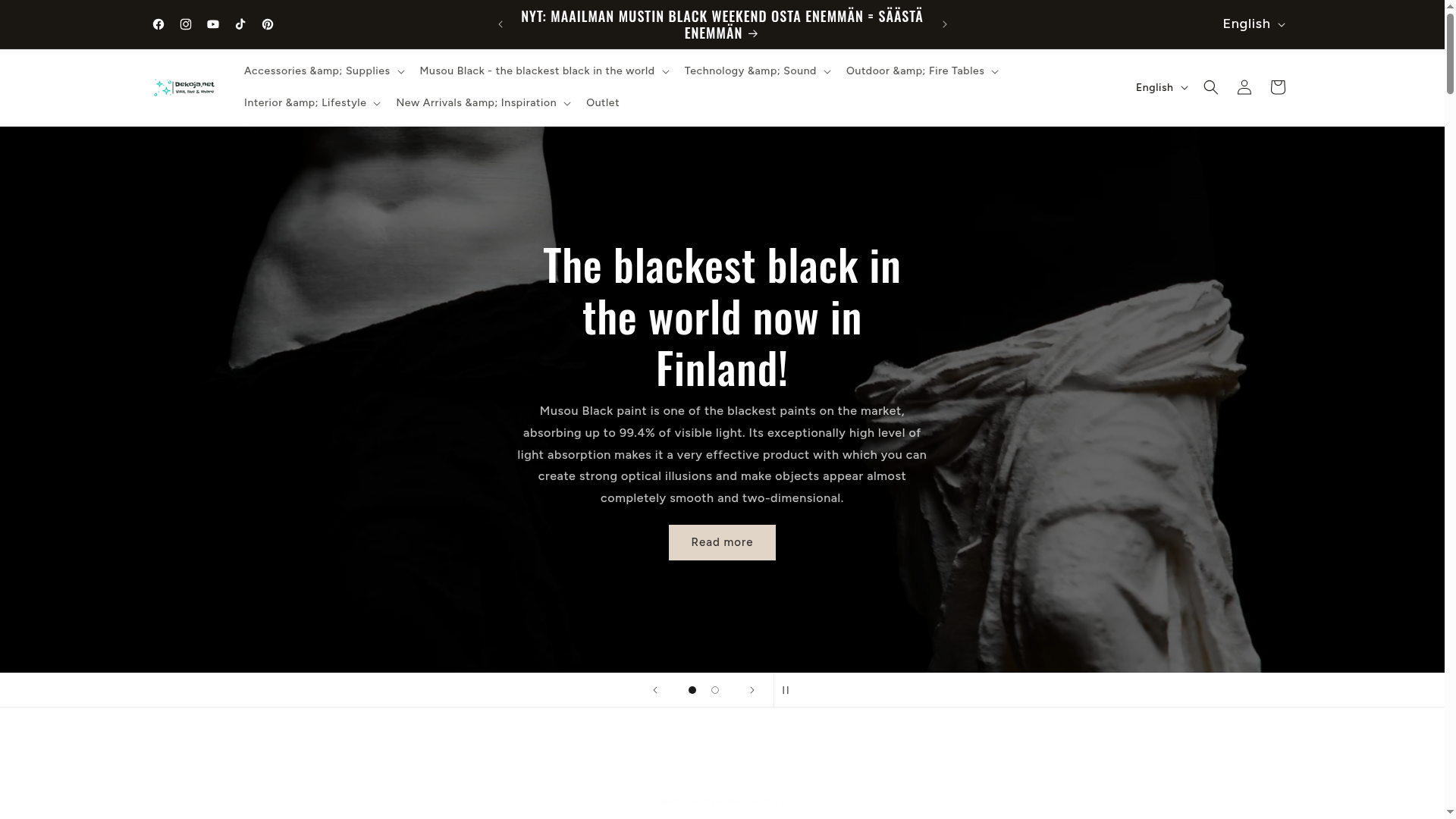
Now is the time to make your space a visual masterpiece that speaks to your customers intuitively. Take a step into the future where technology fades into the background and material brings the space to life. Find inspiration and solutions at https://dekoja.net and take the atmosphere of your space to the next level today.
Frequently asked questions
What do smart home systems do?
Smart home systems connect different technologies, such as lighting, heating, and security systems, into a single network, making their use easy and efficient.
How do I choose the right materials for my smart home interior?
The right materials should be chosen to support smart systems, create visual harmony, and be durable. The materials should also improve the acoustics and light control of the space.
Can smart home systems be expanded easily?
Yes, smart home systems can often be expanded incrementally. Starting with one system, such as smart lighting, is a good idea, and you can add other devices as needed.
What is the role of Musou Black in smart home interior design?
Musou Black is an innovative material that effectively absorbs light and creates strong contrasts in spaces. It works perfectly in combination with smart lighting solutions, enhancing the visual impact of a space.
Recommendation
- 6 trendy interior design materials and tips for a distinctive space – Dekoja.net
- 6 trendy interior design materials and tips for a distinctive space – Dekoja.net
- 6 trendy interior design materials and tips for a distinctive space – Dekoja.net
- 6 trendy interior design materials and tips for a distinctive space – Dekoja.net
- How to Select Renovation Materials for Lasting Results - Astrotech Construction