

7 inspiring examples of artistic interior design for professionals
Light management has become one of the most important interior design challenges in restaurant and art projects. Musou Black makes it possible to create spaces where surfaces absorb up to 99.4 percent of visible light and reflections almost completely disappear. Such innovative materials bring new ways to build deep contrasts and a calm atmosphere, with which Finnish interior designers and architects can stand out in demanding projects.
Table of contents
- 1. Musou black – non-reflective surfaces in the space
- 2. Artistic wall installations in restaurants
- 3. Combining lighting and materials for contrast
- 4. Minimalist effect paints for visual power
- 5. Unique interior design elements in artists' projects
- 6. Utilizing technology in artistic interior design
- 7. Customized solutions for architects and designers
Quick summary
| Key message | Explanation |
|---|---|
| 1. Musou Black changes the lighting of the space | The Musou Black surface treatment absorbs almost all visible light, creating perfect non-reflective surfaces. |
| 2. Artistic wall installations create atmosphere | In restaurants, wall installations are not just decorations, but active elements that evoke emotions and stories. |
| 3. Contrast between light and materials is important | Utilizing contrast between different materials and lighting adds depth and visual interest to the space. |
| 4. Minimal effect painting creates tranquility | Calm tones and matte surfaces create a harmonious, calming environment where every element is well thought out. |
| 5. Technology enhances creativity | Virtual design and artificial intelligence offer new opportunities and significantly speed up interior design projects. |
1. Musou Black – non-reflective surfaces in the space
For decades, interior designers have struggled with light reflection and distracting surface reflections. Musou Black offers a revolutionary solution to this eternal challenge by creating completely non-reflective surfaces that absorb up to 99.4% of visible light.
This unique material completely changes the way professionals think about the visual appearance of spaces. The Musou Black surface treatment acts like an optical silence, drawing the viewer's eyes deep into the depth of the surface without distracting reflections.
In practice, this means you can create spaces where light behaves in a completely new way. For example, showrooms, home theaters, and restaurants can utilize this technology to create dramatic, contrasting surfaces that change the experience of the space.
What's also significant is that Musou Black is not just a technical feat, but a true artistic tool. It allows you to manipulate light, create a sense of depth, and blur boundaries in a way that turns a space into a work of art.
Applications for professionals:
- Art installations
- Exhibition spaces
- Home theaters
- Restaurants
- Architectural special spaces
Pro tip: Test Musou Black paint on a small area first to see the exact effect on lighting and the mood of the space.
2. Artistic wall installations in restaurants
Restaurants today are much more than just places to eat. They are immersive spaces that tell stories and evoke emotions. Artistic wall installations have completely changed how we experience the atmosphere and aesthetics of restaurant spaces.
Experiential design acts as a social catalyst, stimulating conversation and increasing community interaction. Wall installations are no longer just decorations, but an active part of the restaurant's identity and story.
Strategic benefits of wall installations:
- Create instant visual interest
- Evoke emotions in customers
- Serves as a conversation starter
- Reflects the restaurant's brand and values
- Add emotional depth to the space
Implementation keys:
- Choose a theme that resonates with the restaurant concept
- Pay attention to lighting and color scheme
- Use materials that can withstand restaurant wear and tear
- Consider the scale of the installation in relation to the space
Pro tip: Design a wall installation that changes throughout the day depending on the light and the angle of the viewer, creating a dynamic and interactive experience.
3. Combining lighting and materials for contrast
Interior design is like a visual alchemy, where light and material come together to create a completely new experience. Creating contrast between lighting and materials is an artist's most important tool in building the atmosphere and depth of a space.
Lighting management strategies can completely transform a space. When you combine shiny metallic surfaces with matte wood surfaces and properly directed light, a dramatic visual dialogue is created that brings the space to life.
Key elements for creating contrast:
- Light direction
- Variations in material textures
- Enhancing color depth
- Utilizing shadows
- Adjusting the light intensity
Practical implementation steps:
- Choose materials with different reflective properties
- Experiment with light angles and intensities
- Combine natural and artificial light
- Test contrast at different times of day
Pro tip: Use digital 3D lighting design software after modeling the space so you can try out different lighting solutions before final implementation.
4. Minimalist effect paints for visual power
Minimal effect paints are like a visual haiku in interior design. They create depth, peace, and intentional simplicity in a space without unnecessary noise.
Creating a distinctive interior is based on considering every color and texture. Minimalist effect paint does not mean boring, but an extremely precise visual grammar, where every element is designed to maximize the impact of the space.
Basic elements of the minimalist effect painting technique:
- Use of calm tones
- Favoring matte surfaces
- Utilizing the interaction of light and shadow
- Subtle use of textures
- Understanding the emotional impact of colors
Practical implementation steps:
- Choose neutral base colors
- Focus on one main color scheme
- Use high contrasts in a controlled manner
- Try layered paint surfaces
- Test the effect of light on a painting at different times of the day
Pro tip: Use the same color palette in your painting, but use different gloss levels on varying surfaces to create depth and interest.
5. Unique interior design elements in artists' projects
The artists' interior design projects are more than just spaces, they are experiences that tell stories without words. Each element is carefully chosen to reflect the personal vision and creativity of its creator.
Choosing unique interior design elements requires the courage to break traditional design norms. Artists often use materials and shapes that evoke emotions and challenge the viewer's way of thinking.
Keys to unique interior design elements:
- Nature motifs and biophilic design
- Customized furniture
- Mixed textures
- Cultural references
- Personal narrative
Practical implementation strategies:
- Gather inspiration from your own artistic process
- Boldly combines different materials
- Create an emotional narrative for the space
- Take advantage of local artisans
- Don't be afraid to experiment.
Pro tip: Document each interior design element and its story with photography, because unique solutions are art in themselves.
6. Utilizing technology in artistic interior design
Technology is revolutionizing the world of artistic interior design in ways that would have been unimaginable a decade ago. Virtual design and artificial intelligence have opened up entirely new possibilities for creative expression.
Leading interior design trends show that technology does not replace creativity, but enhances it. Virtual reality and artificial intelligence enable a faster and more accurate design process, where the client's vision can be realized in an unprecedented way.
Strategic perspectives on utilizing technology:
- Virtual space planning
- AI-assisted design tools
- Interactive presentation templates
- Real-time visualization
- Improving customer experience
Practical implementation steps:
- Get VR design software
- Discover AI-powered design tools
- Try 3D modeling
- Develop your digital presentation skills
- Combine technology with creative thinking
Pro tip: Regularly set aside time to learn new technologies and feel free to experiment with different digital design tools.
7. Customized solutions for architects and designers
The world of architects and designers today demands increasingly specialized and flexible digital solutions. Customized tools are no longer a luxury but a necessity for professionals in the field.
Architectural lighting design is a great example of how customized solutions can enhance the design process. Custom software enables more precise and flexible project management.
Benefits of customized solutions:
- Individual project management
- More effective communication
- Accurate 3D visualizations
- Customer-specific collaboration platforms
- Intelligent building systems
Practical implementation strategies:
- Map out your specific needs
- Compare different software options
- Focus on compatibility
- Invest in education
- Continuously develop your skills
Pro tip: Always tailor your tools to the project, don't force yourself into one mold.
Below is a summary table that presents the main points, benefits, and key strategies to implement for various interior design concepts and solutions covered in the article.
| Subject | Description | Key Features |
|---|---|---|
| Musou Black and anti-reflective surface | A material that absorbs up to 99.4% of visible light. | Allows for a completely non-reflective surface, especially useful in art installations and exhibition spaces. |
| Artistic wall installations in restaurants | Create visual interest and depth in restaurants. | Emphasizes the theme with the space's lighting and color scheme, increasing customer interaction. |
| Contrasts in lighting and materials | By combining different types of surfaces and lighting elements, visual contrast is created. | Provides depth to spaces, utilizes the dialogue of shadows and light. |
| Minimalist effect paints | A technique that emphasizes the tranquility and aesthetic harmony of spaces. | Uses matte surfaces and layered paint finishes to maximize impact. |
| Individuality of interior elements | Appreciates uniqueness and artistic originality. | Handicrafts, emotional materials and individual design. |
| The role of technology in interior design | Utilizing VR and artificial intelligence in the design process. | Speeds up and improves design accuracy by visualizing customer ideas in real time. |
| Tailored solutions for professionals | Personalized tools for architects and designers. | Together, software and technology enable efficient project management. |
Create impressive spaces with artistic décor and Musou Black solutions
The challenge in artistic interior design is often to find the perfect balance between light, contrast and materials. Musou Black paint offers a revolutionary solution to this, as it absorbs over 99.4% of visible light and helps create dramatic, non-reflective surfaces that take the visual impact of your space to a new level.
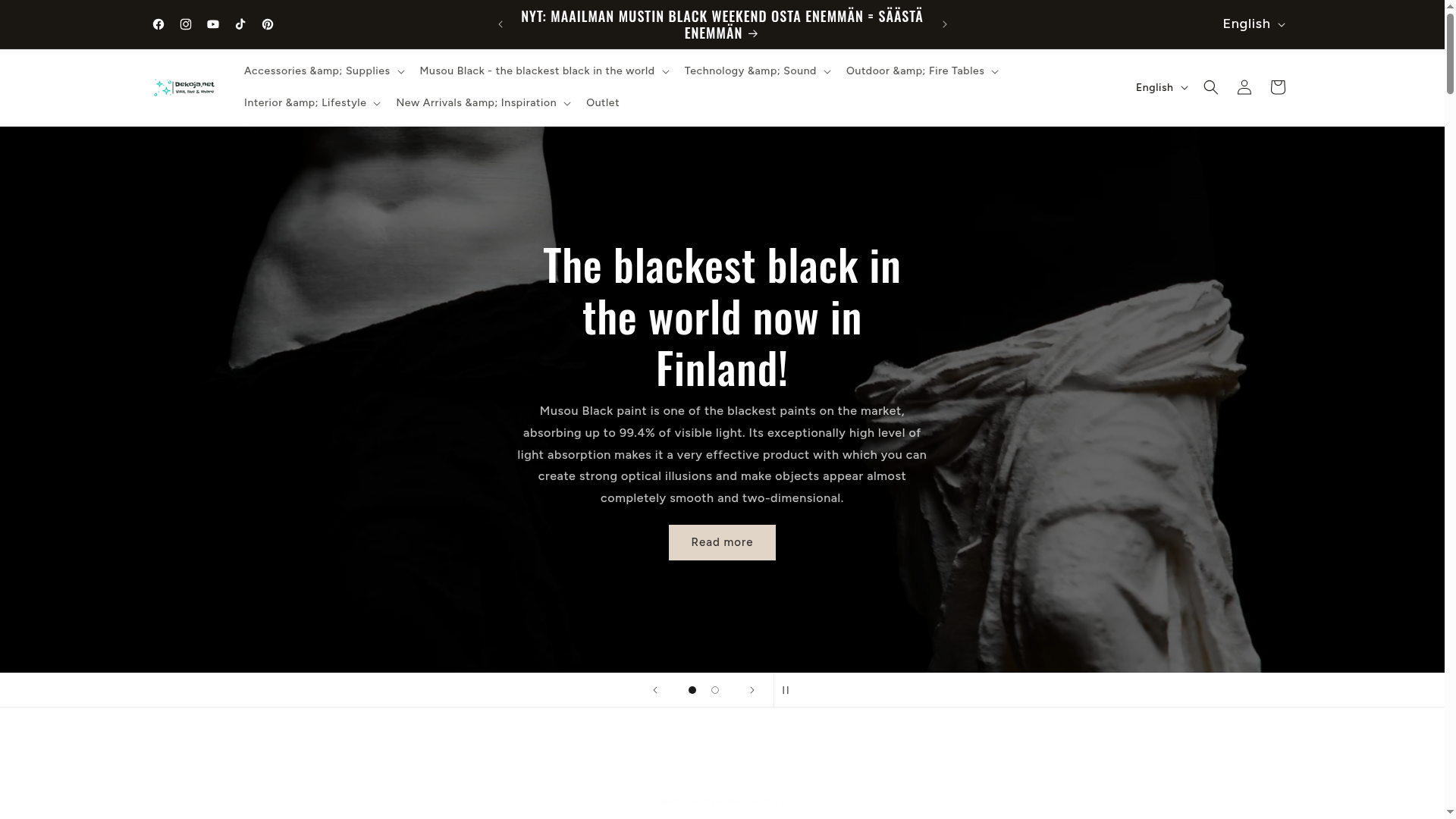
Take advantage of Dekoja.net's comprehensive selection of products, such as lamps and effect paints, as well as interior design elements that, together with Musou Black, create experiential spaces for restaurants, exhibitions and home theaters. Discover the opportunity to make your space unique and inspiring now at dekoja.net. Contact us and find the right materials for you that will turn your ideas into reality.
Frequently Asked Questions
What are artistic wall installations and how can they be used in interior design?
Artistic wall installations are visual elements that add to the atmosphere and tell stories. Utilize them in your designs by choosing a theme that resonates with the concept of your restaurant or space.
How can I combine lighting and materials to create contrast in my interior design?
Creating contrast between lighting and materials gives depth and dimension to your interior. Check the reflective properties of materials and experiment with different lighting angles.
How can I use digital design software in artistic interior design?
Digital design software can help you visualize ideas before they are implemented. Create a 3D model of the space where you can effectively experiment with different lighting solutions and materials.
What are the benefits of minimal effect paints in interior design?
Using minimal effect paints brings calm and depth to a space. Choose neutral tones and focus on one main color scheme to emphasize the visual power of the space.
How can I choose unique interior design elements for an artist project?
The selection of unique interior design elements is based on personal narrative and creative expression. Gather inspiration from the world around you and boldly combine different materials.
What is the role of technology in artistic interior design?
Technology helps enhance creative expression in artistic interior design. Leverage virtual design and artificial intelligence to streamline the design process, allowing you to achieve more precise and innovative solutions.
Recommendation
- Experiential design in interior design – Experiential spaces for restaurants – Dekoja.net
- Experiential design in interior design – Experiential spaces for restaurants – Dekoja.net
- Experiential design in interior design – Experiential spaces for restaurants – Dekoja.net
- Unique interior design products listing – Comparison 2025 – Dekoja.net