

7 innovative design elements for your home
Have you encountered challenges when you want to change the atmosphere of your home or the functionality of your workspace with surface materials? Often, glossy walls reflect light and disrupt both the visual appearance and acoustics. The uneven behavior of the lights and the restlessness of the space can make the feeling restless and the desired harmonious effect is not created.
This list provides practical tips and new solutions to help you utilize innovative surface materials, such as the world's blackest paint, Musou Black , non-reflective background walls, and effect paints to enhance your interior and space design. You'll learn how these technologies and materials reduce glare, deepen space, and improve acoustics in your home, office, or restaurant.
Keep reading and you will find concrete guidelines that will help you create visually impressive and functional spaces. With these insights, you will have access to solutions that professionals are already using across Finland.
Table of contents
- 1. Musou Black's possibilities in home decoration
- 2. Non-reflective background walls to calm the space
- 3. Effect paints as visual contrast
- 4. Lighting accents on non-reflective surfaces
- 5. Personalized interior design elements to increase creativity
- 6. Minimalism and technology combined with everyday life
- 7. Durability and maintenance of design elements in home use
Quick Summary
| Key message | Explanation |
|---|---|
| 1. Musou Black creates depth and contrast | Use Musou Black in specific areas, such as accent walls, to enhance the visual appeal of a room. |
| 2. Non-reflective surfaces calm the space | Choose non-reflective surfaces to improve the acoustics of the space and reduce distractions. |
| 3. Effect paints add visual drama | Take advantage of the ability of effect paints to add interest without major structural changes. |
| 4. Lighting affects the atmosphere of a space | Design lighting with non-reflective surfaces to create a harmonious and pleasant environment. |
| 5. Sustainability is key in design elements | Choose durable materials and maintain them regularly to keep them beautiful and functional for a long time. |
1. Musou Black's possibilities in home decoration
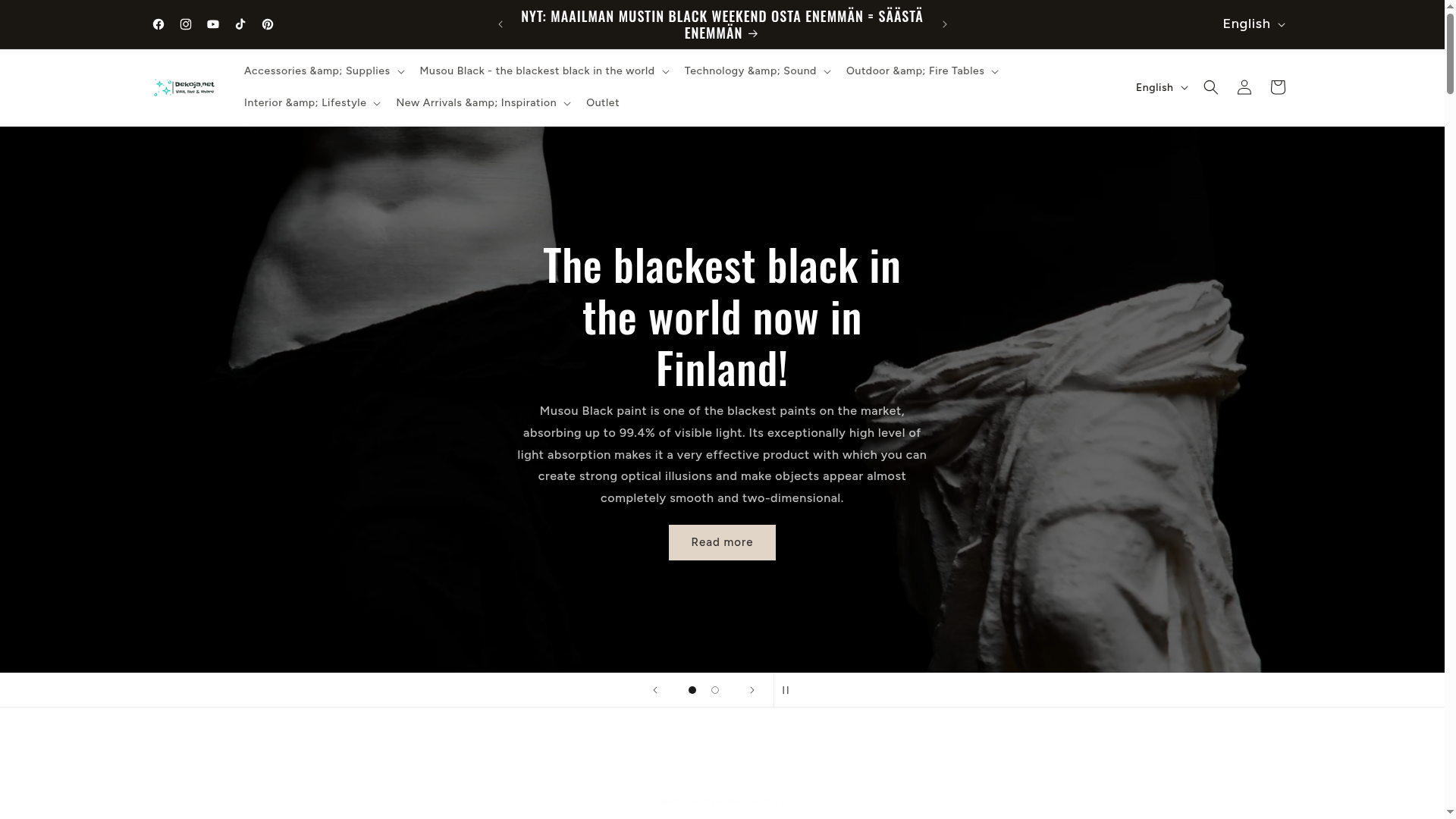
Musou Black is a material that is radically different from standard matte black paint. This blackest paint in the world absorbs 99.4 percent of light , creating an optical illusion that completely changes how people experience a space. As an interior designer or architect looking to create visually clean and dramatic spaces, Musou Black offers you an opportunity that traditional materials cannot replicate. It doesn’t reflect light, it completely eliminates it, making black surfaces seem like a gateway to something unknown.
From a design perspective, however, applying Musou Black requires careful strategy. You can use it as an accent on specific walls in your room, such as the back of a study or the living room entertainment area, to create depth and contrast. When you overlay Musou Black with light or light colors, the visual difference becomes extremely dramatic. In a home theater or creative workspace, this material gives you the perfect platform where light behaves in a way that professionals have long dreamed of. Integrating new innovative surface materials requires careful planning to balance the functionality and aesthetics of the space and create a truly impressive end result.
On a practical level, you should start with small areas. Test Musou Black on a single wall or niche first before using it on larger surfaces. The material’s exceptional absorption capacity means it radically changes the way light behaves, affecting the mood of the entire room. Think about the lighting in your room as part of your design, as Musou Black turns light into an experience, not just a functional element.
Pro Tip: Use Musou Black in strategic locations where you want maximum contrast, such as in a showroom or restaurant. Pair it with lighter surfaces to create a visual calm that draws the viewer's attention exactly where you want it.
2. Non-reflective background walls to calm the space
Non-reflective backdrops are one of the most effective ways to change the mood and functionality of a space. They not only affect how a space looks visually, but also how it feels. When you choose a non-reflective surface as a backdrop, you are actively trying to reduce the distractions that traditional glossy surfaces bring. As a professional, you know that the right backdrop calms a space and gives your content room to breathe.
In addition to providing visual comfort , non-reflective surfaces reduce echo and background noise in a space , which significantly improves comfort. When you are in a restaurant, office or showroom, unwanted reflections interfere with your vision and hearing. Matte background walls act like silent doors, absorbing light and sound at the same time. Background and projection walls are suitable for spaces where you want to focus on the content without visual distractions . This makes them an ideal choice for home theaters, home offices and creative spaces where concentration is paramount.
In practice, anti-reflective background walls give you the opportunity to control the space in a holistic way. They eliminate unwanted shiny reflections that interfere with the presentation of content or make it difficult to visualize. If you are creating a space in your home where you want to relax or work, an anti-reflective background radically changes the user experience. In a bright room, a reflective surface causes fatigue, while a non-reflective surface absorbs light evenly and naturally.
Pro tip: Choose the color of your non-reflective background wall carefully, as it will affect the overall color scheme of the entire space. Dark non-reflective surfaces absorb light and create depth, while lighter surfaces balance the space and keep it open.
3. Effect paints as visual contrast
Effect paints are a tool designed for professionals that radically transforms the experience of a space. Unlike regular wall paints, effect paints add texture, depth and visual drama to surfaces that would otherwise remain flat and lifeless. When you want to create more personality and eye-pleasing contrast in a space, effect paints are an effective and manageable solution that doesn't require massive structural changes.
The power of effect paints lies in their ability to create visual contrast and depth in a space . They can simulate metallic surfaces, stone textures, organic patterns or abstract patterns that draw the eye and create a visual path through the space. In restaurants, effect paints can transform walls into story-telling elements that enhance the customer experience. In the home, they bring a sense of rarity and invitation to your own spaces, creating the impression that your interior design has thought and purpose. By choosing the right colors and textures, you can control the viewer’s attention and create the illusion that a space is smaller, larger, deeper or airier than it actually is.
In practical terms, effect paints work best as a targeted application. You don’t need to paint an entire room with effect paint, but can use it on a single “feature wall” or attention-grabbing area. By combining effect paints with traditional matte colors, you create a balance that is both visually pleasing and professional. Lighting is a critical factor, as the right lighting brings out the texture and color tones of the effect paint in a way that would otherwise be hidden. In home theaters or reading rooms, effect paints can dampen acoustic frequencies while creating visual appeal.
Pro tip: Test effect paints on a small area first, such as a small wall area or sample board, before moving on to larger projects. This way you can see how the light at different times of day affects the appearance of color and texture in your space.
4. Lighting accents on non-reflective surfaces
Lighting and surface properties are like a dance, where one step determines the next. When you choose non-reflective surfaces, you give lighting the leading role in your space. Unlike glossy surfaces, which reflect light randomly and create glare, non-reflective matte surfaces absorb light in a controlled manner and create a smooth, harmonious expression. As a professional, you understand that the right lighting combined with the right surfaces changes the dynamics of the entire space.
Non-reflective surfaces reduce glare and even out lighting in spaces , creating a pleasant and balanced environment. When light hits a non-reflective surface, it diffuses evenly into the surrounding area, without the distraction of harsh shadows or bright reflections. This is especially important in spaces where you want maximum visibility and focus. In home theaters, non-reflective surfaces give lights room to live and disappear appropriately, while in restaurants they create a clean, professional look that makes customers feel organized and welcome.
On a practical level, you can strategically use non-reflective surfaces as thresholds for your lighting. Choose walls where you install targeted lighting to be made of non-reflective materials to keep the light under control. Non-reflective matte surfaces create harmonious lighting that supports well-being and usability . At home, this means that your work and rest areas will have a soothing glow without tiring brightness fluctuations. When you combine non-reflective surfaces with appropriate lighting, energy efficiency will also improve, as you will need less light to achieve the same level of illumination than with glossy surfaces.
Pro tip: Design lighting at the same time as surfaces, not after. Choose non-reflective surfaces first, then determine how the lighting will interact with these surfaces at different times of day.
5. Personalized interior design elements to increase creativity
Personalized interior design elements are the details that make a basic room your own. When you add elements to a space that reflect your or your client’s personality, you create an experience that is memorable and unique. For professionals, this means that the interior design is not just functional, but also tells a story and evokes emotions. Personalized interior design elements bring individuality to a space and increase creativity in a way that is impossible to achieve through mass-produced interior design.
The personalization options are almost endless. You can use bold textiles paired with a modern frame, create galleries of your own or client-selected artwork on the walls, or bring in unique decorative items that have history and meaning. Personal and colorful interior design elements, such as bold textiles and unique decorative items, create a lively and creative space . At home, this could mean family photos in matching frames, DIY projects you’ve completed yourself, or items you’ve collected from your travels. In restaurants, it could be elements that tell the story of the house and are only found there. A creative combination of vintage and modern details creates depth and personality that guests or customers will immediately feel upon entering.
In practical terms, personalization starts with knowing the user or users of your space. What colors resonated? What materials and textures felt right? What stories or experiences do you want to share? Personalized elements can be small accents that don’t require a massive investment, but they make a huge difference. When you combine personalized elements with non-reflective surfaces, you create a space that doesn’t compete with itself visually, but gives the personal details the attention they deserve.
Pro tip: Start with one strong personalized element that reflects the spirit of the space and build from there. Too much personalization can make a space feel chaotic, while careful selection creates an impactful and memorable experience.
6. Minimalism and technology combined with everyday life
Minimalism and technology often seem to be on opposite sides, but as a professional, you know that they can complement each other perfectly. When you combine minimalist design with smart technology, you create a space where every element serves a purpose without being cluttered. This is not so much a vision of the future, but a practical solution that makes life easier and improves the atmosphere of the space at the same time.
Minimalism and technology can complement each other in everyday life, for example, smart, minimalist-designed home appliances and storage solutions enable an efficient and stylish lifestyle . Think of it this way: a minimalist home appliance doesn’t have to look complicated or colorful. It can be clean in its basic forms, high-quality materials and intuitive in its functions, but still include the smart features that you or your customers need. In the home, this could mean smart lighting that automatically adjusts the color temperature throughout the day, or smart thermostats that learn from your usage habits. In restaurants, smart storage solutions and home appliances can reduce visible clutter and improve space efficiency.
Technology is intentionally used to make everyday life easier and simpler, which supports a minimalist lifestyle . The key is choice and intentional use. Don’t choose technology because it exists, but because it solves a real problem or adds value to the space. From a minimalist design perspective, this means keeping the visibility of technology minimal while maximizing its benefits. Hide wires, choose devices that visually fit together, and use clean, simple interfaces with minimalist surfaces. The end result is a space that feels peaceful but functions with intelligence and purpose.
Pro tip: Choose technology that fits your minimalist design visually and functionally. One well-chosen smart solution is better than a mess of five technologies that clutter your minimalist lines.
7. Durability and maintenance of design elements in home use
A beautiful design element quickly loses its appeal if it doesn’t withstand time and daily use. As a professional, you know that proper installation, material selection, and regular maintenance are the factors that separate a short-lived trend from a long-lasting investment. In home use, design elements face daily challenges that, for example, museum walls don’t have to suffer from. Therefore, understanding durability is an absolute prerequisite for ensuring that the design elements you choose retain their beauty and functionality for years to come.
When installed correctly, design elements form a strong frame that will withstand time and weather conditions . Installation is a critical step, after which regular inspection and maintenance ensure longevity. Musou Black and other innovative materials require special attention. These materials must be designed taking into account the specific conditions of the space, such as humidity, lighting and mechanical stress. In the home, this means that areas that are washed with water must be protected or a material must be selected that can withstand the violence of washing and dust removal. The long-term durability of materials is achieved by choosing the right material and proper maintenance , and it significantly extends the lifespan of buildings and elements.
In practical terms, start by determining what kind of use your chosen design element will be exposed to. The back of the kitchen is used differently than the wall in the dining room. In a home theater, you have the freedom to use more delicate materials, while in the first floor of the family room, more durable solutions are needed. Protecting the materials from corrosion, regular cleaning and timely repairs are key. For materials like Musou Black, regular dusting with a soft cloth is usually enough, but always check the manufacturer's instructions. Damp spaces require special attention, so ventilation and membrane insulation are critical points that should not be neglected.
Pro tip: Create a simple maintenance plan for your owner or customer that documents recommended inspection and cleaning intervals. This will extend the life of your elements and reduce unexpected repair costs.
| Theme | Applications and possibilities | Tips for a professional |
|---|---|---|
| Using Musou Black in interior design | As paints evolve, Musou Black, for example, offers the opportunity for dramatic and unique interior design. Suitable for use as an accent or in a special space. | It's a good idea to start with a small area, such as one wall, and consider the effect of the lighting on the overall space. |
| Non-reflective background walls | They bring visual peace to the space and reduce disturbances such as reflections and echoes. | The choice of background wall color is important: dark colors create depth, while light colors keep the space open. |
| Using effect paints to create contrast | They allow you to add texture and visual interest to a space. Well-chosen effect paints can create depth and personality with little effort. | Test on a small sample area first to consider the effect of lighting. |
| Combining lighting and surfaces | The combination of non-reflective surfaces and lighting creates a balanced atmosphere and visual harmony in the space. | Choose non-reflective materials for surfaces where highlighting with lighting is important. |
| Personalized elements in the interior | Offer individuality and creative expression. | Choose a few carefully considered elements that reflect the character of the space and the personality of the user. |
| Durability of design elements | When properly selected and maintained, design elements will last over time and use. | Create a maintenance plan and ensure the quality of installation and material selection. |
Create a unique visual experience in your home with Musou Black and effect paints
The challenges described in the article, such as controlling light, calming the atmosphere of a space and creating a unique interior design, are at the heart of today's interior design. Musou Black offers a visually clean and dramatic surface that absorbs light almost perfectly and gives the space a depth that few materials can offer. In addition, effect paints and non-reflective background walls help create spaces where lighting and contrast are precisely controlled and atmospheric.
When you are looking for a striking and functional design for your home, it is worth exploring our selection of lighting . Combining the right lighting with materials like Musou Black and effect paints will elevate the experience of the entire space to a new level. Dekoja.net offers you unique materials and interior design elements that will help you build a space that does not compete with its own interior, but rather lets your personal details shine in a calm and professional way.
Discover the Dekoja.net selection now and take the first steps towards a spectacular home or restaurant that utilizes modern elements. Choose materials and solutions that make your space truly unique and functional. Don't let light and surface management be random things, but build your space based on conscious design today.
Frequently asked questions
What are the benefits of Musou Black in home decoration?
Musou Black is an effective material that absorbs light and creates a different atmosphere in spaces. Use it as a calming accent, such as a background wall in your study, and notice how it changes the visual experience of the room.
How do non-reflective background walls affect the acoustics of a space?
Non-reflective back walls reduce background noise and echo, which improves comfort. Design the back walls so that they have a calming effect on the space and support a concentration environment.
How can effect paints be used effectively?
Effect paints add depth and texture to a space, so use them sparingly, for example on one accent wall. Start in small areas, such as a home theater, and expand as needed.
What is the best way to combine lighting with non-reflective surface materials?
Lighting designed with non-reflective surfaces creates a balanced and harmonious environment. Choose non-reflective surfaces first and design your lighting accordingly to achieve the best possible atmosphere.
How to personalize interior design elements so that they reflect your own or your client's personality?
Personalize your interior design elements by choosing colors that resonate with both your personality and the space. Start with one strong element, and gradually add other details to create a pleasant and harmonious space.
What is important to consider when it comes to the durability of design elements?
Durability means choosing the right materials and maintaining them. Create a maintenance plan that includes regular inspections and cleanings to keep your design elements beautiful and usable for a long time.