

Miksi musta korostaa valoa: Kontrastin salat
Yli 90 prosenttia visuaalisen kontrastin hyödyntämisestä tilasuunnittelussa perustuu mustan ja valon vuorovaikutukseen. Musta ei vain syvennä tilan dynamiikkaa – se myös tekee valosta vaikuttavamman ja ohjaa huomiota merkittäviin yksityiskohtiin. Keski-Euroopan ravintoloissa ja sisustuskohteissa mustan oikea käyttö voi nostaa koko tilan kokemuksen uudelle tasolle, tuoden ainutlaatuista syvyyttä ja visuaalista jännitettä. Tässä esittelyssä saat tärkeitä näkökulmia siitä, miten musta voi muuttaa tilan elämyksellisyyttä ja kontrastia tehokkaasti.
Sisällysluettelo
- Miksi musta vahvistaa valon vaikutelmaa
- Valon ja varjon dynamiikka tilasuunnittelussa
- Musou black ja äärimmäisen kontrastin mahdollisuudet
- Käytännön sovelluksia ravintoloihin ja taide-elämyksiin
- Yleiset virheet mustan käytössä ja niiden välttäminen
Keskeiset näkökohdat
| Kohta | Yksityiskohdat |
|---|---|
| Musta väri vahvistaa valoa | Musta ei pelkästään ime valoa, vaan luo draamaa ja syvyyttä, ohjaten katsojan huomion valon liikkeisiin. |
| Valon ja varjon dynamiikka | Hyvä suunnittelu yhdistää valon ja varjon, muuttaen tilan tunnelmaa ja kokemuksia ihmisten tunteiden mukaan. |
| Musou Blackin mahdollisuudet | Musou Black avaa uusi näkökulmia tilasuunnitteluun, luoden radikaaleja visuaalisia kokemuksia. |
| Vältä yleisiä virheitä | Mustan käytössä on tärkeää tasapaino valon kanssa; huolellinen suunnittelu estää tilan ahdistavuutta. |
Miksi musta vahvistaa valon vaikutelmaa
Musta väri on valaisutekniikan salaisin tehoase. Se toimii valon paljastajana tavalla, joka haastaa perinteiset käsitykset valaistuksesta. Kun musta pinta kohtaa valon, se ei vain absorpoi valoa, vaan luo syvyyttä ja dramatiikkaa, joka pakottaa katsojan huomion suuntautumaan valon liikkeisiin ja intensiteettiin.
Fysikaalisesti musta on väri, joka imee lähes kaiken näkyvän valon. Mustin maali strategisesti suunnitelluissa tiloissa voi muuttaa täysin tilan visuaalisen dynamiikan. Kun valo osuu mustaan pintaan, se häivyttää pinnan yksityiskohdat ja luo illuusion rajattomasta syvyydestä. Tämä optinen ilmiö tekee mustasta erinomaisen työkalun arkkitehdeille ja sisustussuunnittelijoille, jotka haluavat leikitellä valon ja varjon välisellä jännitteellä.
Kontrastin näkökulmasta musta toimii kuin valon vahvistin. Se ei pelkästään imaise valoa, vaan pakottaa valon käyttäytymään tavalla, joka korostaa sen luonnetta. Valkoinen heijastaa, mutta musta paljastaa – se on kuin näkymätön näyttämö, joka antaa valolle oman teatterinsa. Ravintoloissa ja näyttelytiloissa tämä tarkoittaa sitä, että valaistuksesta tulee aktiivinen elementti, joka muokkaa tilan tunnelmaa ja kokemusta.
Ammattilaisvinkki: Käytä mustaa pintaa harkitusti tiloissa, joissa haluat luoda dramaattisen valon ja varjon vuoropuhelun – se muuttaa tilan visuaalisen kerronnan täysin.
Valon ja varjon dynamiikka tilasuunnittelussa
Tilasuunnittelu on pohjimmiltaan taidetta, jossa valo ja varjo tanssivat keskenään luoden moniulotteisia kokemuksia. Tutkimukset osoittavat, että valon ja varjon vuorovaikutus vaikuttaa merkittävästi tilan hahmottamiseen tavalla, joka ylittää pelkän visuaalisen estetiikan. Se on psykologinen kokemus, joka muokkaa tilassa olevien ihmisten tunteita ja käyttäytymistä.
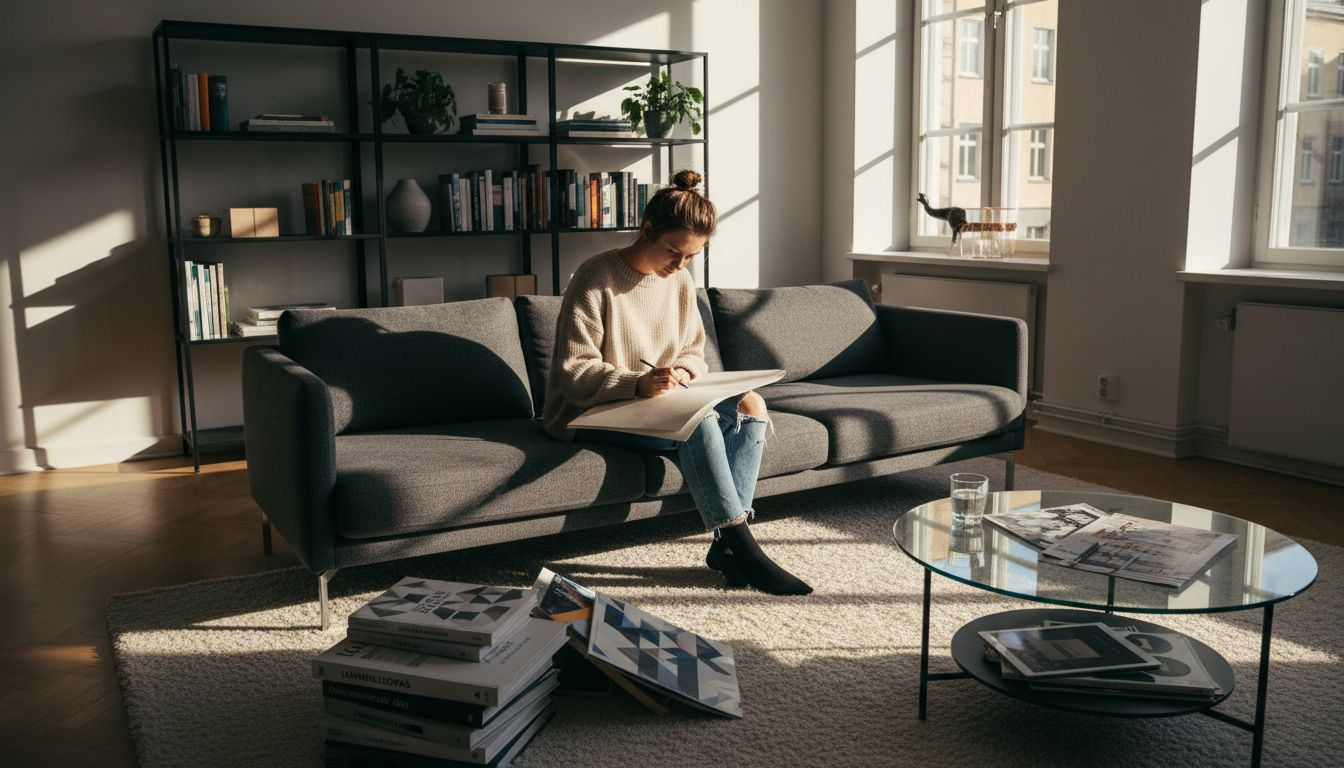
Kulttuurisesti valon ja varjon käsittely vaihtelee huomattavasti. Länsimaissa vallitsee usein ajatus tasaisesta, kirkkaasta valaistuksesta, kun taas japanilaisessa suunnittelutraditiossa varjot nähdään kauneuden ja mystiikan lähteenä. Tilasuunnittelun tutkimukset korostavat, kuinka varjot auttavat meitä hahmottamaan tilan muotoa, syvyyttä ja tekstuuria luoden syvemmän ja monimutkaisemman tilakokemuksen.
Käytännössä valon ja varjon dynamiikka tarkoittaa tietoista suunnittelua, jossa valaistus ei ole vain tekninen ratkaisu vaan kerronnallinen elementti. Arkkitehdit ja sisustussuunnittelijat voivat luoda tiloja, jotka muuttuvat vuorokauden eri aikoina, luoden jatkuvasti vaihtuvia tunnelmia ja visuaalisia narratiiveja. Valon ohjaaminen, kulmien valinta ja pintojen materiaalit muodostuvat työkaluiksi, joilla luodaan tilallisia elämyksiä.
Alla on yhteenveto valon ja varjon kontrastin hyödyistä eri tilasuunnittelun osa-alueilla:
| Osa-alue | Kontrastin vaikutus | Lopputulos |
|---|---|---|
| Tilan syvyys | Luo kolmiulotteisuuden illuusion | Lisää tilan kiinnostavuutta |
| Tunnelman hallinta | Muuttaa tilan psykologista kokemista | Muuntaa käyttäytymistä ja viihtyvyyttä |
| Visuaalinen ohjaus | Suuntaa katseita ja huomioita | Korostaa tärkeimpiä elementtejä |
| Tekstuuri ja muoto | Nostaa esille materiaalien erot | Syventää aistikokemusta |
Ammattilaisvinkki: Käytä erilaisia valonlähteitä ja materiaalpintoja luodaksesi kerroksellinen ja dynaaminen valaistussuunnitelma, joka elää ja hengittää tilan mukana.
Musou Black ja äärimmäisen kontrastin mahdollisuudet
Musou Black on mullistava materiaali, joka haastaa perinteiset käsitykset väristä ja valosta. Materiaalina se pystyy absorboimaan hämmästyttävät 99,4 % näkyvästä valosta, luoden äärimmäisen kontrastin, joka muuttaa täysin sen ympäristön visuaalisen kokemuksen.
Tämä ainutlaatuinen materiaali toimii kuin optinen tyhjiö, joka nielee valon niin täydellisesti, että pinnat näyttävät menettävän kolmiulotteisuutensa. Kun perinteiset mustat pinnat vielä heijastavat jonkin verran valoa, Musou Black tekee täysin päinvastoin – se imee valon niin täydellisesti, että se häivyttää pinnan muodot ja luo illuusion rajattomasta syvyydestä.
Käytännössä Musou Black avaa aivan uudenlaisia mahdollisuuksia taiteilijoille, arkkitehdeille ja sisustussuunnittelijoille. Se muuttaa tilan hahmottamisen logiikkaa, pakottaen katsojan näkemään valon aivan uudella tavalla. Tilat muuttuvat, kun valo ei enää käyttäydy ennustettavasti – se imeytyy, katoaa ja luo uudenlaisia visuaalisia jännitteitä.
Seuraava taulukko vertailee tavallista mustaa ja Musou Blackia käytännön suunnittelussa:
| Ominaisuus | Tavallinen musta | Musou Black |
|---|---|---|
| Valon absorptio | Noin 95 % | Jopa 99,4 % |
| Visuaalinen vaikutus | Syvä, mutta heijasteinen | Lähes optinen tyhjiö |
| Tilan hahmottaminen | Säilyttää muodot | Häivyttää muodot täysin |
| Suunnittelun mahdollisuudet | Klassinen kontrasti | Radikaali konseptuaalinen muutos |
Ammattilaisvinkki: Kokeile Musou Blackia tiloissa, joissa haluat rikkoa perinteiset visuaaliset rajat ja luoda täysin uudenlaisen kokemuksellisen ympäristön.
Käytännön sovelluksia ravintoloihin ja taide-elämyksiin
Ravintolamaailmassa kontrastin käyttö on muutakin kuin pelkkää estetiikkaa – se on kokemus, joka herättää asiakkaiden aistit. Kun tummat, äärimmäisen mustat pinnat luovat tilan syvyyttä, ne pakottavat asiakkaat havaitsemaan ympäristönsä täysin uudella tavalla. Taide-elämyksissä valon ja varjon hyödyntäminen on keskeistä syvyyden ja immersiivisyyden luomisessa, ja sama pätee ravintoloiden tunnelmointiin.
Käytännössä musta voi toimia sekä taustaelementtinä että aktiivisena osana tilallista kokemusta. Esimerkiksi näyttelytilassa tai ravintolan sisustuksessa musta pinta voi häivyttää rajat, luoda optisia illuusioita ja ohjata katsojan katsetta aivan uudella tavalla. Se ei ole vain väri, vaan aktiivinen työkalu, joka muokkaa tilan hahmottamista ja tunnelmaa.
Modernit ravintolat ja näyttelytilat käyttävät yhä enemmän kontrastia luodakseen muistettavia kokemuksia. Musou Black tai vastaavat äärimmäisen mustat pinnat voivat muuttaa tilan täysin – ne voivat toimia näyttämönä, jossa valo ja varjo tanssivat keskenään, luoden jatkuvasti muuttuvia visuaalisia narratiiveja. Tämä tarkoittaa sitä, että tila ei ole enää staattinen, vaan jatkuvasti elävä ja muuntuva kokemus.
Ammattilaisvinkki: Käytä mustia pintoja harkitusti – älä peitä koko tilaa, vaan luo strategisia kontrastin paikkoja, jotka ohjaavat asiakkaan katsetta ja kokemusta.
Yleiset virheet mustan käytössä ja niiden välttäminen
Mustan käyttö tilasuunnittelussa on kuin taiteilijan sivellin – se vaatii tarkkaa harkintaa ja ymmärrystä. Yleisimpiä virheitä ovat liian suuret tai pienet mustat alueet, jotka voivat tehdä tilasta ahtaan tai synkän. Suunnittelijat usein aliarvioivat mustan värin psykologista vaikutusta – se ei ole vain väri, vaan tunnelman luoja, joka voi muuttaa tilan kokemuksen täysin.
Tärkeintä on ymmärtää, että musta ei tarkoita pelkkää pimeyttä. Valaistuksen ja mustan tasapaino on kriittinen elementti. Kun mustaa käytetään ilman huolellista valosuunnittelua, tila voi muuttua raskaaksi ja ahdistavaksi. Musou Black tai vastaavat äärimmäisen mustat pinnat vaativat erityisen tarkkaa valaistuksen suunnittelua, jotta ne luovat syvyyttä eivätkä tuki tilan energiaa.
Hyvä tilasuunnittelu yhdistää mustan muiden värien ja valon kanssa luodakseen tasapainoisen kokonaisuuden. Tämä tarkoittaa eri mustan sävyjen käyttöä, valon suuntaamista strategisesti ja kontrastin hallittua hyödyntämistä. Musta ei ole este valolle, vaan sen korostaja – oikein käytettynä se voi synnyttää täysin uudenlaisia tilallisia elämyksiä.
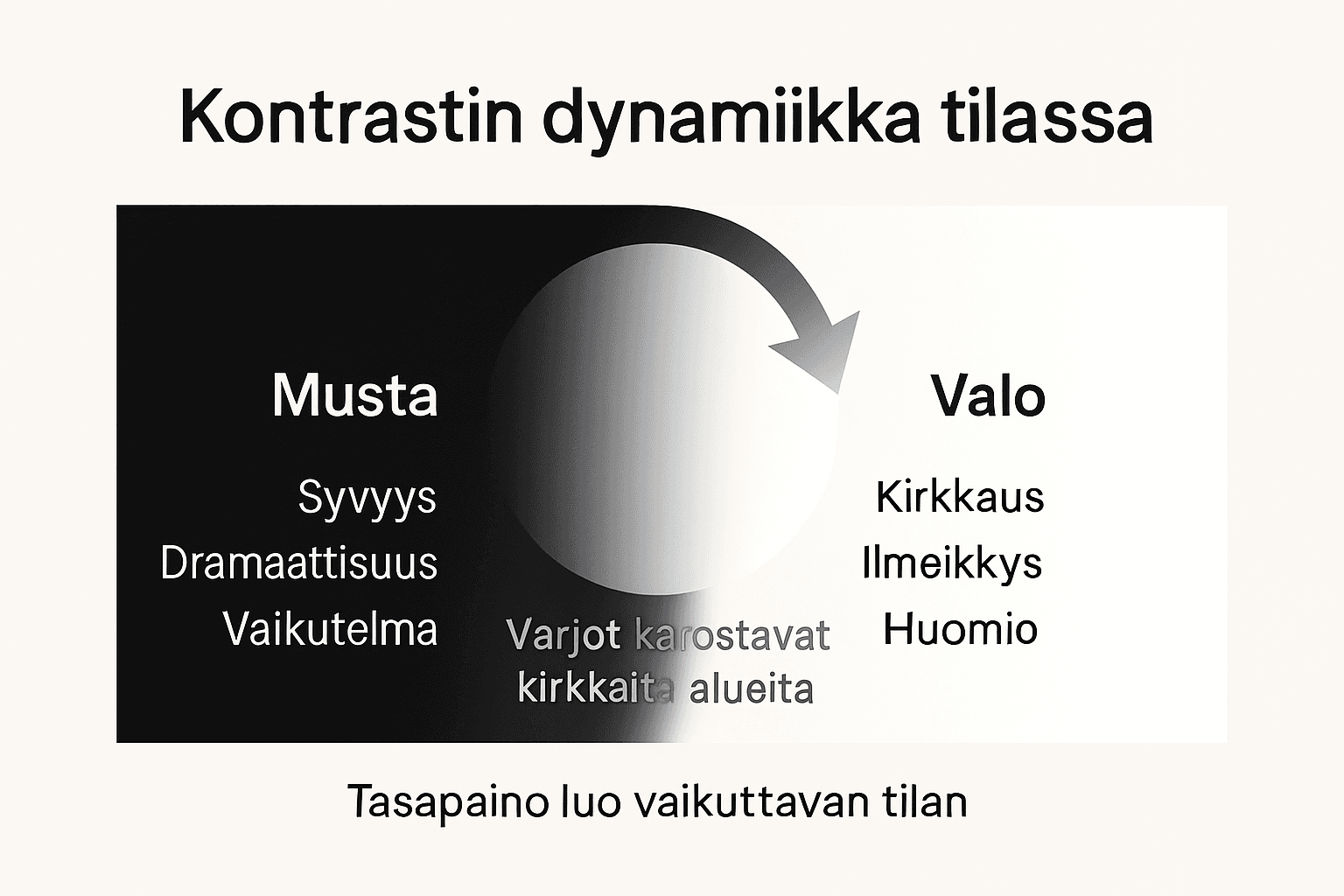
Ammattilaisvinkki: Käytä mustaa kuin sävyä sävyssä – pienet, harkitut alueet toimivat paremmin kuin täysin mustat seinät.
Musou Black auttaa tekemään valosta tilan tähti
Onko tavoitteesi luoda tilaan syvyys ja dramaattinen valon ja varjon kontrasti Mustan valonvahvistavan vaikutuksen hyödyntäminen voi kuitenkin olla haastavaa ilman oikeita materiaaleja ja työkaluja Musou Blackin avulla voit imuroida jopa 99 4 % näkyvästä valosta ja muuttaa valon käyttäytymisen täysin
Tutustu valaisimet -valikoimaamme ja ota askel kohti visuaalisesti vaikuttavaa ja syvyyttä luovaa tilasuunnittelua
Älä anna perinteisen mustan rajoittaa luovuuttasi vaan valitse Dekoja netin huippulaadukkaat materiaaliratkaisut jotka auttavat sinua tekemään valosta suunnittelun keskipisteen Vieraile osoitteessa Dekoja.net ja anna ammattilaisten auttaa sinua luomaan tila joka jää elävästi mieleen
Usein kysytyt kysymykset
Miksi musta väri korostaa valoa?
Musta väri toimii valon vahvistajana, sillä se imee lähes kaiken näkyvän valon ja luo syvyyttä ja dramatiikkaa. Tämä kontrasti pakottaa katsojan huomion suuntautumaan valon liikkeisiin ja intensiteettiin.
Miten voin hyödyntää mustaa pintaa sisustussuunnittelussa?
Musta pinta voi luoda dramatiikkaa ja valon ja varjon vuoropuhelua. Käytä mustaa harkitusti tiloissa, joissa haluat korostaa visuaalista kerrontaa ja luoda mielenkiintoisia tunnelmia.
Mikä on Musou Black ja miten se eroaa tavallisesta mustasta?
Musou Black on materiaali, joka pystyy absorboimaan jopa 99,4 % näkyvästä valosta, mikä luo äärimmäisiä kontrasteja. Se häivyttää pinnan muodot, kun taas tavallinen musta säilyttää jonkin verran heijastusta.
Mitkä ovat yleisimpiä virheitä mustan käytössä tilasuunnittelussa?
Yleisimpiä virheitä ovat liian suurten tai pienten mustien alueiden käyttö, mikä voi tehdä tilasta ahtaan tai synkän. On tärkeää tasapainottaa musta valon kanssa ja käyttää sitä harkiten, jotta tila ei muutu raskaaksi.