

7 smart interior design ideas for restaurant spaces and design
The atmosphere and functionality of a restaurant are built on many details that should be considered already during the design phase. Combining lighting, surfaces and material choices can seem challenging when you want to create a comfortable and unique customer experience. Even small choices, such as non-reflective surfaces or the use of effect surfaces, directly affect how customers experience your space and how staff are able to work smoothly.
This list offers you concrete solutions to help you control light, create atmosphere and improve practicality in your restaurant space. You will find easy-to-apply tips whose effectiveness is based not only on visual impact but also on functionality.
From inspiring effect surfaces to clever combinations of lighting and shadow, you’ll discover how each choice can take your restaurant to a whole new level. As you read on, you’ll discover that details really matter – and you’ll learn how to make the most of them.
Table of contents
- 1. Use contrasting colors to emphasize the depth of space
- 2. Non-reflective surfaces for light control
- 3. Effect surfaces as mood enhancers
- 4. Intelligent combination of lighting and shadow
- 5. Modular interior elements for flexibility
- 6. Digital solutions for finishing the visual look
- 7. Sustainable material choices for durability
Quick Summary
| Key message | Explanation |
|---|---|
| 1. Use contrasting colors | Contrasting paints create a sense of depth and visual tension in spaces. |
| 2. Choose non-reflective surfaces | They reduce glare and improve lighting control. |
| 3. Utilize effect surfaces | Effect surfaces create diverse atmospheres and visual interest. |
| 4. Balance lighting and shadow | The right combination creates interesting and inviting environments for customers. |
| 5. Use modular elements | Modularity increases the flexibility of the space and its use for different events. |
1. Use contrasting colors to emphasize the depth of space
Contrasting colors are a restaurant design secret that few people fully exploit. By using two colors with a significant visual difference, you can create a sense of depth that plain surfaces can never achieve.
Why is contrast so effective? When a viewer enters a restaurant, their eyes are drawn to change and difference. A flat, gray wall is invisible. It blends in with its surroundings. But when you place a dark surface against a light one, visual tension is created. Depth is created in a different way than through traditional perspective. It is a result of how our brains interpret light and shadow.
Emphasizing visual contrast essentially means choosing materials from your own extreme selection. For example, you can paint the background wall very black, with an almost light-absorbing surface, and choose a bright white or pastel for the opposite wall. This creates a phenomenon where the eye gets stuck and the space feels more intricately organized than it actually is.
In practice, contrasting colors change the restaurant experience in three ways. First, they change the feel of the space. The customer is not sitting in a neutral lounge bar, but rather experiences a restored, thoughtfully designed environment. Second, they make the space memorable. When people return to the restaurant, they remember this dramatic sense of depth before they remember the food. Third, they make the space look more expensive without significantly increasing costs.
Always choose a contrast that fits your restaurant concept. For a food restaurant, a warm contrast often works, where dark frames light and warmth. For a cocktail bar, deep black and silver can create a mysterious, sophisticated atmosphere. For cafes, a lighter contrast, where dark accents break up a white or beige surface, gives a clean and modern impression.
Regardless of your color choices, remember to keep proportions in mind. If you're using black as an accent, don't cover the entire wall with it. Use it strategically. One-third of the wall in black could be enough to create the desired sense of depth. The rest is left as a more muted background, giving the black room to breathe.
Pro tip: Test contrasting paints on a small area first before trying them on the entire wall. Take photos at different times of the day to see how lighting affects the impression of depth in your restaurant.
2. Non-reflective surfaces for light control
Non-reflective surfaces are the foundation of light control in restaurants. They don't just absorb light, they give you complete control over how the light behaves in your space.
Why is this so important? When light hits a regular surface, it bounces back. These reflections create glare, unpleasant shadows and uneven lighting. Customers sit uncomfortably. Staff have poor vision. The atmosphere you want to create suffers. Non-reflective surfaces eliminate this problem. The light is absorbed into the surface, allowing you to create the desired atmosphere without disturbing reflections.
Light control in interior design enables better customer comfort and improved working conditions for staff. When you choose a non-reflective surface, you decide what happens. Light doesn't play against you. It does what you want.
In practice, non-reflective surfaces solve many restaurant design challenges at once. First, they reduce glare, which is especially critical for restaurants that open in the evening or that use bright accent lighting to illuminate food. The customer can enjoy their evening without their eyes getting tired. Second, they create a pleasant and balanced light level that feels natural. Third, they allow for more creative design solutions. You can use strong lighting to create dramatic effects without fear of glare.
Choose the color of your non-reflective surface strategically. Black, as it absorbs almost all light, is suitable for spaces where you want to create a mysterious or dramatic atmosphere. Dark grays are suitable for more modern restaurants where some flexibility is maintained. Studies show that dark, non-reflective surfaces reduce the perceived confusion of shadows and allow for better lighting control in all situations.
Any relay or accent surface should be painted with a non-reflective finish. Backsplashes with lighting will especially benefit. Ceilings can also be non-reflective if you want more drama and depth. However, consider practicality. Surfaces near the kitchen tend to collect dirt, so non-reflective surfaces will be difficult to clean. Protect them or choose an easy-to-clean finish for them as well.
Combine non-reflective surfaces with bright surfaces. This contrast is what makes the design stand out. A black wall against a white window makes the window look brilliant. A gray ceiling against a bright white wall creates depth without making the space feel dark.
Pro Tip: Start with a smaller test area before painting the entire wall. Different non-reflective surfaces have slightly different textures and light properties, so testing will help you choose the most suitable option for your restaurant lighting plan.
3. Effect surfaces as mood enhancers
Effect surfaces are a decorator's secret weapon for creating atmosphere. They are not only beautiful, but they physically change the way your restaurant feels and looks.
Why do effect surfaces work so well? The human eye and brain respond to textures and surface finishes on a deeper level than color. When you choose a velvet-like surface, it looks warm and inviting. A metallic surface, on the other hand, creates a modern, sophisticated atmosphere. Shiny surfaces reflect light and make the space more dynamic. Using different materials supports your brand identity and improves the overall impression of the space.
The power of effect surfaces lies in their ability to tell a story. A restaurant that wants to appear classic and luxurious will choose smooth, shiny or velvet-like surfaces. A modern casual restaurant, on the other hand, will benefit from rougher, broken textures. A rusty industrial-style restaurant will use metallic and matte surfaces. Each choice reinforces who you are and what you want your customers to feel.
In practice, effect surfaces fall into four main categories in restaurant spaces. The first is velvety surfaces , which absorb light and create a rich, deep feel. They are often used on background walls or accent surfaces where you want to create an intimate atmosphere. The second is metallic surfaces , which reflect and create energy in the space. They are especially suitable for modern restaurants and bars where you want a sense of community and sophistication. The third is glossy surfaces , which make the space feel brighter and more open. They are good for smaller spaces or those where you want maximum light reflection. The fourth is rougher, structured surfaces , which create texture and shadows, which creates interest and depth.
The effect surface you choose depends on three factors. The first is your restaurant’s concept and brand value. What do you want to say to your customers? The second is lighting. Glossy surfaces require controlled lighting to avoid glare. The third is practicality. Velvet surfaces collect dirt and are more difficult to clean. Metallic surfaces, on the other hand, show every fingerprint.
The best thing about effect surfaces is that they divide a space into different areas without having to build walls. You can use velvet for an intimate bar corner and metal for a more open, high-traffic area. The customer experiences a line between two different moods, making the space memorable and more diverse.
Combine effect surfaces with the rest of the design. A shiny accent on top of a black, non-reflective background can have a completely different effect than one alone. Lighting changes everything. Warm lighting makes a velvet surface feel luxurious. Cold lighting makes metal look futuristic.
Pro Tip: Test effect surfaces first on samples in the right lighting in your restaurant. Different times of day and different lighting settings can dramatically change how a surface affects a space, so seeing it in the right context is critical before full-scale implementation.
4. Intelligent combination of lighting and shadow
Lighting and shadow are not opposing forces in a restaurant. They are dancers, properly directed, creating the perfect atmosphere. Smart integration means understanding how these two elements work together.
Why is this so important? Too much light makes a space feel cluttered and tiring. Too much shadow makes a space feel oppressive and dangerous. The right balance creates harmony. It makes the customer feel welcome, safe and comfortable. Shadows create depth and interest. Light makes a space feel alive. Together, they tell a story.
Dynamic lighting control for different situations is a modern way to manage this balance. Lighting can be adjusted depending on the time of day, season or event. Lunch requires bright, energetic light. Dinner, on the other hand, requires a softer, dimmer atmosphere. Modern AV solutions make this possible without you having to physically change anything.
But before you get into the technology, understand the basic principles. A shadow is created whenever light hits an object. You can use this intentionally. If you want to create a sense of depth on a particular wall, position the lighting so that it casts shadows at specific angles. These shadows make the wall appear more three-dimensional. This is especially effective with non-reflective surfaces, where the shadows appear sharper.
In practice, smart connectivity occurs at three levels. The first level is the general lighting you set for the space. This should be sufficient for customers to see their food and navigate the space safely. The second level is accent lighting, which highlights specific areas or objects. The third level is shadow management. Where do you want shadows? Where do you want light? These decisions shape the entire space.
Zoning is one of the most effective strategies. You can lock your restaurant into different zones that require different lighting. The bar area can be dim and dramatic, with accent lighting to highlight the bar and the food. The food area can be brighter so that customers can see their food well. The transition areas between these use intermediate lighting, which makes the transition smooth and not harsh.
Shadows are not something to be afraid of. A mistake many designers make is trying to eliminate all shadows and make a space completely evenly lit. This makes the space feel tired and uncomfortable. Shadows create interest. They make a space feel mysterious and more inviting. These, with strategically placed shadows and light, feel expensive and thoughtfully designed.
Combine non-reflective surfaces with the right lighting and you can achieve a great result. A black wall lit from the side creates a deep shadow that makes a space appear larger than it is. Bright walls in the same lighting, on the other hand, reflect light and make the space more inviting and open.
Pro tip: Start by planning your lighting at different times of the day and compare the results. Natural light in the morning, bright sunlight at noon, and artificial lights at dinner will all create completely different shadows and moods in the same space. This will help you understand how and when to adjust your lighting best.
5. Modular interior elements for flexibility
Modular interior design elements are the future of restaurants. They give you the ability to transform a space quickly, without expensive renovations or permanent structures.
Why is modularity so important? The restaurant business is dynamic. The number of customers varies daily and seasonally. Events come and go. You might have a small dinner party on Tuesday and a large cocktail party on Saturday night. Fixed, permanent interior design elements limit you. They make the space rigid. Modular solutions, on the other hand, give you the freedom to adapt the space to your needs.
Flexibility and modular furniture allow you to quickly adapt spaces to meet customer demand or events, improving space usability and business efficiency. When you can transform a space in minutes or hours, you can serve more customers and create more experiences in the same space.
What does modular interior design mean in practice? It means choosing pieces that can be combined in different ways. Wall panels that can be rearranged. Lighting that can be moved or rearranged. Accent elements that can be attached or removed without permanent damage. It also means keeping a stock of these pieces so you can quickly change the space.
In practical applications, modular elements fall into three categories. The first is wall and surface modularity . You can use loose panels that can be attached and removed. Black, non-reflective panels can be brought up for dramatic events and removed for a normal dinner. The second is furniture and spatial elements . Wall units that can be moved make the space more flexible. The third is lighting and accents . Portable lighting units that can be moved make lighting design much more flexible.
Modularity doesn’t mean that the space becomes disorganized or shabby. Quite the opposite. A well-designed modular system should look just as neat as a fixed design, but give you internal flexibility. The whole secret is to maintain consistency in the color, texture, and material palette, even when the system changes.
For example, a modern restaurant might have a base color that is a deep black. The modular elements can all be painted the same black, so even if the arrangement changes, the color remains consistent. Selected metallic accent colors or concrete structures are used in different modules. The same color temperature is used for lighting throughout. This way, the space becomes modular without feeling disorganized.
Modular elements also benefit sustainability. When you can change a space without renovating, you reduce waste. Old elements can be kept and reused. This is better for the environment and better for your business. You can invest in quality design that will last, knowing that it can be reused later.
Pro Tip: When designing modular elements, document each module with photos and measurements. This will help you remember how they fit together and how they are used for different events. Also, create a consistent naming system so team members can quickly understand which parts go where.
6. Digital solutions for finishing the visual look
Digital solutions are not the future in the restaurant space. They are the present. Smart displays, remote control and integrated systems give you control you never thought possible.
Why is digitalization changing restaurant design? Because it separates static from dynamic. Traditionally, painted walls and interior elements remained the same for months or years. Digital solutions give you the ability to change the visual look daily, hourly or minute by minute. This means you can adapt to trends, events and customer preferences in real time.
Digital displays and smart solutions can be controlled remotely and are used to update the look of a space quickly and efficiently. When you don't need a physical renovation to make the change, you can create a completely new atmosphere without unnecessary investigation.
In practice, digital solutions in restaurants fall into three main categories. The first is digital lighting and audiovisual technology . Intelligent lighting systems that can be programmed for different colors, intensities, and patterns. These can be synchronized with music or set to work automatically at different times of the day. The second is digital displays and projections . Walls can display dynamically changing images or brand imagery. The third is integrated management systems . A single app or interface controls everything from lighting to kitchen systems.
What does this mean in a real restaurant environment? Let’s say your restaurant is open from lunch until dinner. During the day, the lighting is bright and energetic, the colors are bright, and the atmosphere is lively. In the evening, the lighting dims, the colors become warmer, and the atmosphere becomes intimate. You can program these changes in advance, so they happen automatically without you having to do anything. On a weekend night, when there’s an event, you can have a completely different look. Different colors, different lighting, different patterns. Click a button, and your restaurant is completely transformed.
Digital solutions also support brand consistency. If you have multiple restaurants or want to keep your look consistent, you can synchronize all digital elements. All restaurants will look the same at the same time, even if they are in different cities. Or you can create local variations while maintaining the basic brand look.
Combine digital solutions with physical materials for the best results. A black, non-reflective wall changes completely differently under digital light or projection than it does under regular lighting. Digital elements allow you to use the same physical space in many different ways. This is the essence of efficiency.
One important note. When choosing digital solutions, make sure they are user-friendly. A complex system that cannot be controlled intuitively will be a problem. Choose solutions that can be controlled with a simple app or user interface. This way, the entire team can use them without extensive training.
Pro tip: Start small. Choose one digital solution, like smart lighting, and gain experience before adding projections or other elements. This way you can understand how digital works in your restaurant without taking on too much risk at once.
7. Sustainable material choices for durability
Sustainable material choices aren't just about looking good. They're about materials that maintain their appearance and function over months and years, saving you money and stress in the process.
Why is this so critical in restaurant design? A restaurant is an environment of constant use. People, dirt, moisture and food. Materials are exposed to harsh conditions. If you choose materials that require constant cleaning or that change color quickly, you will use expensive resources for maintenance. Sustainable material choices support the entire restaurant business in the long term, reducing waste and improving resource management.
What does maintainable materials mean in practice? It means materials that can withstand stress. Surfaces that are not sensitive to water, grease or chemicals. Colors that do not fade from UV exposure or regular cleaning. Structures that do not peel or chip easily. These materials are more expensive in the process up front, but save surprises in the long run.
There are three main categories of materials to maintain in restaurant spaces. The first is floors and water environments . These must be hygienic, waterproof and easy to clean. Hygienic and HACCP certified materials ensure a safe environment and reduce maintenance costs. The second is walls and coatings . These must be easy to clean and withstand the elements. The third is interior design and furniture . These can be expensive to replace, so choose materials that can withstand daily use.
Black, non-reflective paint is a perfect example of a sustainable material choice for restaurants. It doesn’t show dirt as easily as bright colors. It won’t peel, chip, or fade over time. It requires basic maintenance, but it will stay looking good for years. Similarly, metal surfaces, when chosen correctly, can withstand the rigors of the job without corroding.
In practice, this means that you should think about the future, not just the present. You choose a flooring material, think about how it will look after six months of daily use. You choose a wall, think about how easy it will be to clean. These decisions make a difference.
Sustainable materials also support sustainability. When materials last longer, you don’t have to replace them as often. This means less waste, less resource consumption and a lower environmental impact. It becomes a win-win for everyone.
Combine maintainable materials with smart choices. A black, non-reflective wall won’t need to be repainted as often as a bright wall. A metallic coating worn off in one spot won’t show as easily. Hygienic flooring materials won’t harbor bacteria. These choices will make your restaurant cheaper and safer to maintain.
Professional advice Ask material manufacturers for durability test reports and warranties before purchasing. Knowing how long your materials will last will help you make the right decisions and plan your future budget more accurately.
[Below is a table that presents the main restaurant interior design strategies discussed in the article and their effects.]
| Strategy | Description | Effects |
|---|---|---|
| Contrast paints | Use dark and light tones to emphasize the depth and visual tension of the space. | Creates the impression of depth, improves the versatility of the space and makes it memorable for the customer. |
| Non-reflective surfaces | Favor surfaces that absorb light, reducing glare and uncomfortable shadows. | Improves customer experience and lighting control. |
| Effect surfaces | Choose materials like velvet and metals to support your brand identity. | Adds visual interest and atmosphere to the space. |
| Modular interior design elements | Design solution packages that can be easily modified and moved. | Allows you to adapt the space to varying needs. |
| Digital solutions | Utilize smart lighting, displays, and systems to complete the visual look. | Increase flexibility and modernize the look and functions of the space. |
| Maintainable materials | Choose durable and easy-to-care for materials that maintain their appearance and functionality. | Reduces maintenance costs and supports sustainable development. |
Take your restaurant's visual look to the next level with Musou Black and Dekoja.net
In restaurant spaces, visual contrast and non-reflective surfaces are key to creating an authentic atmosphere and memorable customer experiences. If you dream of a space where light is perfectly controlled and depth is created dramatically, Musou Black paint offers an exceptional solution. It allows you to go beyond the usual matte surfaces and create a space where the play of light and shadow captures the eye and brings out the best in the interior.
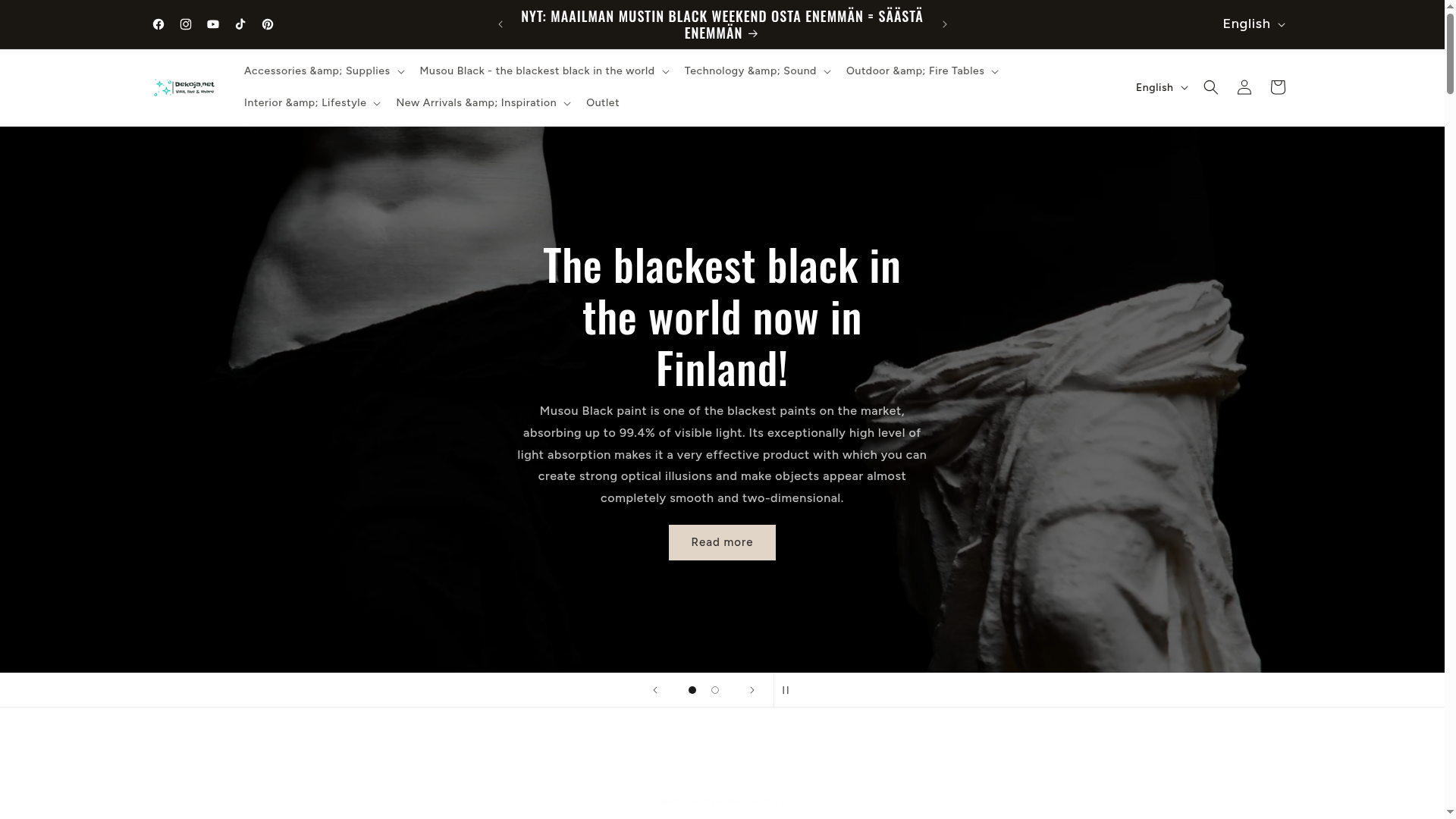
Discover Dekoja.net's comprehensive selection, combining aesthetics and technology. You will find non-reflective walls , effect paints and lighting-compatible interior design elements that support the smart interior design ideas for restaurants presented in the article. Give your space new depth and versatility by acquiring our expertise in both interior design and lighting through our Lightning category. We offer both creative freedom and technical quality directly from the Dekoja.net online store. Act now and make your restaurant a place that will be remembered by customers thanks to its unique atmosphere.
Frequently Asked Questions
How can I use contrasting colors in my restaurant interior design?
Contrasting colors create a sense of depth and make a space more inviting. Choose dark colors to counterbalance light tones, for example, by combining a black background with a white or pastel color.
What are the benefits of non-reflective surfaces in a restaurant?
Non-reflective surfaces reduce glare and create balanced lighting. For example, choose dark, non-reflective surfaces in places where you want to create an intimate atmosphere, such as bar areas.
How can I choose effect surfaces for my restaurant design?
Choose effect surfaces that support the concept and atmosphere of your restaurant. Use different materials, such as velvet, metal or shiny surfaces, to communicate the desired atmosphere, such as luxury or modernity.
How do I combine light and shadow effectively in my restaurant?
Combine light and shadow by balancing lighting and planning the placement of shadows in the space. Adjust the lighting for different times of the day to create the desired mood, such as a bright lunch atmosphere or a softer dinner.
What are the benefits of modular interior design elements in my restaurant?
Modular interior design elements allow you to quickly modify the space without major renovations. You can choose from a variety of furniture and surface elements that can be combined in many different ways, increasing the flexibility of the space depending on the number of customers.
How can digital solutions improve restaurant interior design?
Digital solutions such as smart lighting systems and digital displays offer the opportunity to quickly change the look of your restaurant. Take advantage of these solutions by adjusting the lighting or displaying different content according to events and customer preferences.
Recommendation
- Introducing design elements into restaurant space planning – Dekoja.net
- Introducing design elements into restaurant space planning – Dekoja.net
- Introducing design elements into restaurant space planning – Dekoja.net
- Introducing design elements into restaurant space planning – Dekoja.net
- 16 Designklapar Att Drömma Om Till Köket: Inspiring & Unique Tips | Stiligt