

Lighting Design – How It Defines the Spatial Experience
Many interior designers know how crucial the right lighting is in creating an atmosphere and experience in restaurants and cultural spaces. Lighting directly affects the human experience and the intended use of the space, as lighting design is much more than just the placement of lamps . When materials, colors and different forms of light are combined, the space takes on a new dimension and a strong identity that speaks to visitors and supports the values of the space.
Table of contents
- What lighting design means and why it affects the spatial experience
- Lighting types, technologies and unique material choices
- The role of lighting in atmosphere, operation and brand
- Energy efficiency, responsibility and compliance with standards
- Common mistakes and how to avoid them in interior design projects
Key findings
| Paragraph | Detail |
|---|---|
| Lighting design is key | Lighting has a significant impact on the atmosphere and people's experiences in a space. When done correctly, it can completely change the character of a space. |
| Lighting types determine the intended use | Different types of lighting, such as general lighting and task lighting, serve different needs and affect the functionality of the space. |
| Energy efficiency is a priority | Energy efficiency and intelligence are important in modern design. LED technology and intelligent systems improve the use of lighting. |
| The most common mistakes affect the experience | There are many pitfalls in lighting, such as excessive light and incorrect color temperatures, that can be avoided with careful planning. |
What lighting design means and why it affects the spatial experience
Lighting design is much more than just the placement of lights in a space. It is a multi-level art form that directly determines a person's experience of their environment. Lighting design is about creating a spatial atmosphere through the quantity, quality and placement of light.
The lighting of a space directly affects the psychological and emotional experience of a person. When done correctly, lighting can completely change the character of a space - the same space can appear dramatic, warm or even mystical simply by changing the lighting. Light is not just a tool for seeing, but a key part of building the atmosphere of a space.
Several key elements must be considered in lighting design:
- Light intensity and brightness
- Color temperature and spectrum
- Lighting placement
- Reflections created by the materials in the space
- The interaction of shadows and light
- Functional needs
These elements together create a holistic spatial experience that directly affects a person's alertness, mood, and ability to function. Light is a visual language that communicates the nature and purpose of a space without words.
Pro tip: Don't think of lighting as just lamps, but as a spatial element that shapes the human experience holistically.
Lighting types, technologies and unique material choices
The world of lighting consists of a wide variety of technologies and approaches that can be used to create completely different spatial experiences. Lighting types vary depending on the purpose of the space and can be creatively combined to meet different needs.
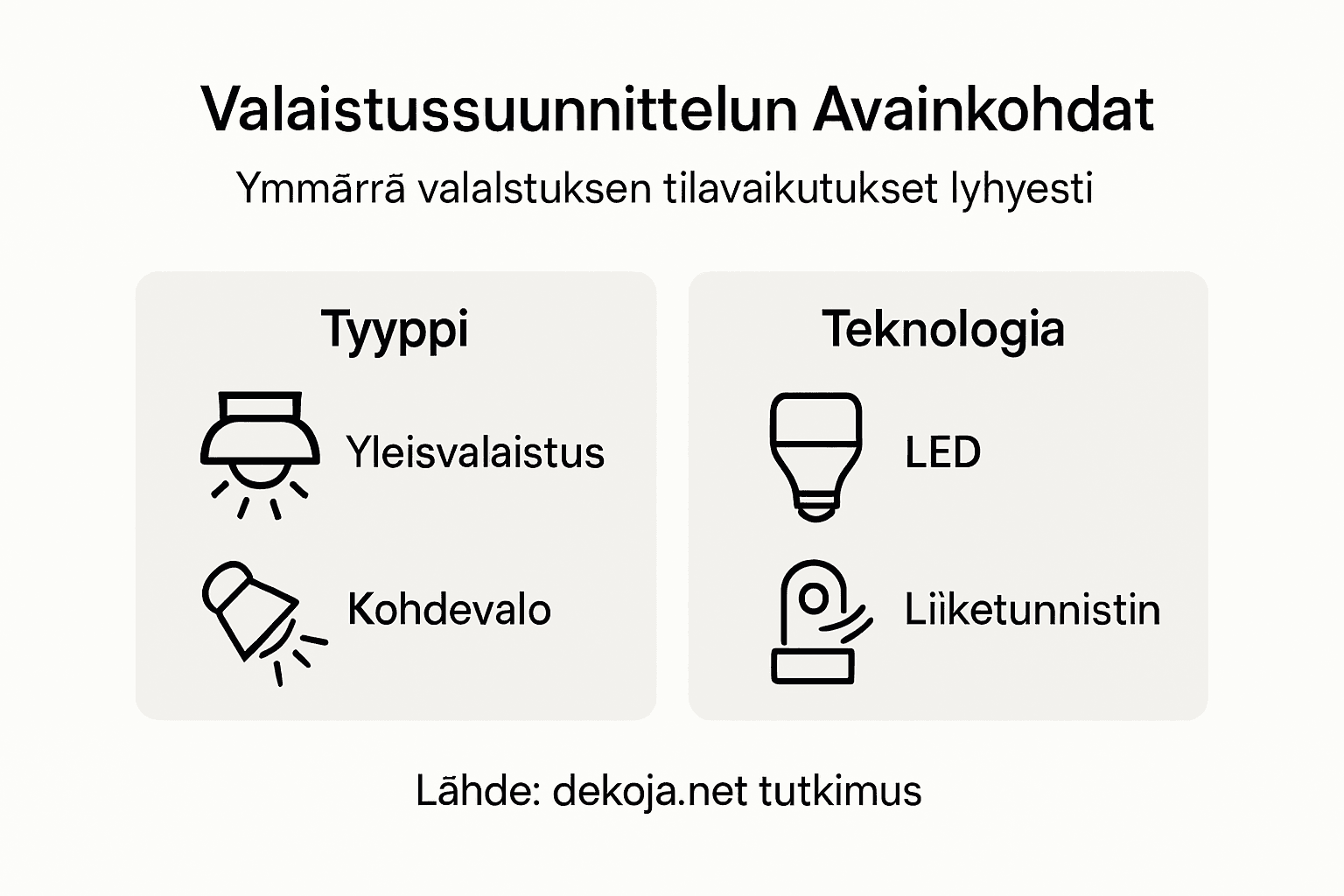
Different forms of lighting can be divided into main categories, each with its own functional significance:
Below we compare different types of lighting based on their typical uses and effects:
| Lighting type | Applications | Impact on the space |
|---|---|---|
| General lighting | Living rooms, offices | Creates uniform basic lighting |
| Spotlight | Boards, work areas | Emphasizes details |
| Indirect lighting | Bedrooms, lobbies | Softens the atmosphere |
| Functional lighting | Kitchens, workstations | Makes it easier to complete tasks |
- General lighting : Even lighting throughout the space
- Spotlighting : Highlighting specific areas or details
- Indirect lighting : Reflecting light from surfaces to create a soft ambiance
- Task lighting : Lighting directed directly at work or activity areas
Future lighting technologies will place particular emphasis on energy efficiency and intelligence. LED technology is already the dominant solution, but new materials and control systems will bring even more intelligent lighting solutions. Modern lighting design tools, such as DIALux software, enable accurate light distribution simulation already in the design phase.
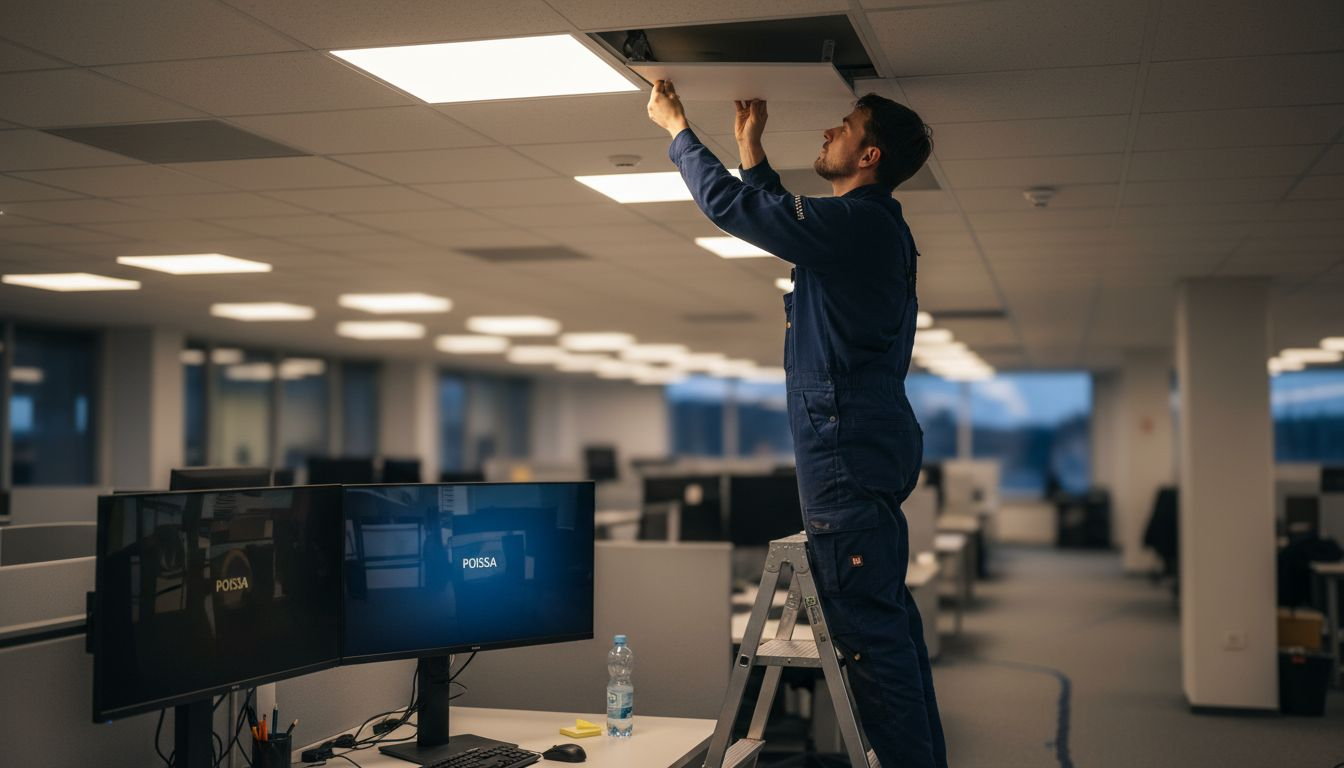
Pro tip: Don't choose lighting based solely on appearance, always consider the purpose and atmosphere of the space.
The role of lighting in atmosphere, operation and brand
Lighting is much more than just a functional element - it is the psychological backbone of a space, directly shaping people's experience and behavior. When implemented correctly, lighting can completely transform a space, creating an atmosphere that evokes emotions and guides the senses.
The diverse roles of lighting can be divided into three main categories:
- Mood role : The color, intensity, and direction of light create an immediate emotional connection to a space
- Functional role : Lighting supports the purpose of the space and facilitates various activities
- Brand role : Light visually communicates the company's values and identity
Modern lighting design is no longer just about placing lights, but about strategically building a spatial experience. Lighting control systems enable the creation of dynamic atmospheres, where the same space can completely transform in different situations - from a calm work environment to an energetic stage for an evening party.
Pro tip: Think of lighting as a holistic storyteller that shapes the experience of a space in every moment.
Energy efficiency, responsibility and compliance with standards
Energy-efficient lighting design is at the heart of modern spatial design. It does not just mean minimizing energy consumption, but a holistic approach that takes into account environmental impacts, user comfort and economy.
Key elements for lighting energy efficiency include:
- LED technology : Significantly more energy efficient than traditional light sources
- Intelligent lighting control : Automatic systems that adjust light according to need
- Daylighting : Maximizing the use of natural light
- Optimal placement of luminaires : Efficient distribution of light in the space
Compliance with standards, such as SFS-EN 12464-1, is not just a technical requirement but responsible design. Energy efficiency in practice means smart solutions that minimize energy consumption while maximizing the quality of the user experience.
Pro tip: Think of lighting as an investment, not an expense - in the long run, energy-efficient solutions will pay for themselves many times over.
Common mistakes and how to avoid them in interior design projects
Similar mistakes are often made in lighting design that can ruin the overall atmosphere and functionality of the space. Identifying and preventing these mistakes is key to a successful interior design project.
The most common lighting design pitfalls can be divided into the following categories:
The following table presents the most common lighting design errors, their consequences and corrective measures:
| Error | Impact on the space | Corrective action |
|---|---|---|
| Too much lighting | Eye strain, discomfort | Adjust the light intensity or dim it |
| Inappropriate color temperatures | Disjointed atmosphere | Choose a consistent tone range |
| Using one type of light | The space remains one-sided. | Combine different lighting types |
| Inflexibility of lighting | A state that does not respond to changes | Install adjustable solutions |
- Amount of light : Too much or too little light
- Light direction : Incorrect light alignment
- Color temperature : Inappropriate or inconsistent light tone
- Lack of layering : Using one type of light
- Limited adjustability : Inflexible lighting solution
A significant part of avoiding these mistakes is comprehensive design , which takes into account the purpose of the space, the atmosphere and the needs of the users from the very beginning. In practice, this means carefully analyzing the intensity, direction and colors of light before making final choices.
Pro tip: Always test your lighting solution on a smaller scale first and make any necessary adjustments before final implementation.
Create Lighting That Evokes Emotions In Your Space
The right lighting design is key to perfectly combining the atmosphere and functionality of a space. If you want to enhance the spatial experience and utilize the diverse roles of lighting, such as ambiance, functionality and brand expression, you will find the necessary solutions from us. Discover our wide range of lighting fixtures , which allow you to precisely control the amount, direction and tone of light.
At Dekoja.net, we offer innovative materials, such as the world-famous Musou Black, which dramatically enhances lighting contrasts and depth. Experience the magic of visual contrast and make your space unique by utilizing energy-efficient and smart lighting solutions. Don't let common lighting mistakes ruin your project, ask for help already at the design stage. For more inspiration and to start the transformation, visit Dekoja.net and let the lighting in your space speak for itself.
Frequently Asked Questions
What is lighting design and its importance?
Lighting design means optimizing the quantity, quality, and placement of light in a space, and it directly affects the human experience and mood in the environment.
How do different types of lighting affect the spatial experience?
Different types of lighting, such as general lighting, task lighting, and indirect lighting, create different moods and drive the functionality of a space, which affects how people experience the space.
Why is energy efficiency important in lighting design?
Energy efficiency minimizes energy consumption, utilizes natural light effectively, and reduces environmental impacts, making lighting economical and ecological.
What are common mistakes in lighting design and how can they be avoided?
The most common mistakes, such as too much lighting and using inappropriate color temperatures, can be avoided by careful planning and testing lighting solutions on a smaller scale.
Recommendation
- Emphasizing lighting in interior design: Create an impressive result – Dekoja.net
- Emphasizing lighting in interior design: Create an impressive result – Dekoja.net
- Emphasizing lighting in interior design: Create an impressive result – Dekoja.net
- Emphasizing lighting in interior design: Create an impressive result – Dekoja.net
- Architecture Feasibility Study | 3D City Planner